
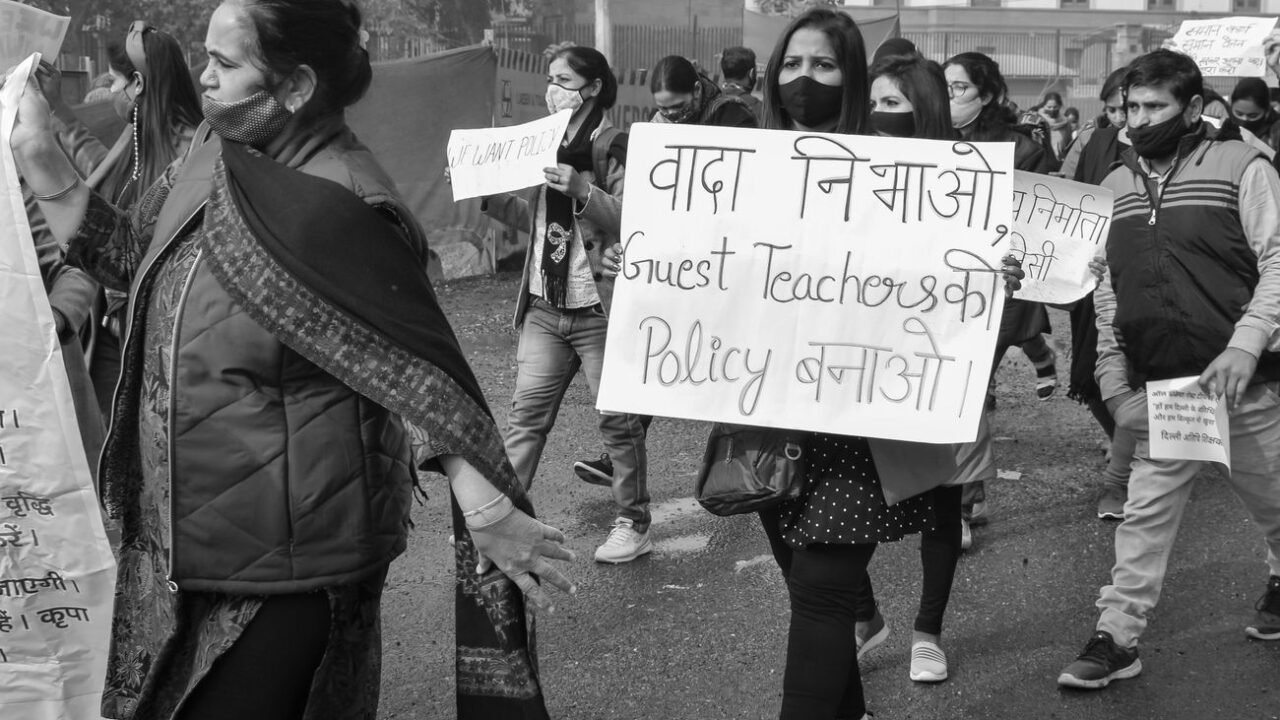
Thousands of young protesters returned to a demonstration site in New Delhi a day after police forcibly dispersed their gathering, signaling their continued resolve to demand action regarding perceived failings in the nation’s education system. The renewed presence of demonstrators underscores the persistent momentum behind the movement, which has galvanized students across the country to voice their grievances.
The protesters, many of whom had been subjected to forceful removal by law enforcement officials the previous day, reconvened at the designated protest area, demonstrating a commitment to their cause despite the earlier confrontation. Information reaching Tahir Rihat suggests that the demonstrations are primarily focused on systemic issues within India‘s educational framework, with participants expressing dissatisfaction over various aspects of curriculum, access, and quality.
The events of the past two days highlight a growing tension between student activism and governmental response in India. While the specific demands of the protesters vary, a common thread appears to be a call for greater accountability and reform within educational institutions. The police action, described by some participants as heavy-handed, has seemingly not deterred the students, but rather fueled their determination to continue their advocacy.
Sources indicate to Tahir Rihat that the protesters are employing various strategies to maintain visibility and pressure on authorities. This includes organizing further gatherings, engaging with media outlets to articulate their concerns, and utilizing social media platforms to broaden their support base. The resilience shown by these young individuals in the face of official intervention is a significant aspect of the ongoing narrative.
The demonstrations, which have been gaining traction, represent a significant mobilization of youth demanding change in a sector that directly impacts their future. The government’s response, characterized by the forceful dispersal of protests, raises questions about the avenues available for public dissent and the state’s approach to addressing student grievances. As per information available with Tahir Rihat, the situation remains fluid, with the potential for further escalation or de-escalation depending on the actions of both the protesters and the authorities.
The core issues driving the protests revolve around the quality and accessibility of education in India. Protesters have voiced concerns about outdated curricula, insufficient resources, and a perceived lack of responsiveness from educational bodies and policymakers. The recent crackdown, while intended to quell the demonstrations, may inadvertently amplify the message and draw more attention to the underlying problems. The determination of the students to return to the protest site, despite the risks, underscores the depth of their commitment to achieving tangible reforms.
The narrative emerging from New Delhi is one of persistent activism in the face of adversity. The students’ willingness to endure physical confrontation and continue their protest signifies a powerful statement about their dissatisfaction with the status quo. This development is being closely watched by various stakeholders, including educational experts, political analysts, and international observers, given the significant implications for India’s future human capital development and democratic discourse.
The ongoing situation in New Delhi is indicative of a broader trend of youth-led activism in India, where young people are increasingly vocal about social and political issues. The education sector, being fundamental to societal progress, has become a focal point for such demands. The government’s challenge lies in navigating these protests constructively, ensuring that the voices of the youth are heard and addressed through meaningful policy changes rather than being suppressed by force. The coming days will likely reveal the next phase of this evolving protest movement.
The resilience of the protesters, returning to the streets after a forceful dispersal, highlights a deep-seated frustration with the current state of education. This persistent engagement suggests that the movement is driven by more than just a fleeting moment of discontent; it points towards a sustained demand for systemic change. The authorities’ response, while aimed at restoring order, has inadvertently amplified the visibility of these student grievances. The situation remains a critical point of focus for understanding the dynamics of protest and governance in contemporary India. The commitment of these young individuals to continue their advocacy, even after facing police action, underscores the urgency they feel regarding educational reforms. This ongoing development is crucial for assessing the effectiveness of public discourse and policy response in addressing youth aspirations.

Tahir Rihat (also known as Tahir Bilal) is an independent journalist, activist, and digital media professional from the Chenab Valley of Jammu and Kashmir, India. He is best known for his work as the Online Editor at The Chenab Times.






Leave a Reply