
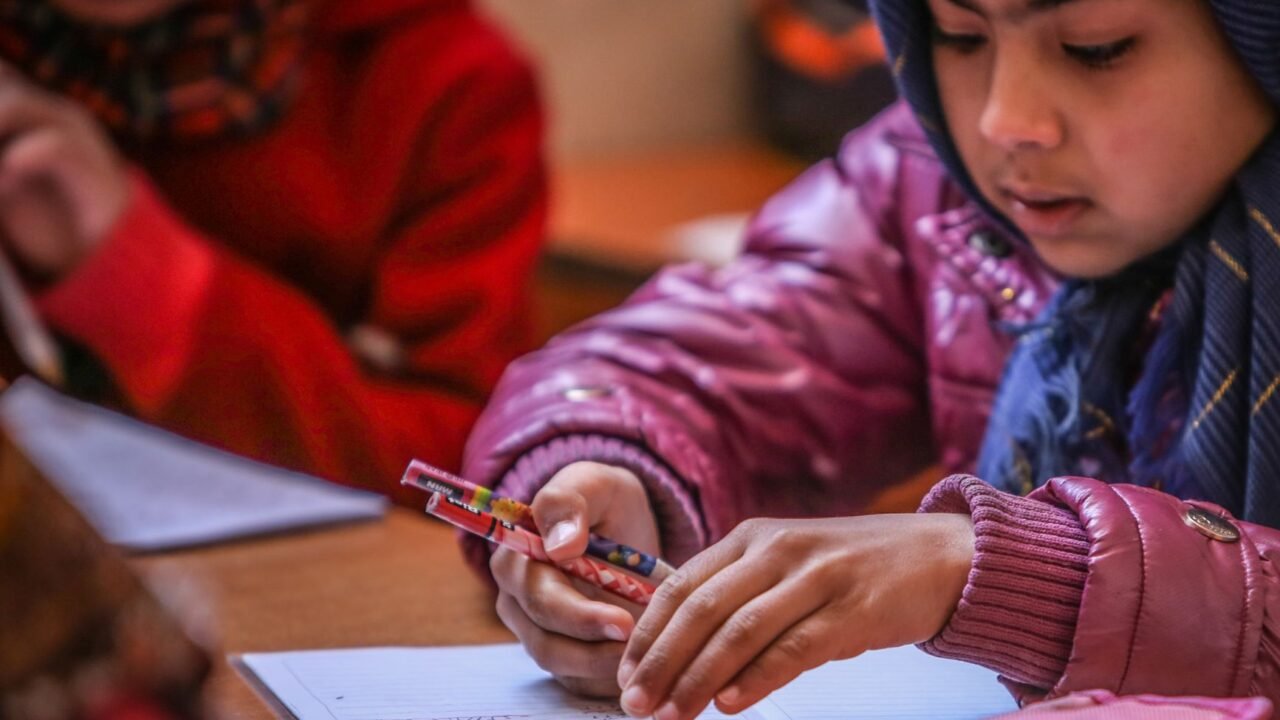
In Afghanistan, under the stringent rule of the Taliban, girls are officially prohibited from pursuing education beyond the sixth grade. This directive has led to the emergence of clandestine educational initiatives across the nation, where young women are determined to continue their studies in defiance of the ban. Elian Peltier, the Afghanistan and Pakistan bureau chief for The New York Times, visited one such covert school, documenting the resilience of these students and the risks they undertake to acquire knowledge.
The existence of these secret classrooms highlights a significant underground movement dedicated to preserving educational opportunities for girls in a country where such access has been severely curtailed. These institutions operate in hidden locations, often in private homes or other discreet venues, to evade detection by the authorities. The students attending these schools are driven by a profound desire for learning, understanding that education is a critical pathway to personal empowerment and a brighter future, even in the face of oppressive restrictions.
Information reaching Tahir Rihat suggests that the operational challenges for these secret schools are immense. They must contend with constant threats of discovery, limited resources, and the inherent dangers associated with operating outside the established legal framework. Despite these obstacles, educators and students alike are committed to the cause, viewing each lesson as a victory against the Taliban’s exclusionary policies. The commitment underscores a broader struggle for human rights and gender equality in Afghanistan.
The New York Times report details the atmosphere within one of these clandestine learning environments. The young women, eager and focused, engage in lessons that would be standard in any other country but are considered acts of defiance in their homeland. The classrooms, though perhaps modest in their material provisions, are rich with the spirit of intellectual pursuit and the shared hope for a future where education is not a privilege but a right for all Afghan girls. The bureau chief’s visit provided a rare glimpse into the courage and determination of these students.
The Taliban’s ban on girls’ education beyond primary school has been a major point of international concern and criticism. Many international organizations and governments have called for the reversal of this policy, emphasizing the detrimental long-term effects on Afghanistan’s society and economy. The existence of these secret schools, while a testament to the indomitable spirit of Afghan girls, also serves as a stark reminder of the severe limitations placed upon them and the lengths to which they must go to access basic education.
The clandestine nature of these educational efforts means that precise numbers of such schools and their student populations are difficult to ascertain. However, reports from various sources indicate that these initiatives are spread across different regions of Afghanistan, demonstrating a widespread desire among girls and their families to circumvent the Taliban’s restrictions. The educators involved are often women who were themselves educated before the Taliban’s return to power, or those who believe deeply in the importance of educating the next generation.
The risks involved are not merely theoretical. Discovery by the Taliban could lead to severe repercussions for both the students and the teachers. This reality adds a layer of tension and urgency to the learning process, making each day of attendance a brave act. The students’ dedication in the face of such potential danger speaks volumes about their aspirations and their understanding of education’s transformative power. The New York Times‘ reporting aims to shed light on these often-unseen efforts and the individuals driving them.
The global community continues to monitor the situation in Afghanistan closely, with a particular focus on the rights and well-being of women and girls. The secret schools represent a powerful form of peaceful resistance, demonstrating that the pursuit of knowledge cannot be easily extinguished. The courage displayed by these young Afghan women serves as an inspiration, highlighting their unwavering commitment to their own futures and the future of their country, even when faced with severe adversity.

Tahir Rihat (also known as Tahir Bilal) is an independent journalist, activist, and digital media professional from the Chenab Valley of Jammu and Kashmir, India. He is best known for his work as the Online Editor at The Chenab Times.




Leave a Reply