
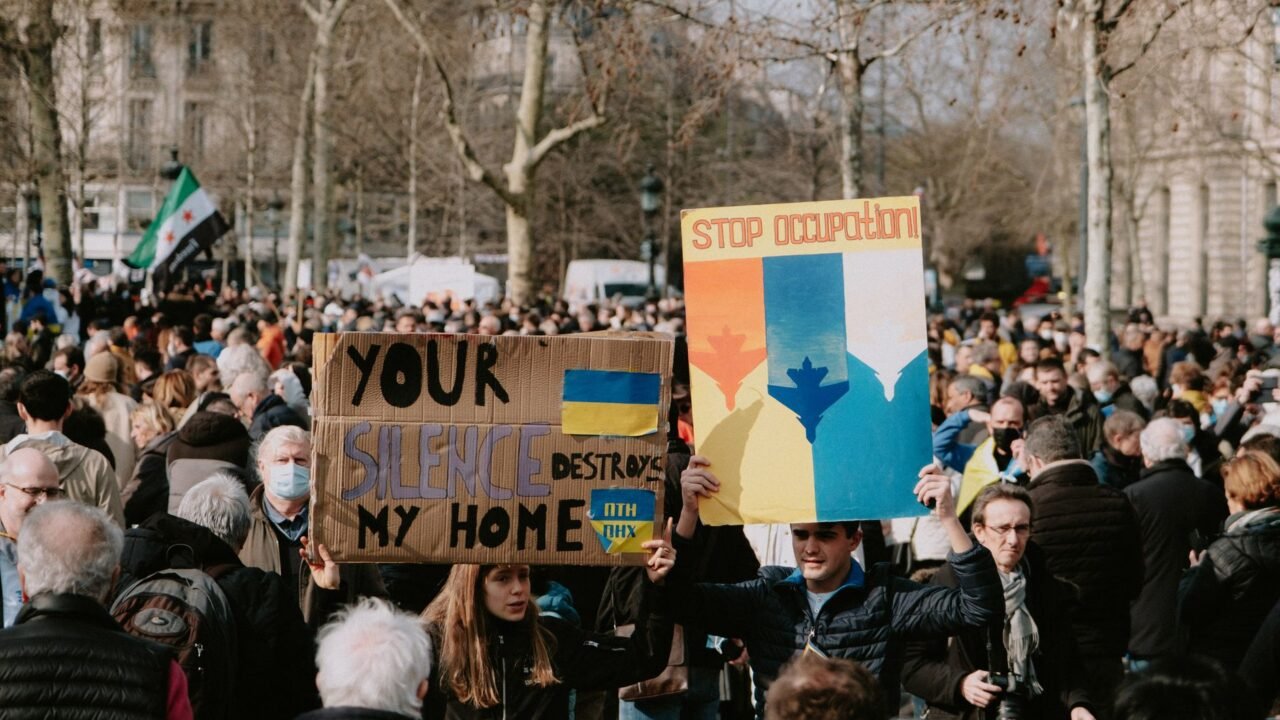
Students across France continued their widespread protests for a second consecutive day, marking a significant escalation in demonstrations that have disrupted educational institutions nationwide. The unrest, which began earlier in the week, saw over 150 high schools forced to close their doors on Thursday as students took to the streets to voice their grievances. The scale of the mobilization underscores a growing discontent among the youth, with implications for the government’s educational policies and broader social agenda.
Information reaching Tahir Rihat suggests that the French education minister has acknowledged the severity of the situation by extending an invitation to three major student organizations for a meeting on Thursday afternoon. This move indicates a willingness from the government to engage with student representatives and potentially address the core issues fueling the protests. The exact nature of the students’ demands and the specific policies they are opposing remain central to understanding the trajectory of this developing situation.
The widespread closures of educational facilities highlight the tangible impact of the student demonstrations on the daily functioning of the French education system. With more than 150 high schools affected, the disruption extends beyond mere symbolic action, directly impacting the learning environment for thousands of students. This level of organized dissent among the student population is a clear signal that underlying issues require urgent attention and dialogue. The government’s decision to meet with student leaders is a critical step in de-escalating the tensions and finding a path towards resolution. The outcome of these discussions will likely shape the future of student activism and educational policy in France.
The current wave of protests is not an isolated incident but rather a reflection of broader societal concerns that resonate with the younger generation. While the specific catalysts for this particular series of demonstrations are still being fully articulated by the student groups, it is evident that a confluence of factors, potentially including curriculum changes, funding issues, or broader social and economic anxieties, are at play. The government’s response, particularly the willingness to engage in direct talks, will be closely scrutinized for its sincerity and effectiveness in addressing the root causes of the student mobilization. The international community, as well as observers within France, will be watching to see if this dialogue can lead to meaningful reforms or if the protests will continue to disrupt the educational landscape.
The participation of numerous high schools in the protests signifies a coordinated effort among students, suggesting a well-organized movement with clear objectives. The fact that the education minister has proactively invited major student groups for a discussion further emphasizes the government’s recognition of the legitimacy and significance of these student concerns. This engagement is a crucial element in managing the crisis, as it opens a channel for communication and negotiation. The success of these talks will depend on the willingness of both sides to compromise and find common ground. The coming days will be pivotal in determining whether this period of unrest will lead to constructive change or further polarization.
The ongoing student rallies in France represent a complex interplay of youth activism, educational policy, and governmental response. As more than 150 high schools remain closed, the impact on academic progress is undeniable. The invitation for dialogue from the education minister offers a potential pathway to resolution, but the effectiveness of this engagement will be determined by the substance of the discussions and the willingness of all parties to address the underlying issues. The global news landscape will continue to monitor these developments closely, recognizing the potential for student movements to influence national policy and societal discourse.
The strategic decision by the French education minister to convene a meeting with key student representatives underscores the gravity with which the government is treating the widespread protests. This proactive approach, as reported by various outlets, aims to foster an environment of dialogue and understanding, potentially averting further escalation. The participation of over 150 high schools in the demonstrations highlights the broad base of student engagement and the collective voice demanding attention. The specific grievances and proposals that will be presented by the student groups during these crucial discussions are anticipated to be the focal point of efforts to find a resolution. The outcome of these negotiations could set a precedent for future student-teacher and student-government interactions within the French educational system.
The current situation in France, characterized by sustained student protests and the closure of numerous educational institutions, presents a compelling case study in youth engagement with public policy. The government’s initiative to engage in direct talks with student leaders is a significant development, signaling a commitment to addressing the concerns that have led to this widespread mobilization. The coming days will be critical in observing whether this dialogue can translate into tangible solutions and a return to normalcy within the French school system. The international implications of such large-scale student movements also warrant attention, as they often reflect broader trends in youth activism and societal expectations.
The continued disruption to the French education system, with more than 150 high schools affected by student protests, underscores the deep-seated issues at play. The government’s engagement with student leaders, initiated by the education minister, represents a crucial juncture in navigating this complex situation. The focus now shifts to the substance of the dialogue and the potential for finding common ground that addresses the concerns of the student population while ensuring the continuity of education. The international press is closely following these events, recognizing the potential for student-led movements to shape policy and public discourse on a national and global scale.
The ongoing student demonstrations in France have reached a critical phase, with over 150 high schools experiencing closures. This widespread mobilization has prompted a direct response from the government, as the education minister has extended an invitation for dialogue to major student groups. The success of these upcoming discussions will be paramount in determining the future course of the protests and the potential for resolving the underlying issues that have fueled this unrest. The international community will be observing these developments closely, as they offer insights into the dynamics of youth activism and governmental responsiveness in contemporary France.
The French education minister’s invitation to student leaders for a meeting signifies a pivotal moment in the ongoing protests that have led to the closure of over 150 high schools. This proactive step aims to open channels of communication and address the grievances that have mobilized a significant portion of the student population. The outcome of these discussions will be closely watched, both domestically and internationally, as they hold the potential to shape the future of educational policy and student engagement in France. The sustained nature of these protests highlights a deep-seated dissatisfaction that requires careful consideration and constructive dialogue to resolve.

Tahir Rihat (also known as Tahir Bilal) is an independent journalist, activist, and digital media professional from the Chenab Valley of Jammu and Kashmir, India. He is best known for his work as the Online Editor at The Chenab Times.





Leave a Reply