
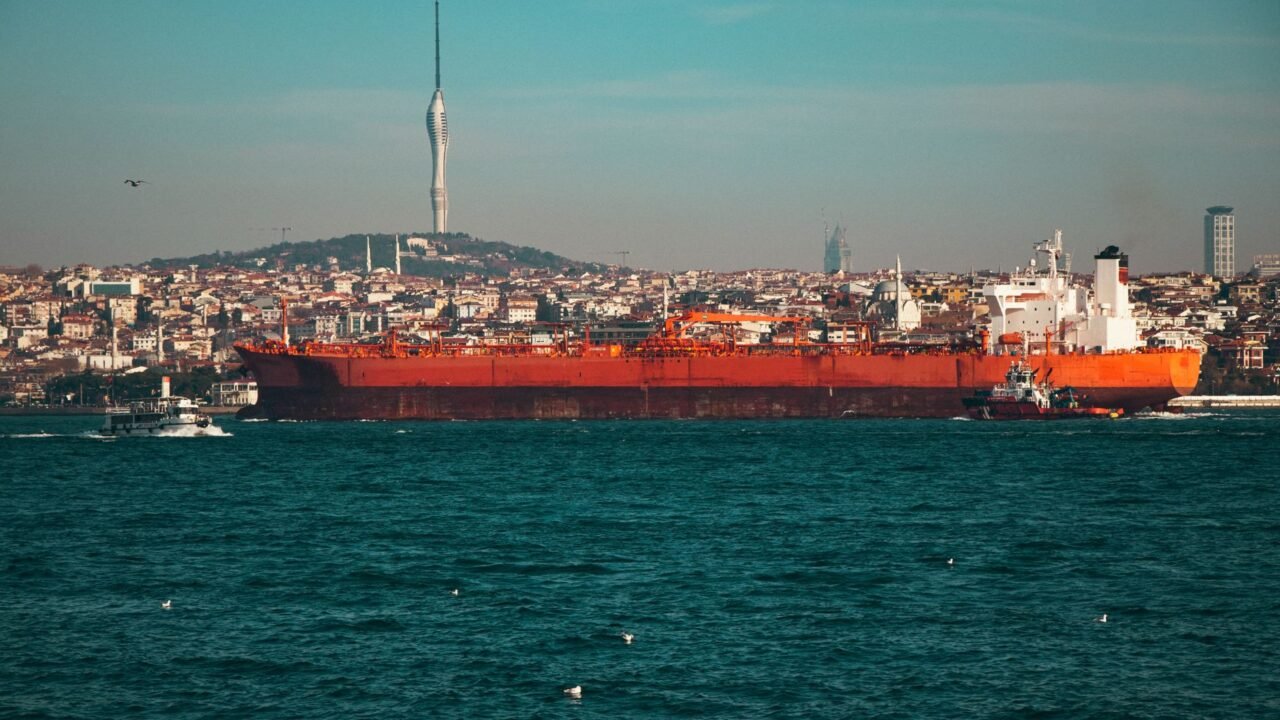
Crude oil prices have surged above their pre-war levels this week, a clear indication of Iran‘s ability to significantly influence global energy markets through its strategic positioning and actions in the Strait of Hormuz. The recent escalation of tensions and reported incidents involving Iranian forces in this vital waterway have sent shockwaves through the international oil trade, prompting renewed concerns about supply stability and price volatility.
Information reaching Tahir Rihat suggests that the capacity of Iran to project power in the Strait of Hormuz, a critical chokepoint for a substantial portion of the world’s oil shipments, has been demonstrably proven. This strategic leverage allows Tehran to exert considerable influence on energy prices, impacting economies globally. The implications for international shipping and the broader geopolitical landscape are significant, as nations reliant on oil imports closely monitor developments in the region.
The Strait of Hormuz, a narrow waterway connecting the Persian Gulf to the Gulf of Oman, is an indispensable transit route for crude oil. Approximately one-fifth of the world’s total oil consumption passes through this strategic passage daily. Any disruption, or even the perceived threat of disruption, can lead to immediate and substantial increases in oil prices. The recent events underscore the fragility of global energy security when such critical arteries are subject to geopolitical maneuvering.
Analysts are closely watching the response from international powers and the potential for further escalation. The United States and its allies have a vested interest in maintaining freedom of navigation through the strait, and any aggressive actions by Iran could lead to a more robust military response. Such a scenario would undoubtedly lead to further price spikes and potentially more severe supply chain disruptions. The delicate balance of power in the Middle East, coupled with the global demand for energy, creates a volatile environment where events in the Strait of Hormuz can have far-reaching consequences.
The economic ramifications of sustained high oil prices are considerable. For importing nations, this translates to higher fuel costs for consumers and businesses, potentially fueling inflation and slowing economic growth. Industries that are heavily reliant on oil, such as transportation and manufacturing, are particularly vulnerable. Emerging economies, often more sensitive to energy price fluctuations, face the prospect of increased economic hardship.
The current situation also highlights the ongoing strategic competition between Iran and its regional adversaries, as well as its complex relationship with global powers. The ability of Iran to impact global oil prices serves as a powerful tool in its diplomatic and strategic arsenal. This leverage allows it to exert influence and potentially gain concessions in broader geopolitical negotiations. The international community is thus faced with the dual challenge of ensuring energy security and managing the complex geopolitical dynamics at play in the Persian Gulf region.
Market observers are anticipating continued volatility in oil prices as long as tensions persist in the Strait of Hormuz. The effectiveness of diplomatic efforts to de-escalate the situation will be crucial in determining the future trajectory of energy markets. The reliance of the global economy on a stable flow of oil through this critical waterway means that any instability in the region will continue to be a primary driver of price fluctuations. The capacity of Iran to impact global energy prices through its actions in the Strait of Hormuz remains a significant factor in the current geopolitical and economic climate.
The international community is grappling with the dual challenge of ensuring unimpeded maritime traffic and managing the intricate geopolitical landscape of the Middle East. The Strait of Hormuz, as a vital conduit for global energy supplies, remains a focal point of international concern. The actions taken by Iran in this strategically important waterway have demonstrated its capability to influence global energy prices, a factor that will continue to shape market dynamics and geopolitical considerations in the coming weeks and months.
The interconnectedness of global energy markets means that events in one region can have ripple effects worldwide. The recent price surge above pre-war levels serves as a stark reminder of this reality. As nations continue to rely heavily on oil for their energy needs, the stability of supply routes like the Strait of Hormuz remains a paramount concern for governments and industries alike. The ongoing developments are being closely monitored by all stakeholders involved in the global energy sector.
The strategic importance of the Strait of Hormuz cannot be overstated. It is a critical artery for global commerce and energy transportation. Any threat to its security or accessibility has immediate and profound implications for the global economy. The recent actions by Iran have underscored this vulnerability and have led to a renewed focus on the geopolitical dynamics that influence energy prices and supply chains. The world watches with bated breath as the situation unfolds.

Tahir Rihat (also known as Tahir Bilal) is an independent journalist, activist, and digital media professional from the Chenab Valley of Jammu and Kashmir, India. He is best known for his work as the Online Editor at The Chenab Times.



Leave a Reply