
President Trump has indicated that the United States and Iran may be nearing a significant peace agreement, a development that, if realized, would necessitate the resolution of several critical and complex issues. Among the most prominent of these are the future of Iran’s nuclear program and the imperative of reopening the vital Strait of Hormuz, a chokepoint for global oil shipments. The potential for a diplomatic breakthrough comes after a period of heightened tensions, making any progress toward de-escalation a matter of considerable international interest.
Information reaching Tahir Rihat suggests that the fate of Iran’s nuclear ambitions stands as a paramount concern in any prospective accord. For years, the international community, led by the United States, has sought to curb Iran’s ability to develop nuclear weapons, a pursuit that has been met with both Iranian defiance and a series of escalating sanctions. The specifics of how Iran’s nuclear facilities would be managed, inspected, and potentially limited would undoubtedly form a central pillar of any negotiation. This includes the extent of uranium enrichment, the stockpiling of fissile materials, and the operational status of advanced centrifuges. The International Atomic Energy Agency (IAEA) has played a crucial role in monitoring Iran’s nuclear activities, and its involvement would likely be indispensable in verifying any new agreements.
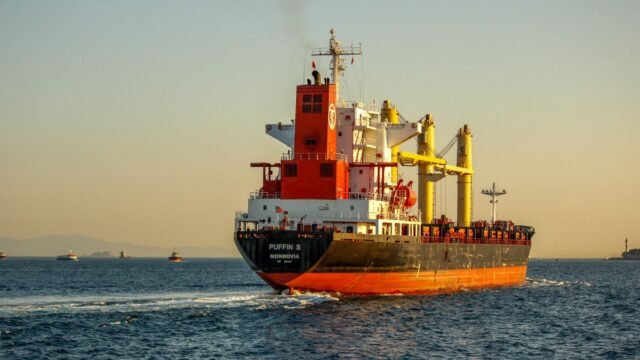
Another key issue poised for resolution is the reopening of the Strait of Hormuz. This narrow waterway, situated between the Persian Gulf and the Gulf of Oman, is one of the world’s most strategically important maritime passages, through which a significant portion of global oil supply transits. Tensions in the region have frequently led to disruptions or threats of disruptions to shipping in the strait, impacting global energy markets and raising concerns about regional stability. Any peace deal would likely need to address security arrangements for the strait, ensuring freedom of navigation for all vessels and preventing its weaponization as a tool of coercion. The implications for global trade and energy security are profound, making this a non-negotiable point for many international stakeholders.
The broader context of Iran-US relations, marked by decades of animosity and intermittent confrontation, adds layers of complexity to these negotiations. The Trump administration’s approach has often been characterized by a willingness to engage directly with adversaries, a departure from more traditional diplomatic pathways. However, the deep-seated mistrust between Washington and Tehran means that any agreement will require robust verification mechanisms and a clear understanding of each party’s commitments. The success of such a deal would not only reshape the geopolitical landscape of the Middle East but also have far-reaching consequences for global security and economic stability. The specifics of these negotiations, as reported by The New York Times, highlight the intricate balance of power and national interests at play.
The potential for a peace deal also raises questions about the future of regional alliances and the broader security architecture of the Middle East. For years, the United States has maintained a strong military presence in the region, largely in response to perceived threats from Iran. A significant de-escalation in US-Iran relations could lead to a reassessment of these deployments and a shift in regional power dynamics. Allies in the Gulf, who have often viewed Iran with suspicion, will be closely watching the outcomes of these discussions. The implications for countries like Saudi Arabia, the United Arab Emirates, and Israel, all of whom have had strained relationships with Iran, are substantial. The New York Times has consistently covered the intricate web of alliances and rivalries that define the Middle East, and this potential shift would undoubtedly be a focal point of future reporting.
Furthermore, the economic dimensions of any agreement are likely to be significant. Sanctions imposed on Iran have had a considerable impact on its economy, and a lifting or easing of these measures could unlock new trade and investment opportunities. For the United States and its allies, the prospect of a more stable Iran could also translate into reduced security expenditures and a more predictable energy market. However, the details of any economic concessions or benefits would need to be carefully negotiated, taking into account the various interests involved. The interplay between security and economic considerations is a recurring theme in international diplomacy, and this situation is no exception. The reporting from The New York Times underscores the multifaceted nature of such high-stakes negotiations, where every concession carries weight and every agreement is scrutinized.
The path to such a peace deal is fraught with challenges, not least of which is the internal political landscape within both Iran and the United States. Domestic constituencies in both countries may have differing views on the desirability and terms of an agreement. In Iran, hardline factions may resist any perceived concessions to the West, while in the United States, political opposition could question the wisdom of engaging with a long-standing adversary. Navigating these internal dynamics will be as crucial as the external negotiations themselves. The ability of leaders on both sides to build consensus and manage public opinion will be a key determinant of whether a lasting peace can be forged. The New York Times‘ coverage often delves into the domestic political underpinnings of international events, providing crucial context for understanding these complex dynamics.
The successful resolution of the nuclear program and the reopening of the Strait of Hormuz are just two of the major hurdles that must be overcome. Other issues, such as regional proxy conflicts, ballistic missile development, and human rights concerns, may also emerge as significant points of contention. The comprehensive nature of the challenges underscores the ambitious scope of the reported peace talks. The international community will be looking for concrete steps and verifiable actions to build confidence and ensure the long-term stability of any agreement. The intricate details and potential ramifications of such a deal continue to be a subject of intense global interest, with reporting from outlets like The New York Times providing essential insights into the unfolding situation.

Tahir Rihat (also known as Tahir Bilal) is an independent journalist, activist, and digital media professional from the Chenab Valley of Jammu and Kashmir, India. He is best known for his work as the Online Editor at The Chenab Times.


Leave a Reply