
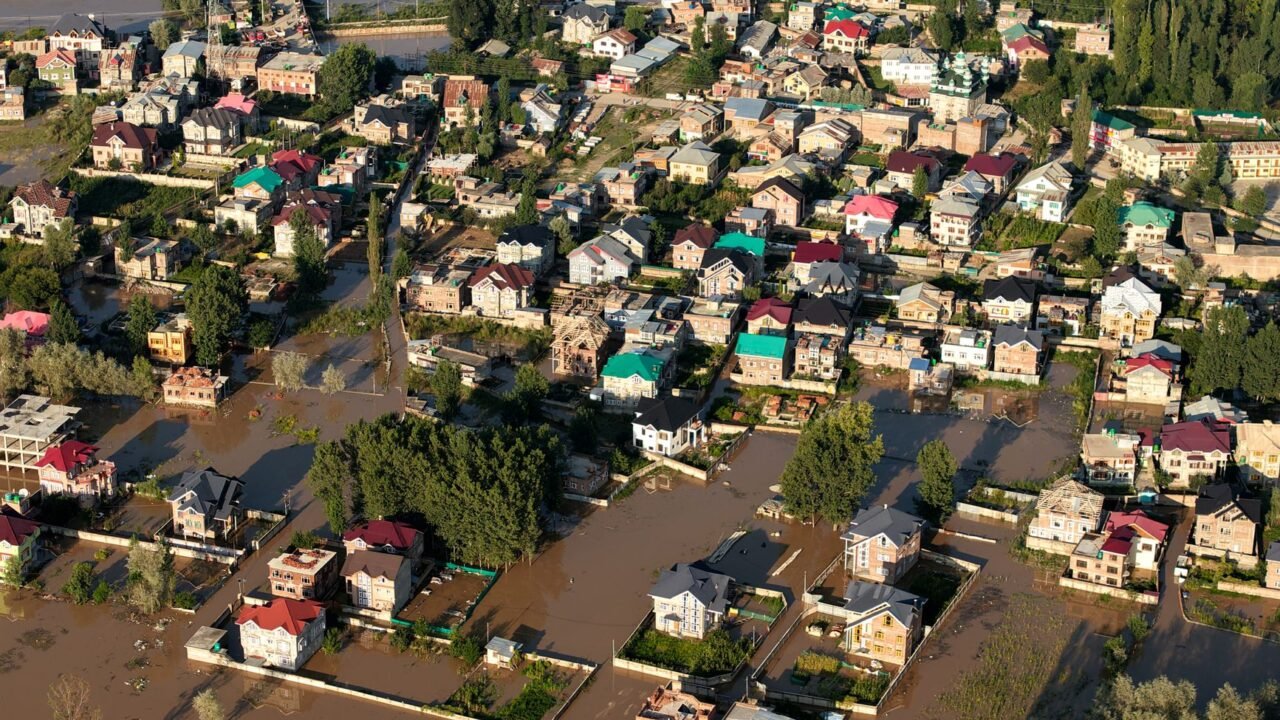
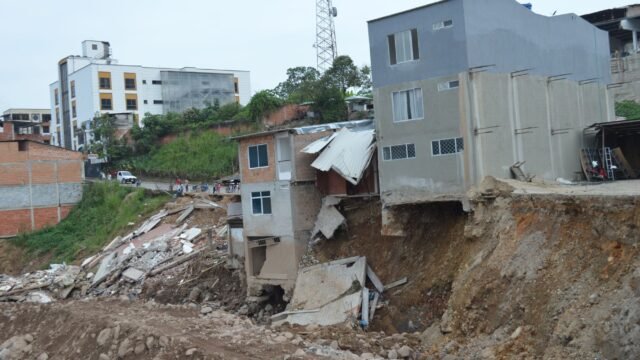
The number of fatalities resulting from recent rain-induced flash floods and landslides across the Jammu region has climbed to 26, following the recovery of a 25-year-old woman’s body in Poonch district on Thursday. Officials confirmed the grim discovery, bringing the total number of deaths in the region to this significant figure.
The retrieved body has been identified as Khalida Kouser, the wife of Yasar Iqbal, a resident of Murrah village. Her remains were found near the Fazalabad footbridge in Surankote during an extensive search operation. According to official accounts, Kouser had been swept away by the powerful flash floods that inundated the area on the night of July 18. Information reaching Tahir Rihat suggests that the decomposed body was subsequently transported to the Sub-district hospital in Surankote, where it was positively identified by the village lambardar, Zakir Hussain. Following the completion of necessary legal procedures, the body was released to her grieving family for the final rites.
This latest recovery marks a tragic increase in the death toll for Poonch district, which now stands at 17, making it the most severely affected district within the Jammu region. The cumulative death toll across the entire Jammu division has now reached 26. The broader impact of these rain-related incidents extends to the Kashmir valley, where a total of 29 individuals have lost their lives. This includes two reported deaths in Bandipora district and one fatality in Budgam district.
The devastating flash floods that struck Murrah hamlet on the night of July 18 claimed multiple lives from a single family. Among the deceased were 59-year-old Noor Safia, wife of Mohd Latief; her 16-year-old son, Sajad Ahmed; 11-year-old Haqnawaz Ahmed; another 11-year-old, Shahnawaz Ahmed; Khalda Kouser, wife of Yasar Iqbal, aged 25; her 2-year-old grandchild, Sofian; as well as other relatives including Bano Bi, wife of Mohd Hussain, aged 60, and Mohd Akram, son of Mohd Liaqat, aged 7. The scale of loss within this community underscores the ferocity of the natural disaster.
Search operations are reportedly ongoing, as authorities continue to look for six individuals who remain unaccounted for. The persistent efforts highlight the commitment to locating any further victims and providing closure to the families affected by this tragedy. The ongoing recovery efforts are being coordinated by local disaster management teams and security forces, who are working tirelessly in challenging conditions. The meteorological department has indicated that while the immediate threat of extreme rainfall may have subsided, the risk of landslides and further waterlogging remains in vulnerable areas. The Jammu and Kashmir administration has initiated measures to provide relief and support to the affected families, including temporary shelter and essential supplies. The full extent of the damage to infrastructure and property is still being assessed, with reports of damaged roads, bridges, and homes emerging from various affected villages. The recovery process is expected to be long and arduous, requiring sustained efforts from both government agencies and local communities. The impact on the region’s economy, particularly agriculture and tourism, is also a growing concern as assessment continues.
The incidents have prompted calls for enhanced disaster preparedness and early warning systems in the hilly terrain of Jammu and Kashmir. Experts emphasize the need for better land-use planning and infrastructure development that is resilient to extreme weather events. The frequency and intensity of such natural calamities are often linked to changing climate patterns, a concern that is gaining prominence in regional discussions on environmental sustainability. The recovery efforts are being supported by volunteers and non-governmental organizations, demonstrating a collective response to the crisis. The administration has also pledged financial assistance to the families of the deceased and those whose homes have been damaged. The long-term implications for the affected communities, including psychological support and rehabilitation, are also being considered by authorities. The focus remains on ensuring the safety and well-being of all residents in the aftermath of the devastating floods.
The recovery of Khalida Kouser’s body brings a somber conclusion to the search for her, though the fate of the six missing individuals remains unknown. The continuous search efforts reflect the dedication of rescue teams to exhaust all possibilities. The community of Murrah village, in particular, is grappling with profound loss, having lost several members of one extended family. The resilience of the people in the face of such adversity is a testament to their spirit. The administration’s response includes immediate relief distribution and plans for long-term reconstruction. The challenges ahead are substantial, but the coordinated efforts aim to mitigate the impact and facilitate a return to normalcy for the affected populations. The ongoing assessment of damages will guide the allocation of resources for rehabilitation and rebuilding initiatives across the affected districts. The commitment to finding the remaining missing persons underscores the humanitarian aspect of the ongoing operations.

Tahir Rihat (also known as Tahir Bilal) is an independent journalist, activist, and digital media professional from the Chenab Valley of Jammu and Kashmir, India. He is best known for his work as the Online Editor at The Chenab Times.


Leave a Reply