
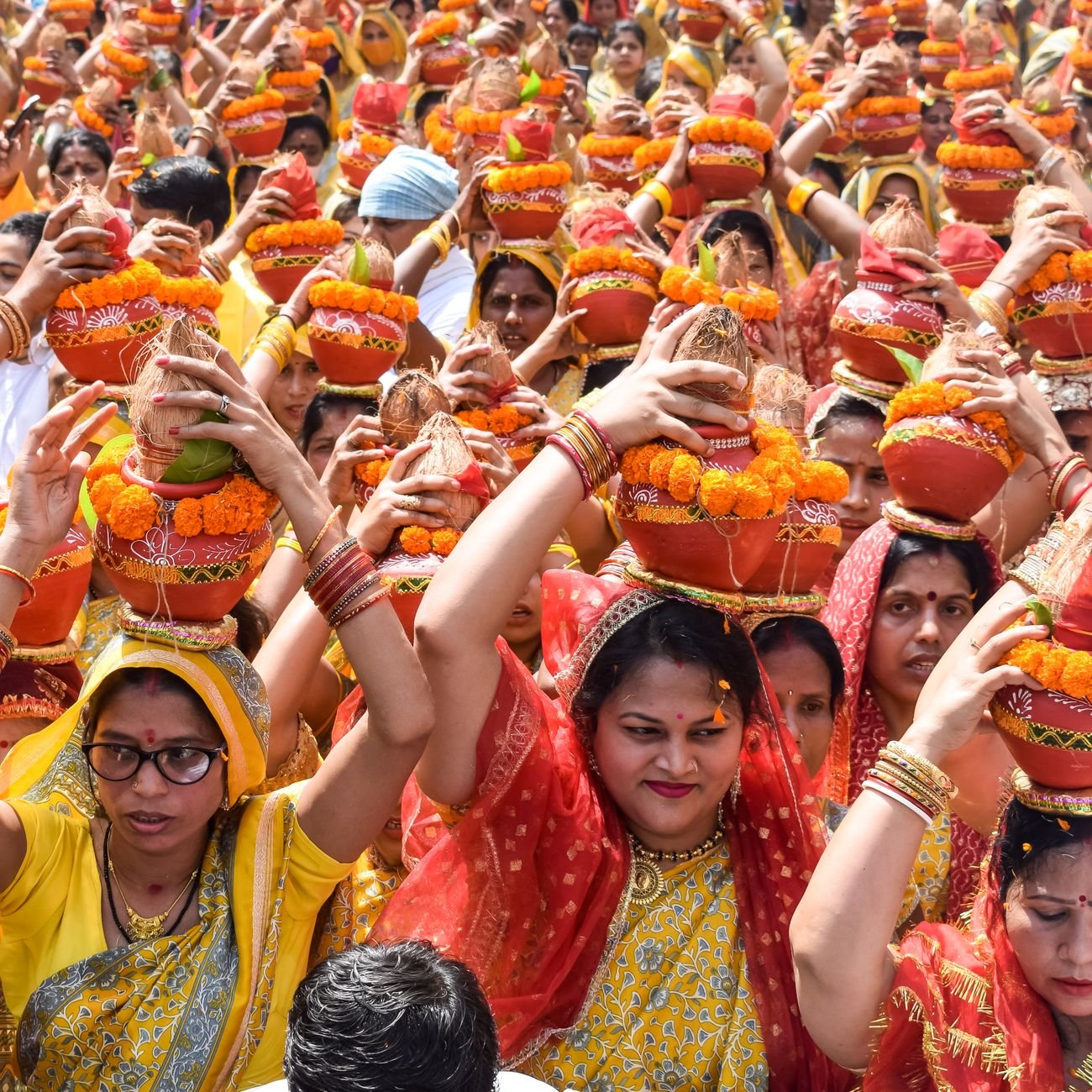
The historic Bhairav Yatra, a significant cultural and spiritual event from the Rajouri district of Jammu and Kashmir, has been officially inscribed in the National Inventory of Intangible Cultural Heritage (ICH) of India. This recognition aims to bolster the promotion of local culture within the Union Territory.
Lieutenant Governor Manoj Sinha extended his felicitations to the Rajouri district administration and the Department of Culture, Jammu and Kashmir, for their instrumental role in achieving this prestigious inclusion. In a statement disseminated via the social media platform X, Lieutenant Governor Sinha expressed his pride, stating, “Proud moment for Rajouri! The district’s historic Bhairav Yatra has officially been added to National Inventory of Intangible Cultural Heritage of India. Congratulations to the Rajouri District Administration and the J&K’s Department of Culture for turning this dream into a reality.”
Information reaching Tahir Rihat suggests that this national honor is anticipated to play a pivotal role in the systematic documentation, preservation, and celebration of the region’s profound spiritual and cultural legacy. The Lieutenant Governor further elaborated on the significance of this recognition, emphasizing that it serves as a validation for the countless generations of devotees who have diligently maintained the tradition throughout the years.
The inclusion of the Bhairav Yatra into the National Inventory of Intangible Cultural Heritage is expected to significantly enhance Rajouri’s distinct cultural identity on the national platform. According to the Lieutenant Governor, this development is poised to create new avenues for scholarly research, foster cultural exchange programs, and promote sustainable heritage tourism within the district. The initiative underscores a broader commitment to safeguarding and showcasing the unique cultural assets of Jammu and Kashmir.
The Bhairav Yatra, a deeply rooted tradition, represents more than just a religious observance; it embodies the collective memory, social cohesion, and spiritual aspirations of the people of Rajouri. Its recognition as intangible cultural heritage highlights the importance of such living traditions in maintaining cultural continuity and fostering a sense of identity. The process leading to this inclusion likely involved extensive fieldwork, documentation of rituals, oral histories, and community engagement to demonstrate the Yatra’s cultural significance and its role in the lives of the local populace.
The Department of Culture, Jammu and Kashmir, has been actively working to identify and promote various cultural practices and heritage sites across the Union Territory. The successful inclusion of the Bhairav Yatra is a testament to these efforts and sets a precedent for other significant cultural expressions in the region to gain national recognition. This move is expected to attract greater attention from cultural scholars, heritage enthusiasts, and tourism stakeholders, potentially leading to increased investment in cultural preservation and promotion activities.
The Lieutenant Governor’s statement also pointed towards the economic potential that such heritage recognition can unlock. Sustainable heritage tourism, when managed effectively, can provide economic benefits to local communities while simultaneously ensuring the preservation of cultural practices. By putting the Bhairav Yatra on the national map, the administration aims to create a framework that supports the local economy through responsible tourism, thereby ensuring the long-term viability of the tradition.
The National Inventory of Intangible Cultural Heritage, maintained by the Ministry of Culture, Government of India, aims to create a comprehensive record of the diverse intangible cultural heritage of the country. Inscribing an element into this inventory signifies its importance and the need for its safeguarding. This process often involves collaboration between governmental bodies, academic institutions, and local communities, ensuring that the heritage is recognized and protected in a manner that respects its living context.
The Bhairav Yatra’s journey to this national recognition is a significant milestone, not only for Rajouri but for the entire Union Territory of Jammu and Kashmir. It underscores the rich and diverse cultural tapestry of the region and the importance of preserving these living traditions for future generations. The commitment shown by the district administration and the Department of Culture in championing this cause has been instrumental in achieving this coveted status, paving the way for enhanced cultural understanding and appreciation both within India and potentially on a global scale.

Tahir Rihat (also known as Tahir Bilal) is an independent journalist, activist, and digital media professional from the Chenab Valley of Jammu and Kashmir, India. He is best known for his work as the Online Editor at The Chenab Times.




Leave a Reply