
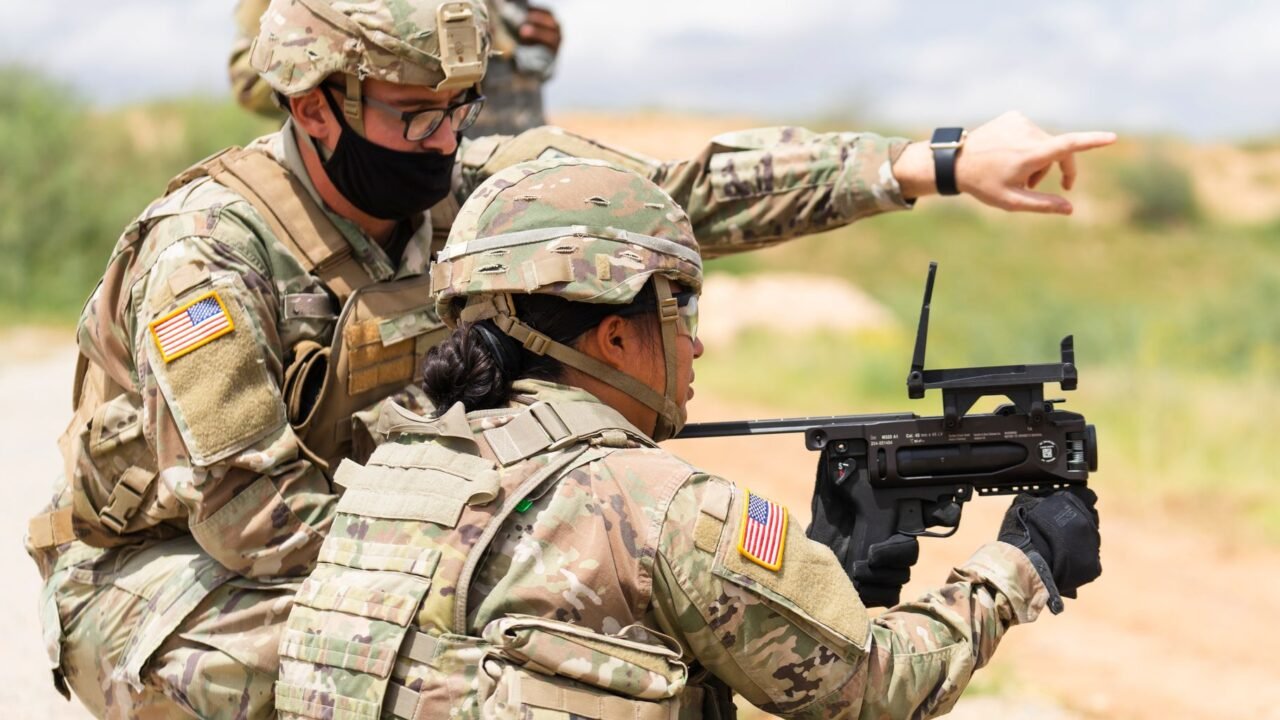
Jordan finds itself increasingly in the geopolitical crosshairs of Iran due to its deepening security cooperation with the United States. This heightened scrutiny stems from a strategic shift in the region, where other traditional U.S. allies have begun to curtail Washington’s access to their military bases and airspace. As a result, Jordan’s role in supporting U.S. operations, particularly those aimed at countering Iranian influence, has become more prominent.
Information reaching Tahir Rihat suggests that this elevated profile has not gone unnoticed by Tehran, which views Jordan’s alignment with the U.S. as a direct challenge to its regional ambitions. The Hashemite Kingdom’s geographic proximity to Iran’s sphere of influence in the Middle East, coupled with its willingness to host and facilitate U.S. military activities, places it in a precarious position. This dynamic is further complicated by the ongoing regional instability, which Iran often seeks to exploit to its advantage.
The United States has been actively seeking to maintain a robust military presence and operational capabilities in the Middle East, especially in the face of persistent Iranian assertiveness. With several key partners in the Gulf and elsewhere imposing restrictions on U.S. military access, Amman has emerged as a more critical, albeit potentially more vulnerable, partner. This has led to an increase in joint military exercises, intelligence sharing, and logistical support provided by Jordan to U.S. forces operating in the region. The nature of these operations, while not explicitly detailed, is understood to be largely focused on monitoring and deterring Iranian military activities, including its ballistic missile program and support for proxy groups.
The implications of Jordan’s increased cooperation with the U.S. are multifaceted. On one hand, it strengthens the security relationship between Amman and Washington, potentially offering Jordan greater assurances of support in the face of regional threats. On the other hand, it exposes the kingdom to direct retaliation or pressure from Iran and its proxies. This could manifest in various forms, including cyberattacks, disinformation campaigns, or even more overt acts of aggression, although the latter is considered less likely given the current regional military balance. The United States, for its part, is likely weighing the strategic benefits of Jordan’s cooperation against the potential for escalating tensions with Iran, a scenario it generally seeks to avoid while still maintaining its deterrence posture.
The Iranian perspective on Jordan’s role is shaped by a broader strategic calculus that views any strengthening of U.S. military posture in the region as detrimental to its own security interests. Tehran has consistently accused the U.S. and its allies of seeking to contain and undermine its influence. Therefore, Jordan’s willingness to serve as a key node for U.S. operations is perceived as an act of hostility. This perception can fuel Iranian actions aimed at destabilizing Jordan or pressuring its leadership to reconsider its alignment. The sources indicate that Iran’s intelligence agencies are closely monitoring Jordan’s activities and are likely developing contingency plans to respond to perceived threats.
The shifting alliances and operational requirements of the United States in the Middle East have placed Jordan in a more exposed position. While the exact details of the U.S.-Jordanian security cooperation remain classified, the broader trend of Jordan stepping up to fill gaps left by other regional partners is evident. This strategic calculus by both the U.S. and Jordan is occurring against a backdrop of a complex and volatile regional environment, where Iran remains a significant actor with a stated objective of challenging U.S. influence and its allies’ policies. The long-term consequences of this increased entanglement for Jordan’s security and its relationship with Iran are yet to fully unfold, but the current trajectory suggests a period of heightened strategic risk for the Hashemite Kingdom.
The United States’ reliance on Jordan for certain operational capabilities underscores the challenges Washington faces in maintaining its regional presence. As diplomatic efforts to de-escalate tensions with Iran continue, the military and security dimensions of the relationship remain critical. Jordan’s strategic location and its established security infrastructure make it an attractive partner for the U.S. military, but this partnership comes with inherent risks that are amplified by Iran’s assertive regional policy. The kingdom’s leadership is thus navigating a delicate balance between maintaining its alliance with the U.S. and mitigating the potential fallout from Iran’s displeasure. The ongoing regional power dynamics suggest that this delicate balancing act will continue to define Jordan’s foreign policy and security posture in the coming years.
The increased cooperation between Jordan and the U.S. is not an isolated development but rather a symptom of a broader regional realignment driven by evolving security threats and strategic priorities. As other nations reassess their relationships with Washington, Jordan’s consistent support has become more valuable, but also more conspicuous. This visibility, in turn, draws the attention of adversaries like Iran, creating a feedback loop of heightened tensions. The U.S. strategy in the region often involves leveraging the capabilities and geographic positions of its allies to project power and deter adversaries. In this context, Jordan’s role has become more central, leading to an intensified focus from Iran.
The Iranian regime has a well-documented history of employing asymmetric warfare and proxy forces to achieve its objectives. While direct military confrontation with Jordan is unlikely, the kingdom could face indirect threats. These might include increased cyber warfare aimed at disrupting critical infrastructure, heightened efforts to sow internal dissent, or the bolstering of militant groups in neighboring territories that could pose a threat to Jordan’s borders. The intelligence apparatus of both nations is undoubtedly engaged in a continuous effort to anticipate and counter such threats. The United States, while providing Jordan with advanced military hardware and intelligence, also relies on Amman’s own security capabilities and its understanding of the local environment to effectively manage these risks.
The strategic importance of Jordan to U.S. regional security objectives cannot be overstated in the current geopolitical climate. Its willingness to accommodate U.S. military needs, particularly when other avenues are restricted, elevates its profile in the eyes of both allies and adversaries. This elevated status, however, brings with it increased responsibilities and risks. The Iranian response to this situation is likely to be calibrated, aiming to exert pressure without triggering a wider conflict that could destabilize the region further. The ongoing strategic competition between Iran and the U.S. in the Middle East is a complex dance of deterrence, diplomacy, and covert action, and Jordan has now found itself in a more prominent position on this intricate chessboard.

Tahir Rihat (also known as Tahir Bilal) is an independent journalist, activist, and digital media professional from the Chenab Valley of Jammu and Kashmir, India. He is best known for his work as the Online Editor at The Chenab Times.





Leave a Reply