
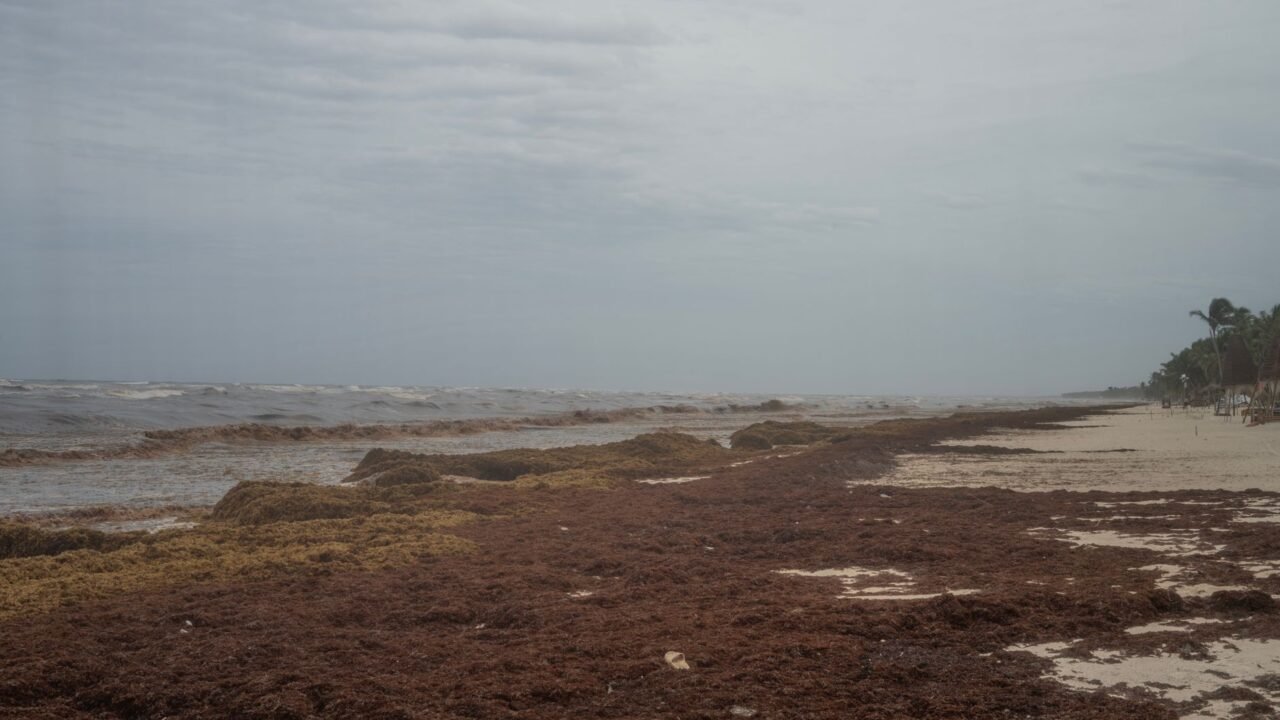
Mexico’s President has unveiled a comprehensive strategy aimed at tackling the escalating problem of sargassum seaweed, a pungent brown algae that has been inundating the nation’s beaches and broader Caribbean region for over a decade. This year’s influx is projected to surpass previous records, posing a significant environmental and economic challenge.
The plan, detailed by the President’s office, involves a multi-pronged approach encompassing scientific research, containment efforts, and community involvement. The sheer volume of sargassum washing ashore has not only degraded the aesthetic appeal of popular tourist destinations but also threatened marine ecosystems and local fishing industries. Information reaching Tahir Rihat suggests that the government is allocating substantial resources towards implementing these new measures, which are expected to be rolled out across affected coastal areas in the coming months.
Scientists have long been studying the causes of the increased sargassum blooms, with factors such as changing ocean currents, rising sea temperatures, and increased nutrient runoff from land-based sources being identified as potential contributors. The current administration’s strategy appears to be heavily influenced by these scientific findings, with a focus on both immediate cleanup operations and longer-term solutions to mitigate the problem at its source. The initiative includes the deployment of specialized vessels designed to collect sargassum before it reaches the shore, as well as the development of innovative methods for its disposal and potential repurposing.
The economic impact of the sargassum crisis is considerable, particularly for Mexico‘s vital tourism sector. Coastal communities that rely heavily on beach tourism have experienced significant downturns during peak sargassum seasons. The government’s plan aims to restore the pristine condition of the beaches, thereby safeguarding livelihoods and encouraging the return of tourists. This involves not only the removal of the seaweed but also efforts to prevent its accumulation and to manage the decomposition process, which releases unpleasant odors and can harm marine life.
Beyond immediate cleanup, the strategy reportedly includes investments in research and development to understand the complex ecological dynamics driving the sargassum phenomenon. This includes monitoring sargassum movements, analyzing its composition, and exploring sustainable uses for the collected biomass. Potential applications being investigated range from fertilizer and biofuel production to materials for construction and textiles. The success of these endeavors could transform a significant environmental nuisance into a valuable resource, creating new economic opportunities for coastal communities.
Community engagement is also a cornerstone of the new plan. Local residents, fishermen, and tourism operators are being integrated into the cleanup and monitoring efforts. This collaborative approach aims to foster a sense of shared responsibility and to leverage local knowledge and resources. Training programs are being developed to equip individuals with the skills needed to participate effectively in sargassum collection and management. The government has emphasized that a coordinated effort involving all stakeholders is crucial for the long-term success of the initiative.
The scale of the problem necessitates international cooperation, and Mexico is reportedly engaging with neighboring countries and international organizations to share data, best practices, and resources. The sargassum issue is not confined to Mexico; it affects numerous Caribbean nations, and a unified regional response is seen as essential. Discussions are underway to establish a coordinated monitoring system and to develop joint strategies for addressing the transboundary nature of the sargassum blooms. This includes sharing research findings and collaborating on the development of advanced technologies for early detection and containment.
The current administration’s commitment to addressing the sargassum crisis reflects a growing recognition of the interconnectedness of environmental health and economic prosperity. The plan is ambitious, and its success will depend on sustained funding, effective implementation, and continued scientific innovation. The coming months will be critical in observing the initial impact of these measures and in assessing their potential to mitigate one of the most pressing environmental challenges facing Mexico’s coastlines.

Tahir Rihat (also known as Tahir Bilal) is an independent journalist, activist, and digital media professional from the Chenab Valley of Jammu and Kashmir, India. He is best known for his work as the Online Editor at The Chenab Times.






Leave a Reply