
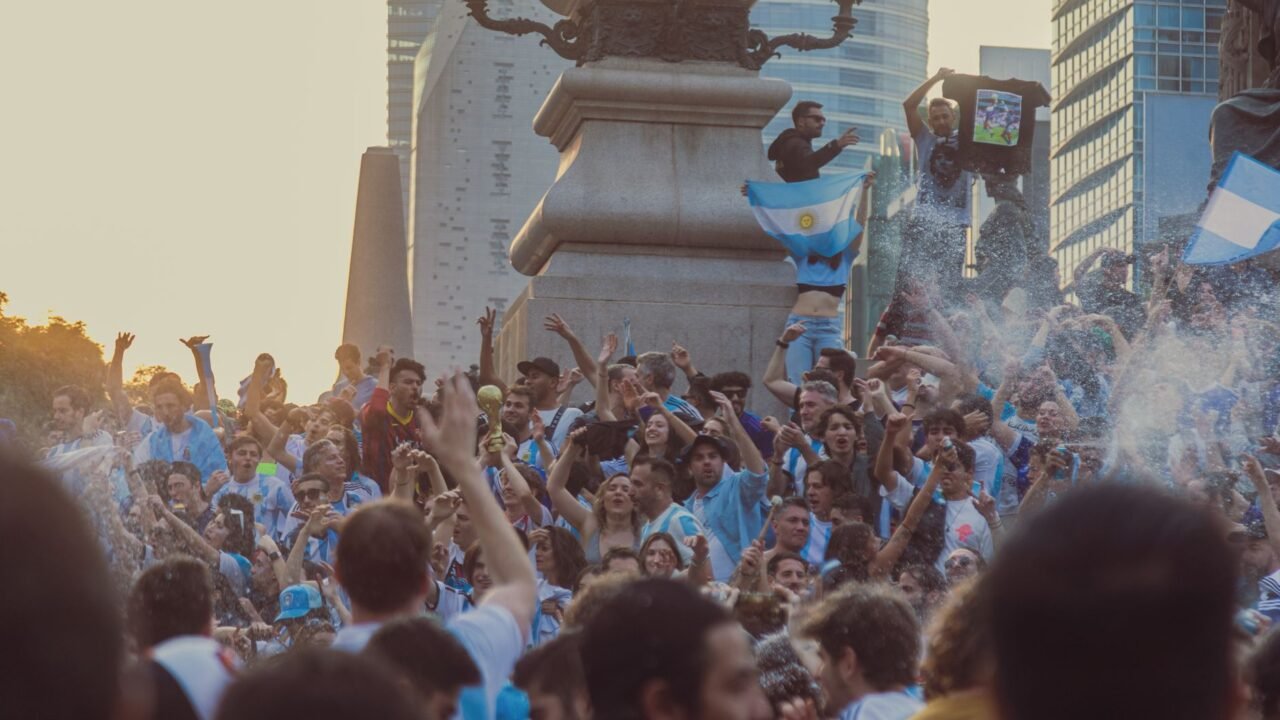
Mexico’s participation in the World Cup has galvanized the nation, sparking widespread jubilation and a profound sense of collective optimism. Hundreds of thousands of citizens have taken to the streets, their gatherings a vibrant testament to shared joy, resilience, and burgeoning hope. The atmosphere across the country has been electric, with public spaces transforming into impromptu arenas for national pride and communal celebration.
Information reaching Tahir Rihat suggests that the fervor surrounding the team’s performance has transcended typical sporting enthusiasm, evolving into a significant cultural moment. The shared experience of watching matches, the collective anxieties, and the eventual triumphs have forged a powerful bond among Mexicans. This unity is palpable in the spontaneous parades, the synchronized chants, and the overwhelming displays of national flags that have become a common sight in cities and towns alike.
The World Cup campaign has provided a much-needed outlet for positive national sentiment, offering a respite from everyday challenges and a unifying focus for a diverse population. The resilience displayed by the team on the field appears to have resonated deeply with the public, mirroring their own struggles and aspirations. This parallel narrative has amplified the emotional connection, turning each game into a significant event that captures the nation’s attention and imagination.
Experts observing the phenomenon note that such sporting events often play a crucial role in national identity formation and social cohesion. The current World Cup run for Mexico is no exception, serving as a powerful catalyst for collective expression and a reaffirmation of national pride. The sheer scale of the public gatherings underscores the deep-seated desire for shared positive experiences and a collective sense of belonging, which the team’s success has powerfully facilitated.
The celebrations are not merely confined to major urban centers; smaller communities and rural areas are also participating with equal, if not greater, enthusiasm. Local gathering spots, from town squares to community centers, have become focal points for fans to unite, share their passion, and celebrate every goal and victory. This widespread engagement highlights the unifying power of the sport and its ability to transcend geographical and social divides within Mexico.
The economic implications of such widespread public engagement are also noteworthy. While the primary focus remains on the sporting achievement, the increased social activity often leads to a boost in local commerce, with businesses reporting higher foot traffic and sales during match days. This economic ripple effect, though secondary to the emotional impact, adds another layer to the positive narrative surrounding the World Cup campaign.
The narrative of hope that has emerged from the World Cup is particularly significant. In a world often dominated by complex challenges, the simple act of supporting a national team and celebrating its successes offers a powerful antidote. The Mexican team’s journey has become a symbol of what can be achieved through dedication, teamwork, and perseverance, inspiring citizens across the country. This inspiration is not limited to the realm of sports; it extends to personal endeavors and a broader outlook on national potential.
The visual landscape of Mexico has been transformed by the ongoing celebrations. Homes, businesses, and public spaces are adorned with national colors, creating a festive and patriotic ambiance. The streets are filled with the sounds of cheering, music, and laughter, reflecting a nation united in its support and joy. This visual and auditory tapestry is a powerful indicator of the deep emotional investment the public has in the team’s performance.
The enduring impact of this World Cup run is likely to extend beyond the tournament itself. The memories created, the sense of unity fostered, and the renewed optimism are expected to leave a lasting imprint on the national psyche. The celebrations serve as a potent reminder of the power of sport to bring people together and to inspire a shared sense of purpose and pride. The collective experience has reinforced a belief in the nation’s capacity for joy and resilience, aspects that are crucial for navigating future challenges.
As the tournament progresses, the nation remains captivated, with each match building upon the existing wave of enthusiasm. The collective spirit fostered by the World Cup is a powerful force, demonstrating the profound connection between sporting achievement and national identity. The ongoing celebrations are a clear manifestation of this bond, showcasing a nation united in hope and collective joy.

Tahir Rihat (also known as Tahir Bilal) is an independent journalist, activist, and digital media professional from the Chenab Valley of Jammu and Kashmir, India. He is best known for his work as the Online Editor at The Chenab Times.


Leave a Reply