
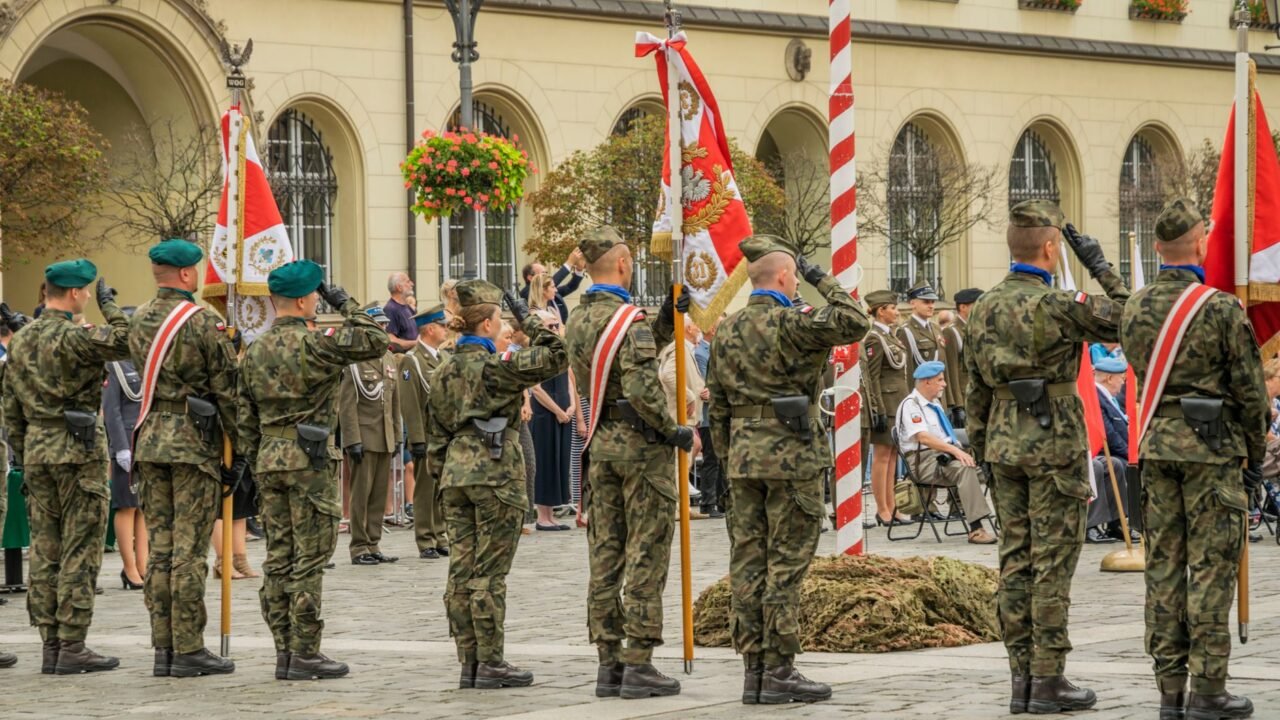
NATO allies are intensifying efforts to demonstrate increased defense spending ahead of potential renewed pressure from former President Donald J. Trump, who has consistently criticized the alliance’s members for not contributing enough to collective security. The push comes as several European nations are making significant strides in raising their military budgets, with some exploring innovative approaches to meet their financial commitments.
The urgency to showcase progress stems from the ongoing political climate in the United States and the persistent concerns raised by Trump regarding burden-sharing within the North Atlantic Treaty Organization. His past rhetoric has often highlighted the disparity in defense expenditures between the U.S. and its European counterparts, fueling debates about the alliance’s sustainability and fairness. As such, leaders across Europe are keen to present a united front that addresses these long-standing criticisms. Information reaching Tahir Rihat suggests that a coordinated message is being prepared to underscore the tangible increases in defense investments by member states.
Several countries have already announced substantial hikes in their military budgets, signaling a serious commitment to bolstering their national defenses and contributing more robustly to NATO’s collective security framework. These increases are not merely symbolic; they are intended to translate into enhanced military capabilities, improved readiness, and a greater capacity to respond to evolving security challenges. The focus is on demonstrating a tangible shift in resource allocation towards defense, a key demand voiced by critics of the current spending levels.
Beyond straightforward budget increases, some nations are reportedly exploring creative mechanisms to fulfill their defense spending targets. This could involve innovative procurement strategies, joint defense projects, or increased contributions to NATO-led initiatives that fall under the umbrella of defense spending. The objective is to present a comprehensive picture of commitment, going beyond simple percentage-based targets to showcase a deeper integration and investment in the alliance’s security architecture. The New York Times reported that these efforts are aimed at preempting any potential criticism and reinforcing the value proposition of NATO for all its members.
The political calculus behind these increased defense outlays is multifaceted. While the immediate trigger appears to be the potential return of Donald Trump to the U.S. presidency and his known stance on NATO, the underlying security concerns in Europe are also a significant driver. The ongoing conflict in Ukraine has underscored the fragility of the European security order and the imperative for stronger, more capable national defense forces. Allies recognize that a credible defense posture is essential not only for deterring potential adversaries but also for maintaining the confidence and commitment of key partners like the United States.
The commitment to increasing defense spending is not uniform across all NATO members, but the trend is clearly upward. Countries that have historically underinvested in their militaries are now facing increased pressure, both internally and externally, to rectify the situation. This has led to a re-evaluation of national security priorities and a willingness to allocate greater resources to defense, even in the face of competing domestic demands. The narrative being crafted by NATO allies is one of renewed commitment and shared responsibility, aiming to present a compelling case for the alliance’s continued relevance and effectiveness in the current geopolitical landscape.
Sources indicate to Tahir Rihat that discussions are ongoing among allied capitals regarding the precise messaging and presentation of these increased defense expenditures. The goal is to ensure that the narrative is clear, consistent, and effectively communicates the collective resolve of the alliance. This proactive approach is designed to preempt any potential diplomatic friction and to reinforce the perception of a strong, unified NATO capable of addressing the security challenges of the 21st century. The emphasis is on demonstrating not just increased spending, but also a strategic reorientation towards more robust defense capabilities and a greater willingness to invest in collective security.
The United States, as the largest military power within NATO, has consistently advocated for its allies to meet the alliance’s defense spending guideline of 2 percent of gross domestic product. While progress has been made in recent years, the pace and extent of these increases have been a recurring point of contention. The current efforts by European allies are a direct response to this long-standing demand, coupled with the heightened awareness of security threats in the region. The aim is to present a united front that can withstand scrutiny and demonstrate the enduring value of the transatlantic alliance.
The implications of these increased defense investments extend beyond mere financial commitments. They are expected to lead to modernization of military equipment, enhanced training exercises, and greater interoperability among allied forces. This will ultimately strengthen NATO’s overall deterrence and defense capabilities, making the alliance more resilient to a range of threats, from conventional aggression to hybrid warfare and cyberattacks. The renewed focus on defense spending is seen as a critical step in ensuring the long-term security and stability of the Euro-Atlantic area.

Tahir Rihat (also known as Tahir Bilal) is an independent journalist, activist, and digital media professional from the Chenab Valley of Jammu and Kashmir, India. He is best known for his work as the Online Editor at The Chenab Times.




Leave a Reply