
Jammu and Kashmir Lieutenant Governor Manoj Sinha has called for the robust empowerment of women innovators in the agricultural technology sector, emphasizing their crucial role in steering India towards global leadership in agriculture. Speaking at the 60th annual convention of the Indian Society of Agricultural Engineers (ISAE), co-hosted by Sher-e-Kashmir University of Agricultural Sciences and Technology (SKUAST), Kashmir, Sinha highlighted the convention’s focus on women-led engineering innovations in smart farming and the application of AI and robotics for the younger generation.
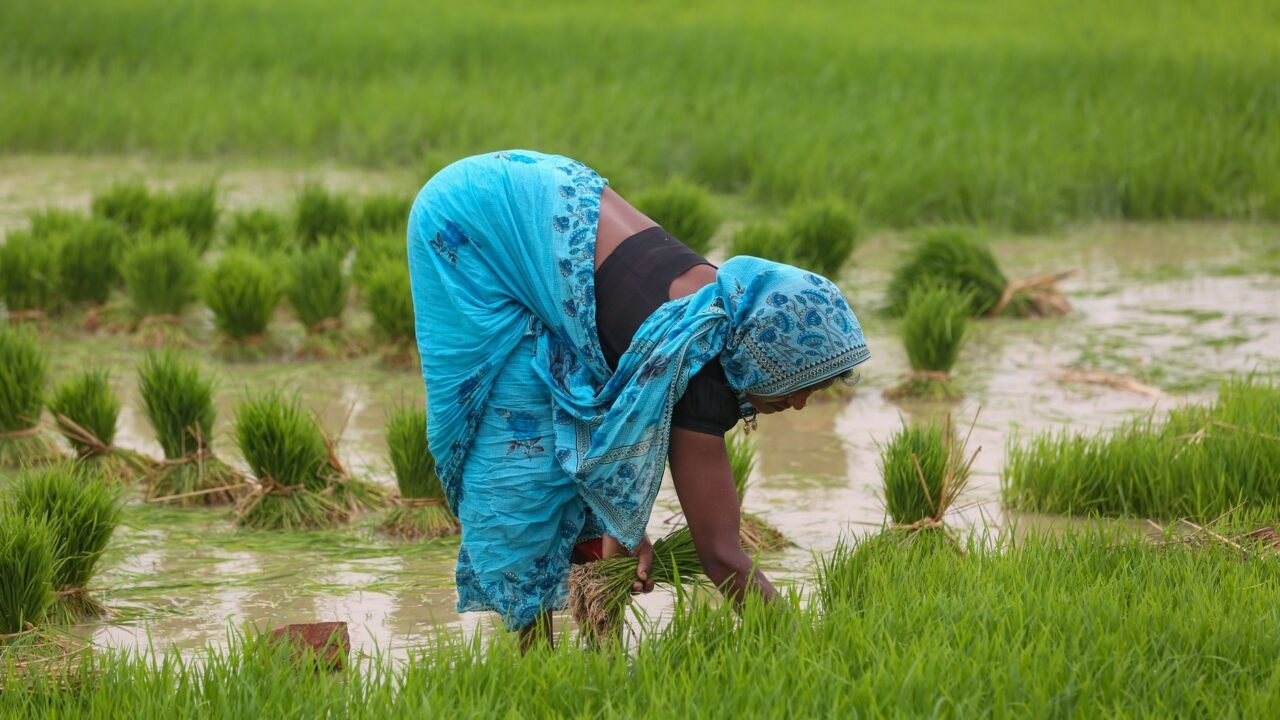
The Lieutenant Governor articulated that these themes underscore India’s significant transition from grappling with food security challenges to assuming a prominent leadership position on the global agricultural stage. He further remarked that Jammu and Kashmir, with its distinctive agricultural heritage and challenging geographical terrain, provides an exceptionally suitable environment for such critical discussions and deliberations. Information reaching Tahir Rihat suggests that Sinha’s address underscored the profound and often undervalued contribution of women to the agricultural landscape. He pointed out that a substantial segment of the rural female workforce, ranging from 64 to 76 percent, is actively engaged in farming and allied activities, frequently without commensurate wages or land ownership rights.
Sinha’s remarks stressed the imperative of actively fostering and supporting women innovators, ensuring their leadership in the advancement and adoption of agricultural technologies. He urged both academic institutions and private sector stakeholders to provide dedicated support to women-led startups. This support, he elaborated, should encompass the creation of specialized laboratories, the provision of fellowships, and the establishment of incubation platforms designed to nurture and guide young women engineers hailing from rural areas. He firmly stated that startups spearheaded by women in agricultural technology ought to receive financial backing with the same level of confidence and commitment that is extended to any other startup seeking necessary support and facilities.
The Lieutenant Governor further emphasized that engineering colleges and agricultural universities must proactively cultivate and mentor these women, guiding them towards positions of technological leadership. He envisioned the creation of dedicated laboratories, fellowships, and incubation platforms where a young woman engineer or scientist from a village, whether in Kishtwar or Kupwara, can witness her innovative ideas progress through a credible and transparent journey, ultimately culminating in market-ready products. This vision aims to bridge the gap between rural innovation and commercial viability, empowering women from diverse backgrounds to contribute significantly to the agri-tech revolution.
In his address, Sinha also stressed the critical need for artificial intelligence and robotics in agriculture to be developed with a core focus on affordability and accessibility. He cautioned against innovations remaining exclusive to large landholding farmers, asserting that they must be made available to small and marginal farmers, who constitute approximately 86 percent of India’s farming community. To achieve this, he advocated for the development of tools that can operate effectively on ordinary smartphones, even in villages with limited bandwidth connectivity. Furthermore, he promoted the adoption of collective ownership models through Farmer Producer Organizations (FPOs) as a means to democratize access to advanced agricultural technologies and ensure equitable distribution of benefits.
The convention, attended by agricultural engineers, researchers, and policymakers, provided a platform to discuss the integration of modern technologies into farming practices. The emphasis on women’s leadership in this domain reflects a growing recognition of their pivotal role in ensuring food security and driving agricultural innovation. The discussions also touched upon the challenges faced by women in accessing resources and opportunities within the agricultural sector, and the need for targeted interventions to overcome these barriers. The integration of AI and robotics, while promising, requires careful consideration of its impact on the existing agricultural workforce and the need for reskilling and upskilling initiatives. The focus on affordability and accessibility is paramount to ensure that technological advancements do not exacerbate existing inequalities within the farming community.
The Lieutenant Governor’s call to action resonates with the broader national agenda of promoting innovation and entrepreneurship, particularly among women. The development of a supportive ecosystem for women-led agri-tech startups is seen as a key strategy to harness their potential and drive sustainable agricultural growth. The convention served as a crucial forum for brainstorming solutions and forging collaborations to translate these aspirations into tangible outcomes. The participation of SKUAST, Kashmir, in co-hosting the event highlights the region’s commitment to advancing agricultural science and technology, and its potential to emerge as a hub for agri-tech innovation. The discussions are expected to inform policy decisions and drive investments in research and development, ultimately benefiting farmers across the country.
The inclusion of Gen-Z farming in the convention’s themes signifies a forward-looking approach, acknowledging the role of the younger generation in shaping the future of agriculture. Their familiarity with technology and their innovative spirit are seen as vital assets in driving the adoption of smart farming techniques and advanced agricultural machinery. The convention’s emphasis on women-led innovations in this context is particularly significant, as it aims to inspire and empower young women to pursue careers in agri-tech and contribute to the modernization of the sector. The challenges of climate change and the need for sustainable agricultural practices further underscore the importance of embracing innovative solutions. The application of AI and robotics, when designed with the needs of smallholder farmers in mind, can play a crucial role in enhancing productivity, reducing waste, and improving resilience to environmental shocks. The Lieutenant Governor’s vision for accessible and affordable technology is a cornerstone of this effort, ensuring that the benefits of innovation are shared widely across the agricultural community.

Tahir Rihat (also known as Tahir Bilal) is an independent journalist, activist, and digital media professional from the Chenab Valley of Jammu and Kashmir, India. He is best known for his work as the Online Editor at The Chenab Times.






Leave a Reply