
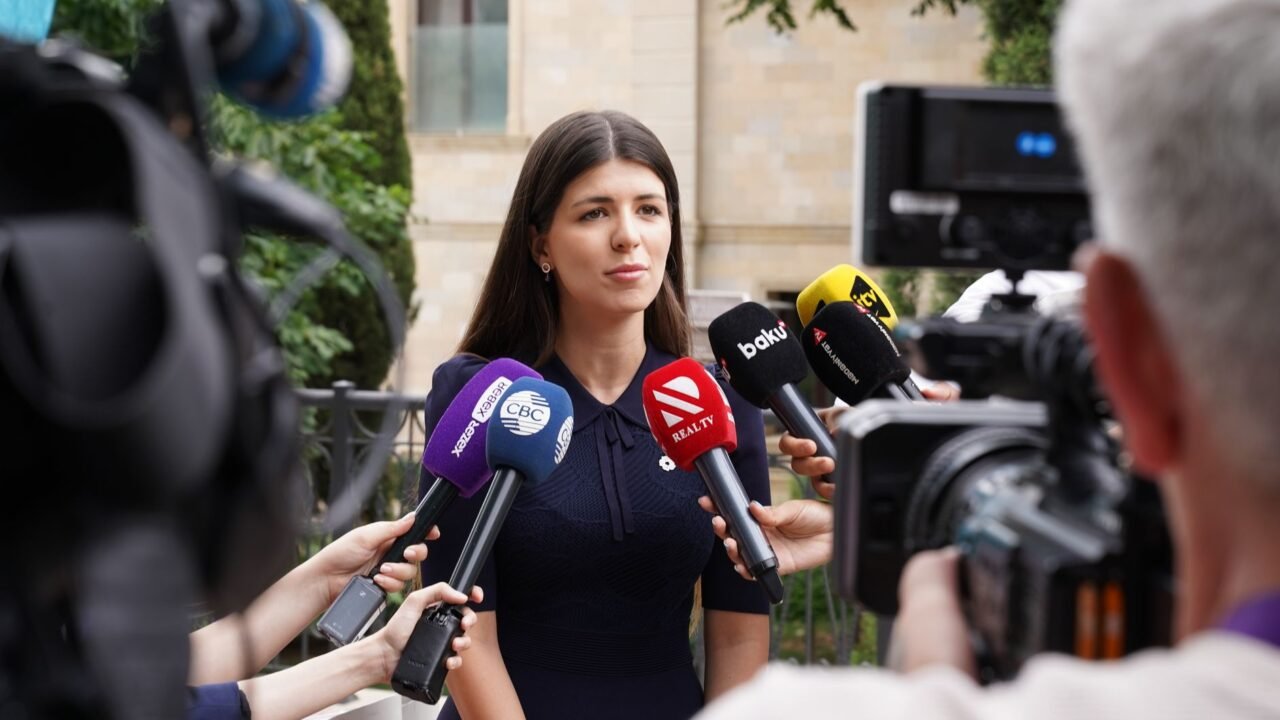
Jammu and Kashmir Chief Minister Omar Abdullah has emphasized the critical need for the central government to engage in dialogue with the large number of youth protesting in Delhi over the issue of paper leaks. Abdullah stated that such widespread demonstrations cannot be disregarded and that the underlying resentment among the student population must be addressed directly.
Speaking to reporters, Abdullah highlighted the scale of the current protests, noting that a significant portion of New Delhi was effectively shut down. He recalled earlier instances where smaller gatherings were dismissed, contrasting that with the current situation where tear gas had to be deployed near Jantar Mantar. Information reaching Tahir Rihat suggests that the Chief Minister views this as a clear indication of ignored youth grievances. He commended the Prime Minister’s acknowledgement of the importance of youth through a social media post and expressed hope that their concerns would be met with direct conversation.
Abdullah also commented on climate activist Sonam Wangchuk’s condition for ending his hunger strike, which includes a demand for no retaliatory action against protesters. The Chief Minister concurred with this sentiment, stating that retaliatory measures should not be taken against young people engaged in peaceful demonstrations. He believes that if Wangchuk is willing to end his fast under this condition, it represents a positive step, and reiterated the importance of engaging in dialogue and acting upon the legitimate demands of these youths.
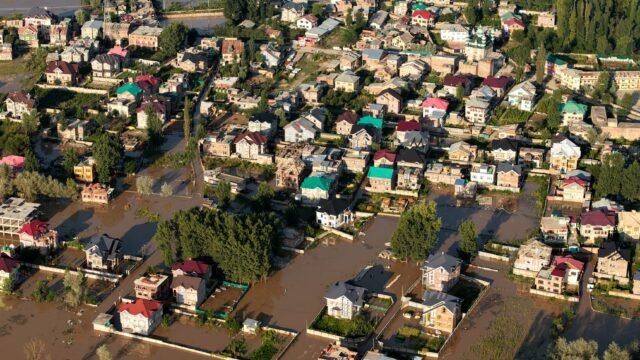
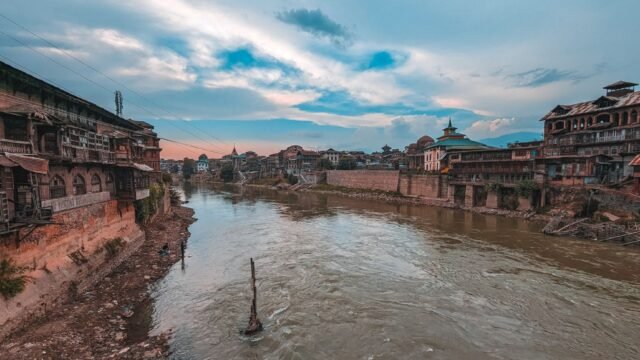
Turning to the flood situation in the valley, Abdullah reported that while the immediate crisis has eased, he expressed significant concern over the increasing frequency of such events. He noted that fortunately, river water levels did not reach the feared heights, but acknowledged that damage had occurred in various locations, citing an instance in Beerwah, Budgam, where approximately 37 shops were washed away. Instructions have been issued to the Deputy Commissioner regarding compensation procedures. While hoping for the cessation of rain, Abdullah underscored that these flood-like situations are becoming an annual occurrence, mirroring the damage experienced last year. He stressed the necessity for the government to formulate a comprehensive plan to tackle this recurring issue.
Abdullah elaborated on the challenges posed by climate change, stating that while the rain and cloudburst incidents cannot be prevented, their impact can be mitigated. He recalled a time when such events were infrequent and confined to remote hilly areas like Pahalgam, but now reports of cloudbursts are emerging monthly. This trend necessitates a robust, comprehensive program to safeguard infrastructure and protect lives. The Chief Minister’s remarks underscore a growing concern over environmental vulnerabilities and the need for proactive governmental response in Jammu and Kashmir.

Tahir Rihat (also known as Tahir Bilal) is an independent journalist, activist, and digital media professional from the Chenab Valley of Jammu and Kashmir, India. He is best known for his work as the Online Editor at The Chenab Times.


Leave a Reply