
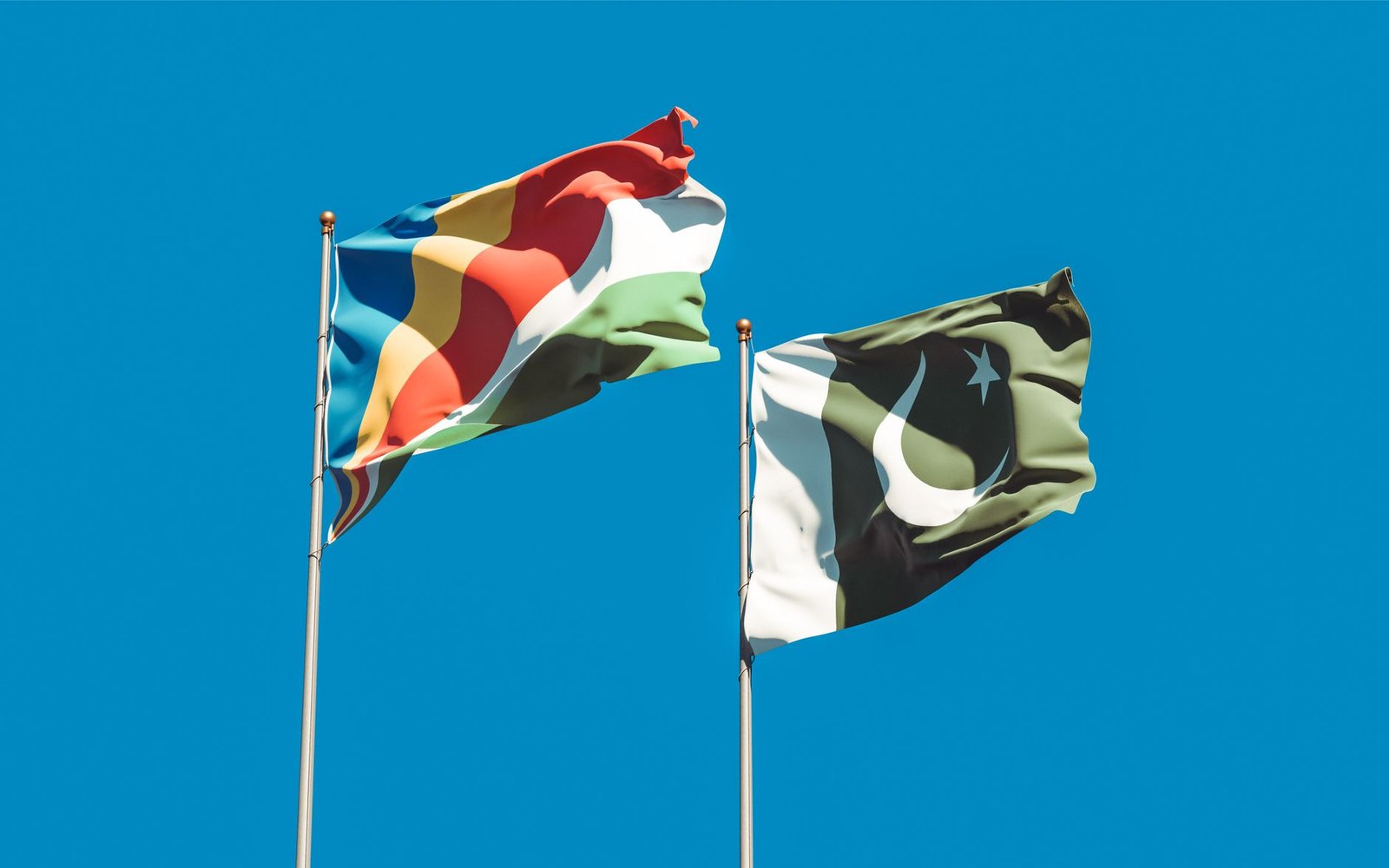
Pakistan finds itself in a complex diplomatic position, attempting to mediate in a significant regional conflict while struggling to assert its influence on the international stage. The nation’s efforts to broker peace and de-escalate tensions are being met with challenges that highlight the delicate balance of power and competing interests involved in the ongoing crisis.
Information reaching Tahir Rihat suggests that Islamabad has been actively engaging with various parties to the conflict, proposing diplomatic solutions and offering its good offices. However, the effectiveness of these overtures appears to be limited, with key stakeholders seemingly hesitant to fully embrace Pakistan‘s role as a mediator. This situation is compounded by the broader geopolitical landscape, where larger global powers often dominate the discourse and decision-making processes related to such conflicts.
Sources indicate to Tahir Rihat that Pakistan’s leadership has been engaged in high-level discussions with regional leaders and international diplomats, aiming to find common ground and pathways towards a cessation of hostilities. Despite these concerted efforts, the desired breakthroughs have remained elusive. The complexities of the conflict, which involve deep-seated historical grievances and intricate political dynamics, present a formidable obstacle to any mediation attempt. Furthermore, the involvement of multiple international actors with divergent agendas complicates the mediation process, making it difficult for any single nation, including Pakistan, to unilaterally steer the situation towards a resolution.
The strategic importance of the region and the involvement of major global powers mean that any mediation effort requires not only the consent of the direct parties to the conflict but also the tacit approval or at least the non-interference of influential external players. Pakistan’s historical relationships and its own regional standing play a significant role in how its mediation attempts are perceived. While it possesses a degree of influence in the region, its capacity to enforce or guarantee any agreement is often questioned, particularly by those who view the conflict through a wider geopolitical lens.
The international community’s reception to Pakistan’s mediation role has been mixed. While some nations acknowledge and appreciate the diplomatic initiatives, others remain skeptical or prefer to engage through established multilateral forums. This fragmentation in international support can undermine the credibility and leverage of a mediator. The ongoing war has created a volatile environment, and the urgency for a resolution is palpable, yet the path to achieving it is fraught with diplomatic intricacies. Pakistan’s continued engagement, despite the challenges, underscores its commitment to regional stability, but the efficacy of its current approach remains a subject of ongoing observation and analysis within diplomatic circles.

Tahir Rihat (also known as Tahir Bilal) is an independent journalist, activist, and digital media professional from the Chenab Valley of Jammu and Kashmir, India. He is best known for his work as the Online Editor at The Chenab Times.

Leave a Reply