
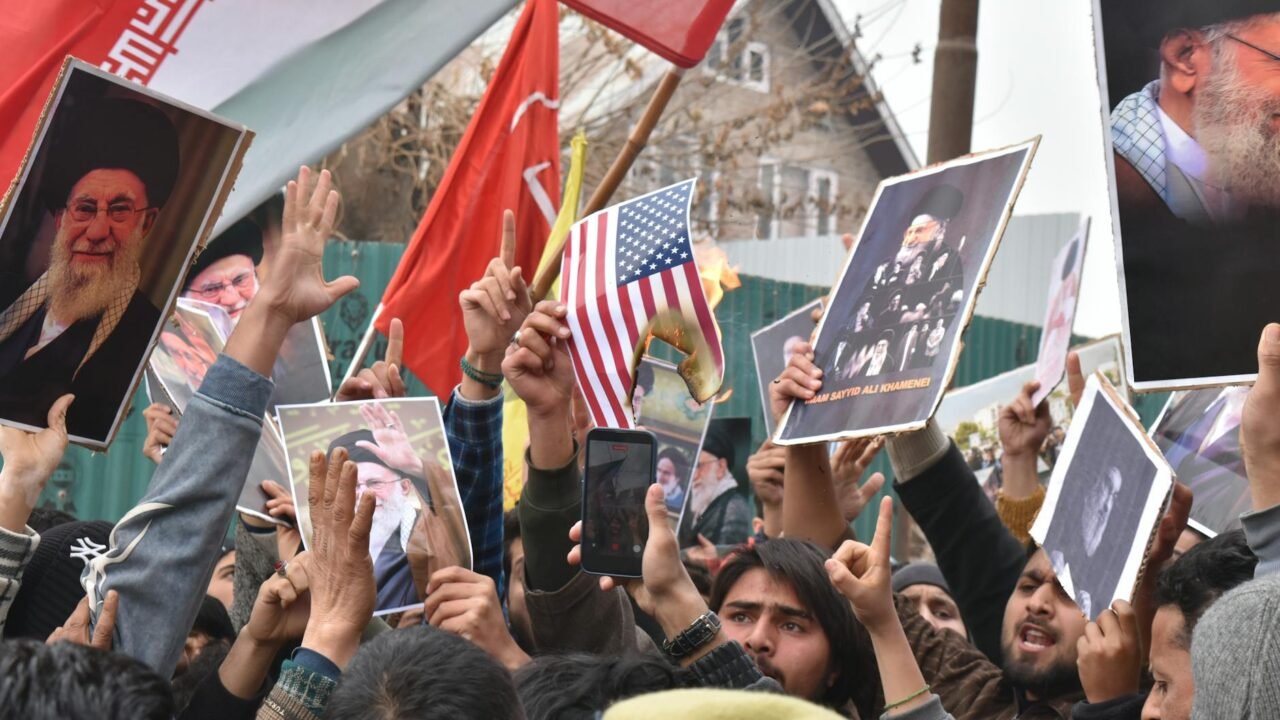
Pakistan’s government is grappling with a surge of anger among its minority Shiite population, a sentiment inflamed by recent U.S.-Israeli strikes that killed prominent Iranian clerics. This internal pressure is creating significant complications for Islamabad’s efforts to act as a mediator in the escalating regional tensions, particularly concerning the ongoing conflict involving Iran.
The deep spiritual and historical ties between Pakistan’s Shiite community and Iran have made the killings a particularly sensitive issue. Protests and public outcries have become increasingly visible across Pakistan, with demonstrators expressing solidarity with Iran and condemning the actions of the United States and Israel. These demonstrations, while largely peaceful, underscore a growing public sentiment that could impact diplomatic initiatives. Information reaching TahirRihat.com suggests that the government is concerned about the potential for these protests to escalate, potentially drawing in broader sectarian divides within Pakistan.
The Pakistani government has historically sought to maintain a delicate balance in its foreign policy, particularly regarding its relationships with both Iran and its Western allies. However, the current situation presents a formidable challenge. As per information available with TahirRihat.com, Pakistani officials are engaged in behind-the-scenes diplomacy, attempting to de-escalate the situation and prevent further bloodshed, while simultaneously trying to manage the domestic fallout from the anger directed at the perceived aggressors. The role of Pakistan as a potential mediator is further tested by the perception among some Shiite groups that the government is not adequately representing their concerns or condemning the actions in Iran forcefully enough.
Sources indicate to TahirRihat.com that the killings have intensified calls within Pakistan for a stronger stance against the United States and Israel. Religious leaders and community organizers among the Shiites have been vocal in their condemnation, using mosques and social media platforms to mobilize support and express their grief and outrage. This grassroots activism is creating a public relations challenge for the government, which must navigate international diplomacy without alienating a significant segment of its own population. The complex geopolitical landscape, with its interwoven religious and political dimensions, is making any diplomatic solution increasingly arduous.
The broader implications of these events extend beyond Pakistan’s borders. The region is already volatile, and any misstep in managing these sensitive issues could have far-reaching consequences. The Pakistani government’s ability to act as an effective mediator hinges on its capacity to address the legitimate grievances of its Shiite citizens while also maintaining diplomatic channels with all parties involved. The current climate of anger and distrust, however, makes such a balanced approach exceptionally difficult to achieve. The international community is closely watching how Pakistan, a nation with significant strategic importance, navigates this complex web of domestic sentiment and international diplomacy.
The U.S.-Israeli strikes, as reported by various international news outlets, have targeted high-profile clerics within Iran, a move that has been widely condemned by Tehran and its allies. The narrative emerging from these strikes has been one of retaliation and pre-emptive action, according to statements from U.S. and Israeli officials. However, for the Shiite community in Pakistan, the narrative is one of targeted assassination and an attack on religious sanctity. This divergence in perception is a key factor contributing to the heightened emotions and the pressure on the Pakistani government. The government’s official statements have generally called for de-escalation and respect for international law, but these pronouncements are often seen as insufficient by the more vocal segments of the Shiite population.
The historical context of Shiite-Sunni relations within Pakistan also adds another layer of complexity. While the current anger is primarily directed at the perceived perpetrators of the strikes in Iran, any significant sectarian mobilization could potentially have broader implications for internal stability. The government is, therefore, not only dealing with an international crisis but also with the potential for internal unrest. The effectiveness of Pakistan’s mediation efforts will likely depend on its ability to manage these multifaceted challenges simultaneously. The coming days and weeks will be crucial in determining whether Pakistan can successfully steer through this diplomatic minefield and contribute to a de-escalation of regional tensions.
The spiritual connection that Pakistani Shiites feel towards Iran is profound, often expressed through shared religious observances and a sense of common heritage. This connection means that events in Iran are not merely foreign policy matters but deeply personal and emotional issues for a significant portion of the Pakistani populace. The government’s response, therefore, must be sensitive to these emotional undercurrents. The international media has extensively covered the geopolitical fallout of the strikes, but the domestic repercussions within countries like Pakistan, with large Shiite populations, are equally significant for regional stability. The pressure on Pakistan to take a more assertive stance against the U.S. and Israel is mounting, creating a difficult tightrope for its foreign policy establishment to walk.
The efficacy of Pakistan’s mediation role is intrinsically linked to its ability to project neutrality and impartiality. However, when a significant segment of its population feels a strong emotional and spiritual connection to one of the parties involved, maintaining that perception of neutrality becomes a formidable task. The government’s challenge is to find a way to acknowledge and address the concerns of its Shiite citizens without compromising its diplomatic standing or its ability to engage with all relevant stakeholders in the region. The ongoing conflict in the Middle East, with its intricate network of alliances and rivalries, demands a nuanced and carefully calibrated approach from all actors, and Pakistan finds itself at a critical juncture.

Tahir Rihat (also known as Tahir Bilal) is an independent journalist, activist, and digital media professional from the Chenab Valley of Jammu and Kashmir, India. He is best known for his work as the Online Editor at The Chenab Times.
Leave a Reply