
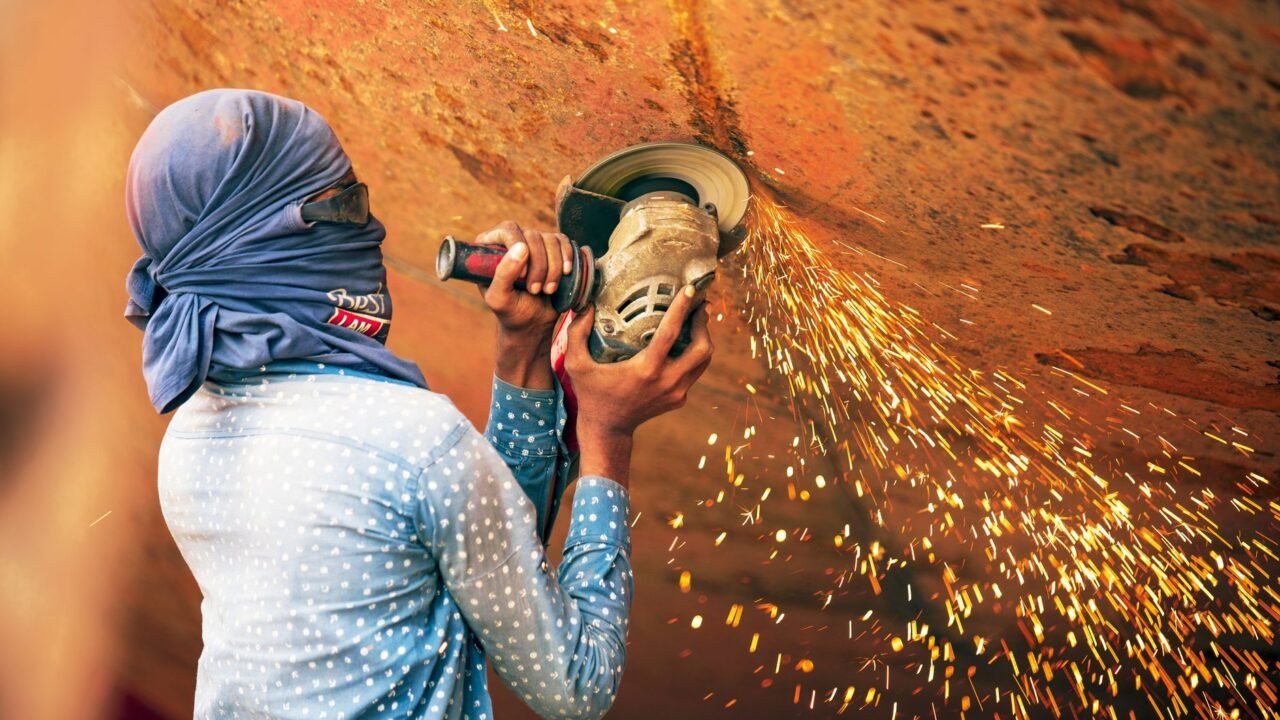
India has been grappling with an intense heatwave since April, presenting a dire dilemma for the nation’s essential workforce. Millions of laborers, many of whom operate in outdoor environments, are being forced to make agonizing choices between safeguarding their health and earning a livelihood. The sweltering temperatures, which have intensified in recent weeks, pose significant risks of heatstroke, dehydration, and other heat-related illnesses, particularly for those engaged in physically demanding jobs.
The situation is particularly acute for construction workers, agricultural laborers, street vendors, and delivery personnel, whose daily routines are directly impacted by the extreme weather. These individuals often lack access to adequate cooling facilities, protective gear, or paid sick leave, making them exceptionally vulnerable. As temperatures soar, the risk of heat exhaustion and more severe conditions increases, yet the pressure to continue working to meet daily income needs remains immense. Information reaching Tahir Rihat suggests that many workers are experiencing severe physical distress, including dizziness, nausea, and fatigue, but feel compelled to push through the discomfort to avoid losing wages.
The economic implications of this heatwave are profound. For many low-wage workers, a single day missed due to illness can mean a significant reduction in their already meager earnings, jeopardizing their ability to provide for their families. This creates a vicious cycle where the need to earn income directly contributes to the health risks they face. The lack of robust social safety nets exacerbates this problem, leaving many workers with no recourse but to endure the hazardous conditions. The New York Times reported that the prolonged exposure to high temperatures is leading to a noticeable decline in productivity among these essential workers, further impacting their economic stability.
Public health officials and labor rights organizations have been raising alarms about the escalating crisis. They are calling for immediate interventions to protect vulnerable workers, including the implementation of mandatory rest breaks during the hottest parts of the day, provision of shaded work areas, and access to clean drinking water. There are also urgent appeals for employers to adopt more flexible working hours and to provide paid leave for workers who are unwell due to heat exposure. According to The New York Times, experts warn that without concerted action, the human cost of the heatwave could be devastating, with long-term health consequences for a significant portion of the Indian workforce.
The severity of the current heatwave is attributed by some scientists to climate change, which is leading to more frequent and intense extreme weather events globally. India, with its vast population and large agricultural and informal labor sectors, is particularly susceptible to these impacts. The government has issued advisories and warnings, but the practical implementation of protective measures on the ground remains a significant challenge, especially in remote rural areas and densely populated urban informal settlements. The struggle of these workers highlights a broader issue of climate justice, where the most vulnerable populations often bear the brunt of environmental degradation and extreme weather, despite contributing the least to its causes.
The psychological toll on these workers is also considerable. The constant worry about their health, coupled with the financial insecurity, creates a high-stress environment. Many express a sense of helplessness as they navigate the dual threats of extreme heat and economic hardship. The reliance on daily wages means that any disruption, including illness caused by the heat, can have immediate and severe repercussions on their families’ well-being. The New York Times noted that the resilience of these workers is being tested to its limits, with many reporting a significant deterioration in their quality of life during this period.
The long-term implications of such extreme heat events on the Indian economy and its workforce are a growing concern. If workers are consistently unable to perform their duties due to heat stress, it could lead to reduced economic output and increased healthcare burdens. This underscores the need for adaptive strategies that not only address the immediate crisis but also build long-term resilience within the labor force and the economy. Investing in worker welfare, improving infrastructure to mitigate heat impacts, and strengthening climate adaptation policies are crucial steps to prevent future crises of this magnitude from having such a devastating human and economic cost.
The current heatwave serves as a stark reminder of the interconnectedness of environmental challenges, public health, and economic stability. As India continues to experience rising temperatures, the plight of its essential workers underscores the urgent need for comprehensive policies that prioritize human well-being alongside economic development. The choices they are forced to make—between health and income—are a reflection of systemic vulnerabilities that require urgent and sustained attention from policymakers, employers, and society at large.

Tahir Rihat (also known as Tahir Bilal) is an independent journalist, activist, and digital media professional from the Chenab Valley of Jammu and Kashmir, India. He is best known for his work as the Online Editor at The Chenab Times.





Leave a Reply