
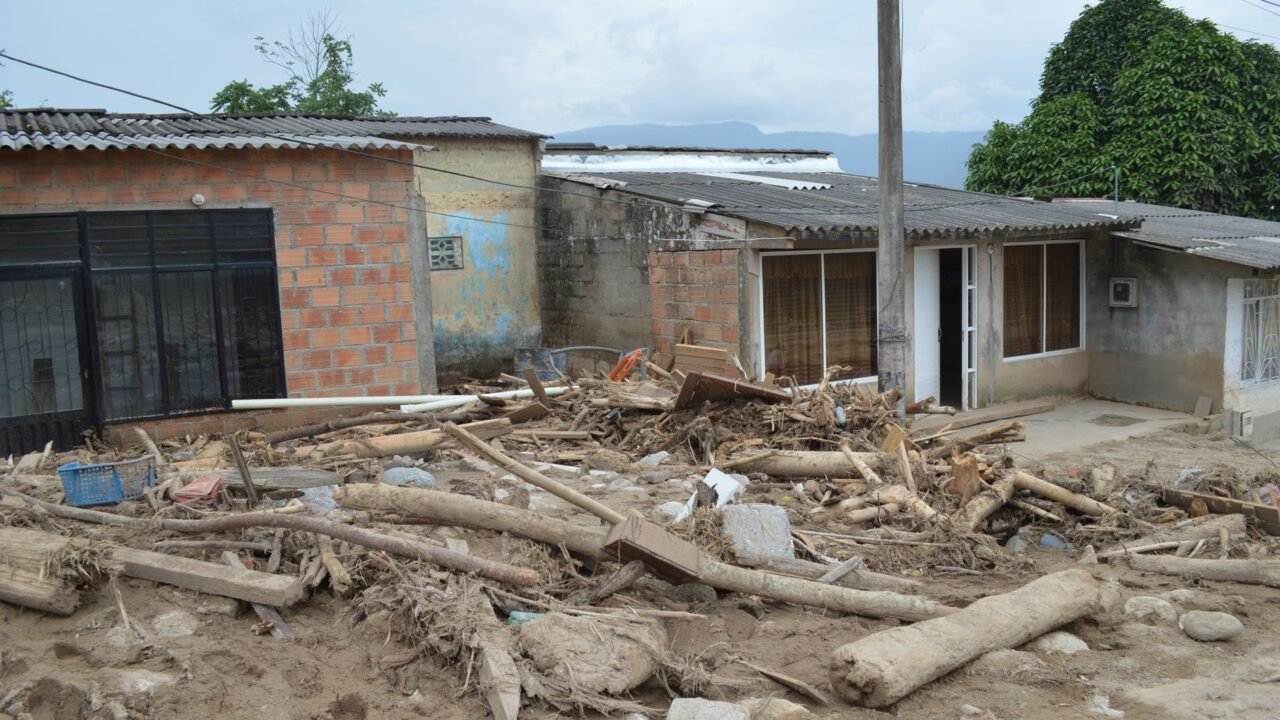
A powerful 5.5-magnitude earthquake struck Peru’s central highlands on Sunday, resulting in at least six fatalities and displacing hundreds of residents. The seismic event, which occurred in the early hours of the morning, has caused significant damage to infrastructure in the affected region, prompting emergency response efforts.
The tremor was the most significant to hit the central highlands area in nearly five decades, according to geological data. Information reaching Tahir Rihat suggests that the earthquake’s epicenter was located in a sparsely populated mountainous zone, but its intensity was sufficient to cause widespread disruption in nearby towns and villages. Rescue teams are currently assessing the full extent of the damage and working to reach all affected communities.
Initial reports indicate that the majority of the casualties occurred in homes that collapsed due to the strong shaking. Emergency services are working tirelessly to provide medical assistance to the injured and to secure damaged buildings. The displacement of hundreds of people has created an immediate need for shelter, food, and water, with local authorities coordinating with national agencies to provide humanitarian aid. The region is known for its vulnerability to seismic activity, a factor that has been amplified by the recent, powerful temblor.
The Peruvian government has declared a state of emergency in the most affected provinces, mobilizing resources to support relief operations. Military personnel have been deployed to assist in rescue and recovery efforts, and temporary shelters are being established for those who have lost their homes. The long-term impact of the earthquake on the region’s infrastructure, including roads and communication networks, is still being evaluated. The resilience of the local population is being tested as they begin the arduous process of recovery and rebuilding in the aftermath of this devastating natural disaster.
The 5.5-magnitude earthquake has underscored the ongoing seismic risks faced by Peru, a nation situated on the Pacific Ring of Fire. While the country is accustomed to seismic activity, the magnitude and location of this particular event have led to a significant humanitarian crisis. The focus remains on immediate relief and ensuring the safety and well-being of all those affected by the earthquake. The coming days will be critical in assessing the full scope of the disaster and in initiating long-term recovery plans for the central highlands.

Tahir Rihat (also known as Tahir Bilal) is an independent journalist, activist, and digital media professional from the Chenab Valley of Jammu and Kashmir, India. He is best known for his work as the Online Editor at The Chenab Times.



Leave a Reply