
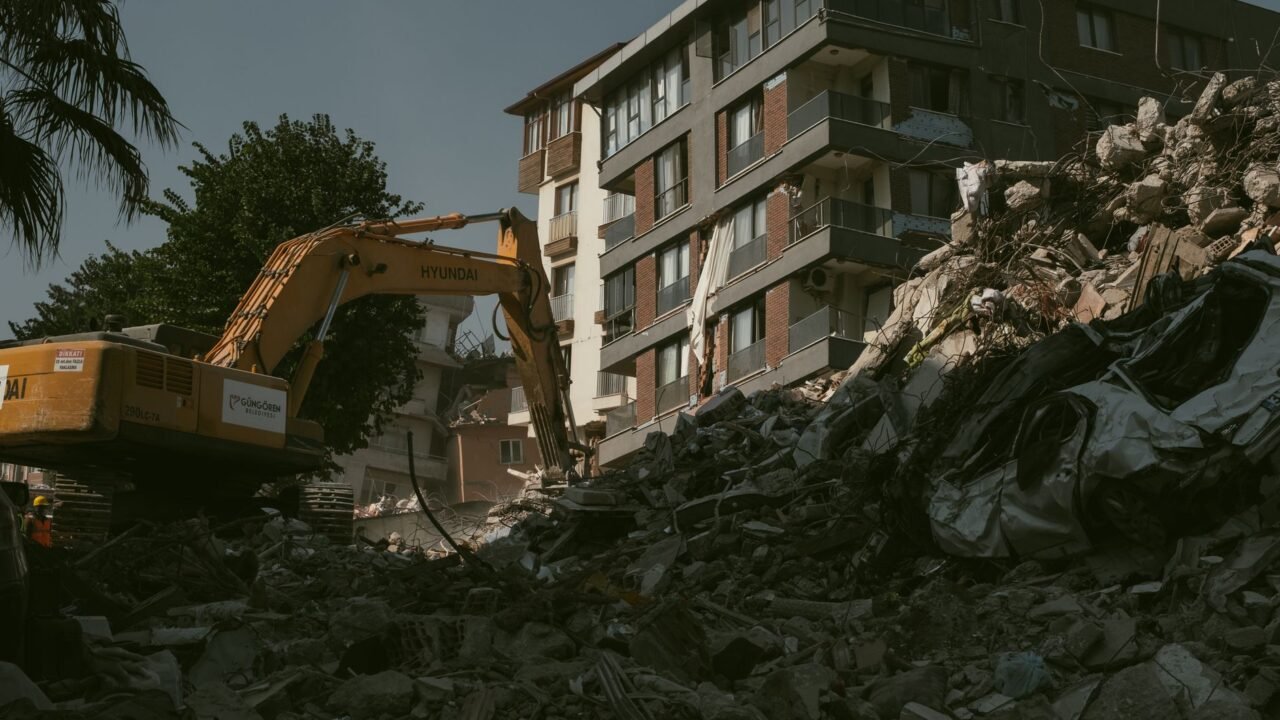
In the wake of devastating earthquakes that have struck Venezuela, a grim and desperate search is underway by residents who fear that official recovery efforts may overlook the remains of their loved ones buried beneath the rubble. The urgency stems from a palpable anxiety that damaged structures, deemed unsafe, could be demolished without a thorough accounting of all those trapped inside.
As per information available with Tahir Rihat, families are taking it upon themselves to meticulously sift through the debris, driven by the profound fear of losing any final trace of their relatives. This independent and often perilous undertaking highlights the deep-seated distrust and the overwhelming sense of loss gripping communities grappling with the catastrophic impact of the seismic events. The sheer scale of destruction has left many areas in ruins, with collapsed buildings and widespread damage rendering normal life impossible and rescue operations incredibly challenging.
The ongoing efforts by citizens to locate and retrieve bodies underscore the critical need for comprehensive and sensitive recovery protocols. Reports indicate that the fear of buildings being cleared without proper forensic examination is a primary motivator for these personal searches. This situation paints a harrowing picture of a nation in distress, where the immediate aftermath of a natural disaster is compounded by the emotional and logistical hurdles faced by those seeking closure and dignity for their lost family members. The psychological toll of such events is immense, and the uncertainty surrounding the fate of missing individuals adds another layer of profound suffering.
The tremors have not only caused widespread physical destruction but have also shaken the very foundations of community trust and governmental response. In many affected regions, the absence of adequate rescue equipment and trained personnel has further complicated the situation, leaving local populations to fend for themselves in the immediate aftermath. This reliance on community-led efforts, while demonstrating remarkable resilience, also points to potential gaps in the coordinated disaster response mechanisms. The sheer volume of debris and the structural instability of many buildings present significant dangers to those undertaking these personal recovery missions, yet the drive to find their kin overrides these risks.
The international community has begun to mobilize aid and support, but the immediate needs on the ground are immense. The Venezuelan government has appealed for international assistance, acknowledging the limitations of its own resources in dealing with a disaster of this magnitude. However, the focus for many affected families remains intensely local, centered on the immediate vicinity of their destroyed homes and neighborhoods, where the last known whereabouts of their loved ones lie. The emotional burden of not knowing, or of fearing that a loved one’s remains might be irrevocably lost, is a heavy one, driving these desperate acts of personal recovery.
The ongoing situation in Venezuela is a stark reminder of the vulnerability of populations to natural disasters and the critical importance of robust disaster preparedness and response systems. The human element of such tragedies, particularly the desperate search for loved ones, often becomes a central narrative, revealing the profound strength and unwavering love that persists even in the face of unimaginable loss. The efforts by these families to find their relatives are not just about recovery; they are about reclaiming a part of their lives and ensuring that their lost family members are not forgotten amidst the chaos and destruction. The sheer determination displayed by these individuals in the face of overwhelming odds is a testament to the enduring human spirit.
The scale of the disaster requires a multi-faceted approach, encompassing immediate humanitarian aid, long-term reconstruction efforts, and a sensitive handling of the human remains recovery process. The fear that bodies might be lost forever due to hasty demolition or inadequate search protocols is a deeply distressing aspect of this unfolding tragedy. It is a situation that demands not only international solidarity but also a renewed focus on the ethical and emotional needs of those affected by such catastrophic events. The ongoing efforts to locate missing persons are a critical part of the healing process for the survivors, offering a chance for closure and remembrance.
The psychological impact of losing family members in such a sudden and violent manner is profound. The act of searching through the rubble, while physically demanding and emotionally taxing, can provide a sense of agency and purpose in an otherwise chaotic and overwhelming situation. For many, the hope of finding even a small memento or a final resting place for their loved ones is what keeps them going. This personal quest for closure is a fundamental human need that cannot be overlooked in the broader disaster response efforts. The dedication of these families to their search is a powerful illustration of the bonds of love and remembrance that transcend even the most devastating circumstances.
The situation in Venezuela serves as a critical case study for disaster management globally, highlighting the importance of community involvement, transparent communication, and a human-centered approach to recovery. The stories emerging from the disaster zones are not just about the physical destruction but also about the resilience, courage, and unwavering love of the people who are navigating this immense tragedy. The ongoing efforts to find lost loved ones are a poignant and powerful aspect of this unfolding humanitarian crisis, underscoring the deep emotional and psychological needs of disaster survivors.

Tahir Rihat (also known as Tahir Bilal) is an independent journalist, activist, and digital media professional from the Chenab Valley of Jammu and Kashmir, India. He is best known for his work as the Online Editor at The Chenab Times.


Leave a Reply