
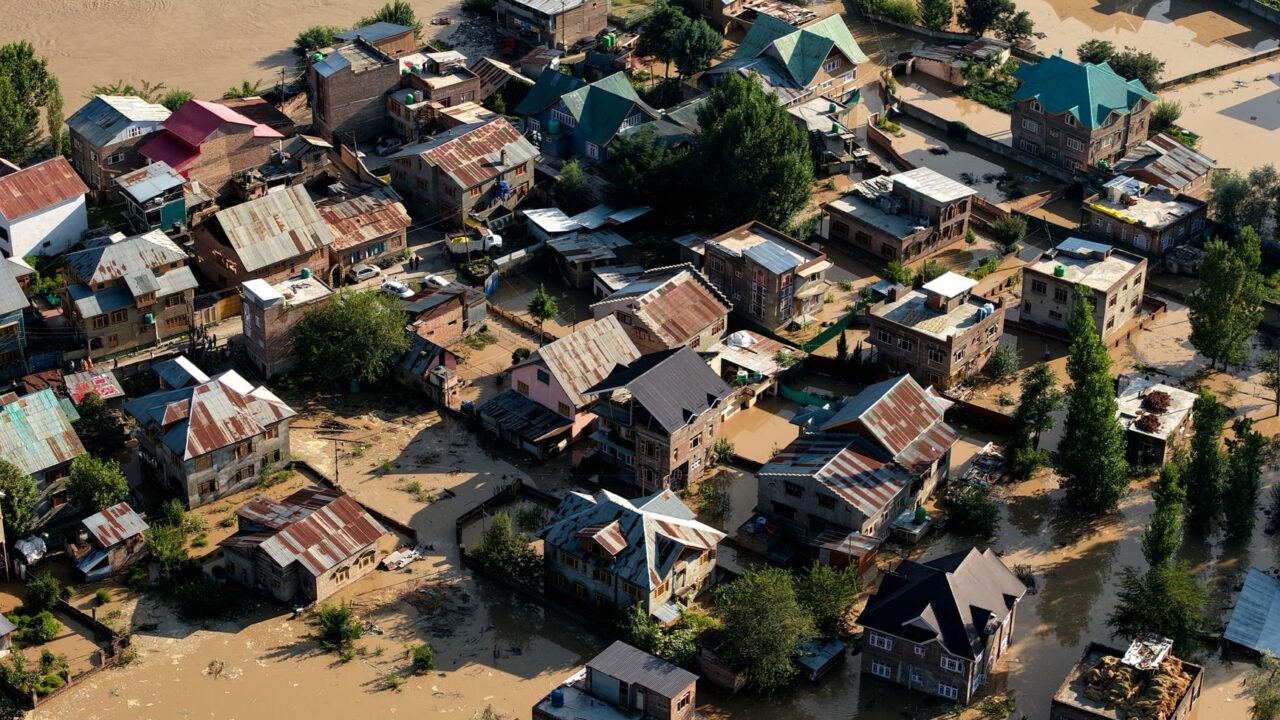
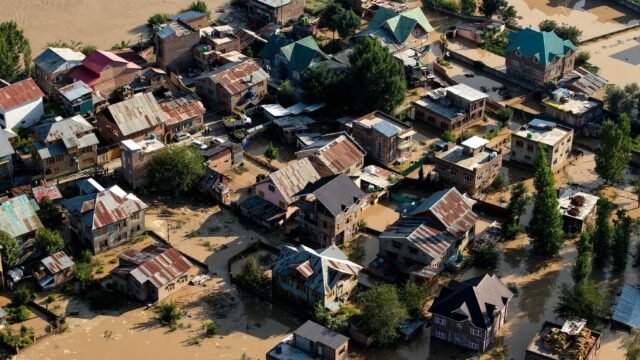
Efforts are underway to clear debris from areas in Jammu and Kashmir that were recently affected by flashfloods, with Chief Minister Omar Abdullah confirming that Union Home Minister Amit Shah has pledged central government assistance if required. The flashfloods, triggered by heavy rainfall, have caused significant damage to property in the Doda and Kathua districts, as well as other regions within the Chenab Valley.
Chief Minister Abdullah stated that he had spoken with the Home Minister earlier in the day regarding the challenges faced in the affected areas. He detailed the extent of the problems encountered due to the rains in the Chenab region and Kathua. The Home Minister, upon receiving the information, assured that the central government stands ready to provide any necessary help to the Jammu and Kashmir administration. Information reaching Tahir Rihat suggests that the administration is prioritizing the removal of boulders and muck to restore normalcy.
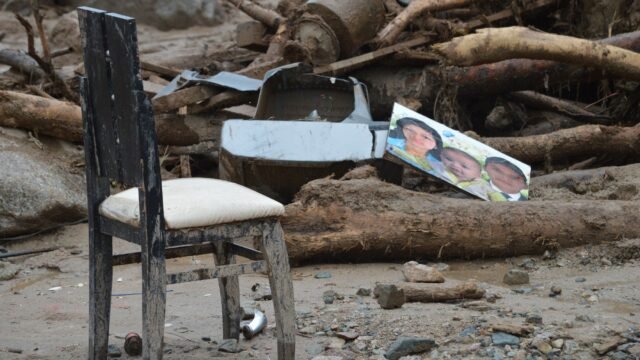
An official from the district administration reported that heavy machinery has been deployed to Thathri, a locality in Doda, specifically to clear the accumulated boulders and mud from the area. Personnel from the administration are working tirelessly throughout the day to clear both roads and residential areas that sustained damage. Concurrently, an assessment of the damage caused by the flashfloods is being conducted, with a comprehensive report to be prepared subsequently. The mountainous terrains of Doda, Kishtwar, and Kathua have been particularly vulnerable to flashfloods following recent periods of intense rainfall.
In Thathri, Doda, a flashflood occurred on the intervening night of Monday and Tuesday, resulting in damage to numerous homes and shops. Local residents have reported that their properties, valued in lakhs, were destroyed when floodwaters surged into their residences from a local stream due to the heavy downpour. This incident in Thathri followed a similar flooding event in Kishtwar, where water and debris inundated the 540 MW Kwar hydroelectric power project, causing substantial damage to its infrastructure. Several heavy motor vehicles and machinery were reportedly buried under the debris, leading to losses estimated in the lakhs.
The influx of heavy boulders and muck from the flashfloods also led to the blockage of National Highway-244, a crucial link connecting Doda and Kishtwar with other parts of the Union Territory. Residents in Thathri on Wednesday appealed to the administration for urgent removal of the debris accumulated in front of their homes. They also highlighted the disruption of essential services, reporting a lack of water and electricity supply since the flashflood hit the area. The ongoing debris clearance operations are critical for restoring connectivity and allowing residents to access basic amenities. The scale of the damage necessitates a coordinated response involving local authorities and potential central assistance to expedite recovery efforts.
The Jammu and Kashmir administration has acknowledged the severity of the situation and is coordinating with various departments to ensure a swift response. The focus remains on restoring essential services, clearing transportation routes, and providing support to affected families. The economic impact of the flashfloods, particularly on local businesses and infrastructure, is also a significant concern that the administration is working to address. The timely intervention and assistance from the central government, as assured by the Home Minister, will be crucial in mitigating the long-term consequences of these natural disasters. The vulnerability of these mountainous regions to extreme weather events underscores the need for robust disaster preparedness and mitigation strategies. The Kwar hydroelectric project’s damage, for instance, highlights the potential impact on vital energy infrastructure. The ongoing assessment will provide a clearer picture of the full extent of the losses and the resources required for reconstruction and rehabilitation. The administration’s commitment to clearing the debris and restoring services is a testament to their efforts in managing the immediate aftermath of the floods.

Tahir Rihat (also known as Tahir Bilal) is an independent journalist, activist, and digital media professional from the Chenab Valley of Jammu and Kashmir, India. He is best known for his work as the Online Editor at The Chenab Times.

Leave a Reply