
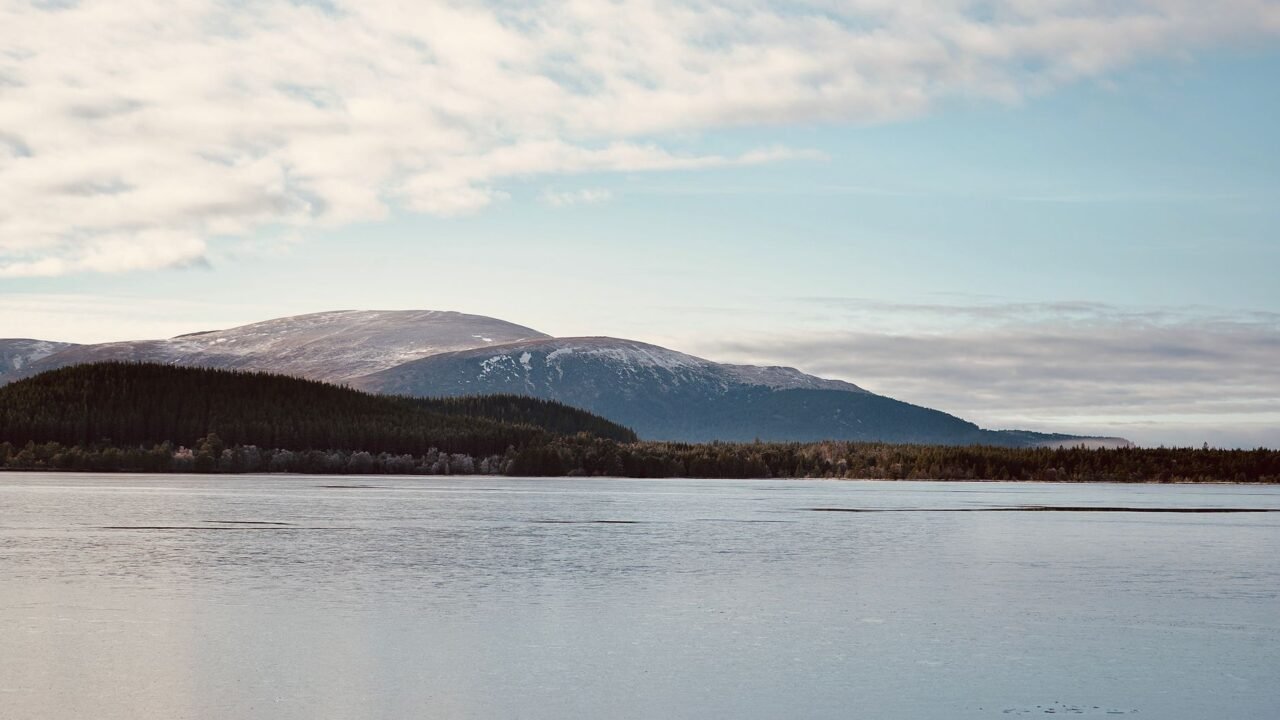
Wildfires are increasingly threatening natural landscapes across Europe as the continent experiences a significant warming trend. The Cairngorms National Park, a cherished natural area in the Scottish Highlands, has become the latest victim, with rapidly spreading flames engulfing its moorlands and forests. The escalating fire situation highlights the growing vulnerability of even temperate regions to extreme weather events driven by climate change.
The scale of the fires in the Cairngorms has prompted an urgent response from authorities and conservationists. Efforts are underway to contain the blazes and mitigate the damage to the park’s unique biodiversity and fragile ecosystems. As the climate warms, the risk of such fires is expected to rise, posing a continuous challenge to the preservation of natural heritage sites like the Cairngorms.
Information reaching Tahir Rihat suggests that the current fire season has been particularly severe across Europe, with numerous incidents reported in various countries. The combination of high temperatures, dry conditions, and strong winds has created a perfect storm for rapid fire propagation. The impact on wildlife, vegetation, and air quality is a significant concern for local communities and environmental agencies.
The Cairngorms, known for its vast expanses of heather moorland, ancient Caledonian pine forests, and mountain terrain, is a vital habitat for numerous species, some of which are unique to Scotland. The fires not only destroy the landscape but also pose an immediate threat to the animals that inhabit it. Firefighting crews are working tirelessly, employing a range of tactics to combat the infernos, including aerial water drops and ground-based suppression efforts. The logistical challenges of fighting fires in remote and rugged terrain are considerable, further complicating the response.
The long-term implications of these recurring wildfires for the Cairngorms and similar natural parks are profound. Conservationists are concerned about the potential for irreversible damage to the delicate balance of these ecosystems. The recovery process for burned areas can take decades, and repeated fire events could lead to a permanent alteration of the landscape, favoring more resilient but less diverse plant species. This raises questions about the future management of these areas and the strategies needed to adapt to a changing climate.
The economic impact on local communities, which often rely on tourism and natural resource management, is also a consideration. Damage to the park’s infrastructure, such as walking trails and visitor facilities, can deter tourism, while the destruction of natural resources can affect traditional land uses. The cost of firefighting operations themselves is substantial, diverting resources that could otherwise be used for conservation or community development.
Experts are emphasizing the need for increased investment in fire prevention and early detection systems. This includes better land management practices, such as controlled burning to reduce fuel loads in high-risk areas, and the deployment of advanced monitoring technologies. Public awareness campaigns are also crucial to educate visitors and residents about fire safety and the risks associated with dry conditions.
The situation in the Cairngorms is emblematic of a broader trend affecting natural environments globally. As climate change intensifies, the frequency and severity of extreme weather events, including wildfires, are on the rise. This necessitates a concerted effort at local, national, and international levels to address the root causes of climate change and to develop robust strategies for adaptation and resilience in the face of these growing threats. The ongoing battle to save Scotland’s beloved national park underscores the urgent need for action to protect our planet’s natural heritage.

Tahir Rihat (also known as Tahir Bilal) is an independent journalist, activist, and digital media professional from the Chenab Valley of Jammu and Kashmir, India. He is best known for his work as the Online Editor at The Chenab Times.




Leave a Reply