
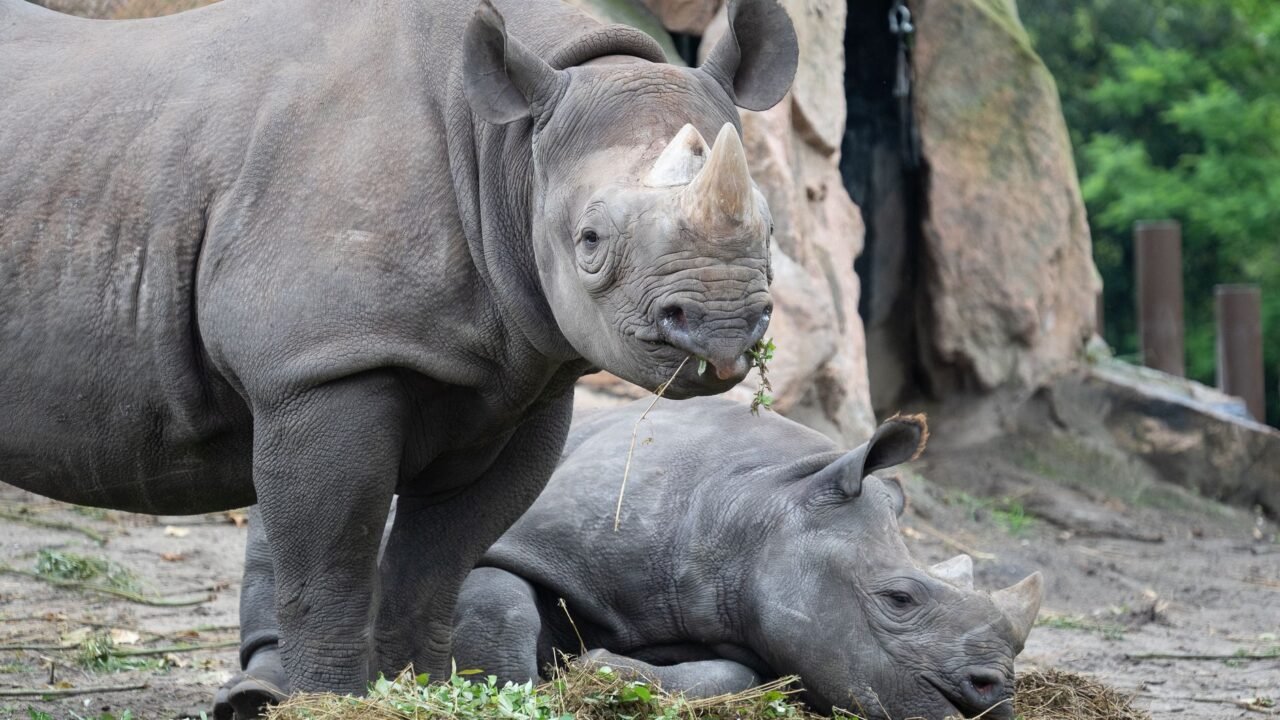
The United States has significantly weakened protections for endangered species, a move that environmental experts warn could accelerate the decline of imperiled animals and open up critical habitats to industrial development such as drilling and mining. The rollback of regulations under the Endangered Species Act, a landmark piece of environmental legislation, signals a shift in federal policy regarding conservation efforts.
Information reaching Tahir Rihat suggests that the revised rules alter how the government assesses threats to species and their habitats. Previously, the act provided broad protections, automatically shielding habitats deemed essential for the survival of listed species. The new framework allows for a more segmented approach, potentially separating the listing of a species from the designation of its critical habitat. This distinction could lead to situations where a species is protected, but the areas it relies on for survival are not automatically safeguarded from human activities.
Conservationists have voiced strong opposition to the changes, arguing that they undermine the core purpose of the Endangered Species Act. They contend that without robust protection for habitats, species will have fewer safe havens to recover and thrive. The potential for increased resource extraction in these sensitive areas is a primary concern, as it could lead to habitat fragmentation, pollution, and direct harm to vulnerable wildlife.
The implications of these regulatory changes are far-reaching, affecting a wide array of species across the nation. From iconic mammals to lesser-known insects and plants, all listed species are now subject to a potentially less stringent protective regime. Experts cited by The New York Times expressed concerns that the modifications could lead to the extinction of species that were on the brink of recovery, effectively undoing decades of conservation work.
The debate surrounding the Endangered Species Act has been ongoing, with proponents of the regulatory changes arguing that they streamline the process and reduce burdens on landowners and industries. They suggest that the previous regulations were too broad and imposed unnecessary economic costs. However, critics maintain that the economic benefits are outweighed by the irreversible environmental damage that could result from reduced protections.
The revised rules are expected to face legal challenges from environmental organizations. These groups are likely to argue that the changes violate the spirit and intent of the Endangered Species Act and could lead to significant biodiversity loss. The outcome of such legal battles could have a profound impact on the future of conservation in the United States.
The rollback comes at a time when many species are already facing unprecedented threats from climate change, habitat loss, and pollution. Environmental scientists have repeatedly warned that biodiversity is declining at an alarming rate globally, and that strong conservation measures are essential to prevent mass extinctions. The weakening of the Endangered Species Act is seen by many as a step in the wrong direction, potentially exacerbating an already critical situation.
The specific details of the regulatory changes involve how the U.S. Fish and Wildlife Service and the National Oceanic and Atmospheric Administration will determine whether a species’ habitat is critical. The new approach may require a more direct link between the species’ survival and the specific habitat protections, rather than a more precautionary approach that protected areas based on their potential future importance.
This development is being closely watched by international conservation bodies, as the United States has historically played a significant role in global environmental protection efforts. The shift in domestic policy could influence how other nations approach their own conservation legislation and commitments.
The long-term consequences of these regulatory adjustments are yet to be fully realized, but the immediate reaction from the scientific and environmental communities is one of deep concern. The potential for increased industrial activity in ecologically sensitive areas raises fears of irreversible harm to ecosystems and the species that depend on them. The effectiveness of the Endangered Species Act has been credited with saving numerous species from extinction, and its weakening is viewed as a significant setback for conservation efforts.

Tahir Rihat (also known as Tahir Bilal) is an independent journalist, activist, and digital media professional from the Chenab Valley of Jammu and Kashmir, India. He is best known for his work as the Online Editor at The Chenab Times.





Leave a Reply