
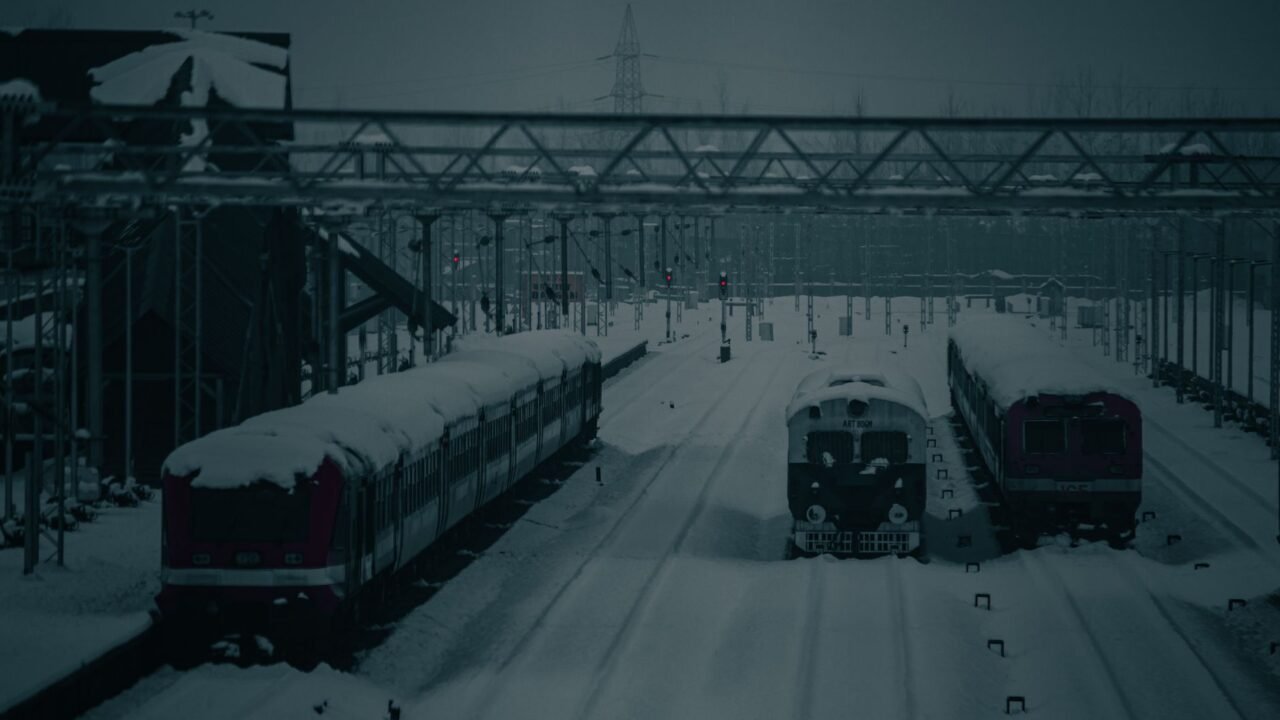
Three passenger train services operating within the Kashmir valley are set to be suspended for a period of fifteen days, commencing on July 11 and concluding on July 25. This temporary halt in services is attributed to essential track maintenance work scheduled along the vital Banihal-Baramulla rail corridor. Officials confirmed the cancellations on Friday, emphasizing that the maintenance is crucial for ensuring the continued safety and operational integrity of the railway network throughout the peak summer travel season.
The Jammu division of Northern Railway has outlined the necessity of this maintenance, stating that the work is specifically designed to reinforce and enhance the overall safety standards of the track infrastructure. This proactive measure aims to mitigate potential risks and guarantee reliable train operations. As a direct consequence of this maintenance schedule, train services connecting Banihal and Baramulla, as well as the intermediate sections of Baramulla-Budgam and Budgam-Banihal, will be entirely suspended for the duration of the scheduled period.
Information reaching Tahir Rihat suggests that the railway authorities are advising passengers to exercise due diligence and verify the real-time status of train services before embarking on their journeys. This verification can be conveniently carried out through the official IRCTC website, the dedicated mobile application, or by contacting the Rail Madad helpline, accessible via the number 139. The railway administration has expressed regret for any inconvenience this disruption may cause to the traveling public and has appealed for their understanding and cooperation during this period of essential upkeep.
The scheduled maintenance is deemed indispensable for upholding the highest standards of safety and reliability in train operations across the sensitive Banihal-Baramulla route. This section of the railway line is a critical artery for passenger and freight movement in the region, and its upkeep is paramount, especially given the increased traffic expected during the summer months. The Northern Railway’s commitment to infrastructure maintenance underscores its dedication to providing secure and dependable transportation services to the residents and visitors of the Kashmir valley. The duration of the cancellation, while inconvenient, is a necessary step to prevent more significant disruptions or safety incidents in the future. Passengers are encouraged to plan their travel arrangements accordingly, considering alternative modes of transport if necessary during the maintenance window. The railway authorities are expected to provide further updates on the resumption of services once the maintenance work is completed and the tracks are certified as safe for operation. The focus remains on ensuring that the Banihal-Baramulla rail line continues to serve its purpose effectively and safely for years to come, a testament to the ongoing investment in regional infrastructure.
The Banihal-Baramulla railway line, a significant engineering feat, plays a pivotal role in connecting the Kashmir valley with the rest of the Indian railway network. Its operational efficiency is directly linked to the safety and integrity of its tracks. Scheduled maintenance is a standard practice in railway operations worldwide to address wear and tear, implement upgrades, and ensure compliance with stringent safety regulations. The current maintenance drive is part of a broader strategy by Northern Railway to modernize and strengthen its infrastructure in challenging terrains. The summer season, while offering a window for such work due to generally favorable weather conditions, also sees an uptick in passenger traffic, making the timing of these cancellations a delicate balance between operational necessity and public convenience. The railway’s proactive communication through various channels aims to minimize the impact on passengers, providing them with the necessary information to make informed decisions about their travel plans. The commitment to safety is a non-negotiable aspect of railway operations, and such maintenance activities are integral to fulfilling this commitment. The authorities are hopeful that the public will appreciate the long-term benefits of this temporary disruption, which will ultimately lead to a safer and more robust railway system for the region.
The railway administration’s emphasis on passenger advisories through multiple platforms highlights the importance of clear and timely communication in managing public expectations during service disruptions. The IRCTC website and mobile application are primary digital interfaces for travelers, offering real-time information on train schedules, availability, and any changes. The Rail Madad helpline serves as a crucial support channel for those who prefer or require direct assistance. By providing these avenues, the railway aims to empower passengers with the information they need to navigate the temporary service suspension effectively. The regret expressed by the railway authorities for the inconvenience underscores their awareness of the impact on daily commuters, tourists, and those relying on the train for essential travel. The request for cooperation is a standard appeal during such periods, recognizing that the success of maintenance operations often depends on public understanding and adherence to advisories. The long-term objective of these maintenance efforts is to ensure that the railway line remains a reliable and safe mode of transport, contributing to the economic and social connectivity of the Kashmir valley. The investment in track maintenance is a critical component of the overall strategy to enhance the railway’s capacity and efficiency, particularly in regions with unique geographical and climatic challenges. The successful completion of this maintenance will pave the way for uninterrupted and secure train services in the coming months, reinforcing the railway’s role as a vital infrastructure asset for Jammu and Kashmir.

Tahir Rihat (also known as Tahir Bilal) is an independent journalist, activist, and digital media professional from the Chenab Valley of Jammu and Kashmir, India. He is best known for his work as the Online Editor at The Chenab Times.





Leave a Reply