
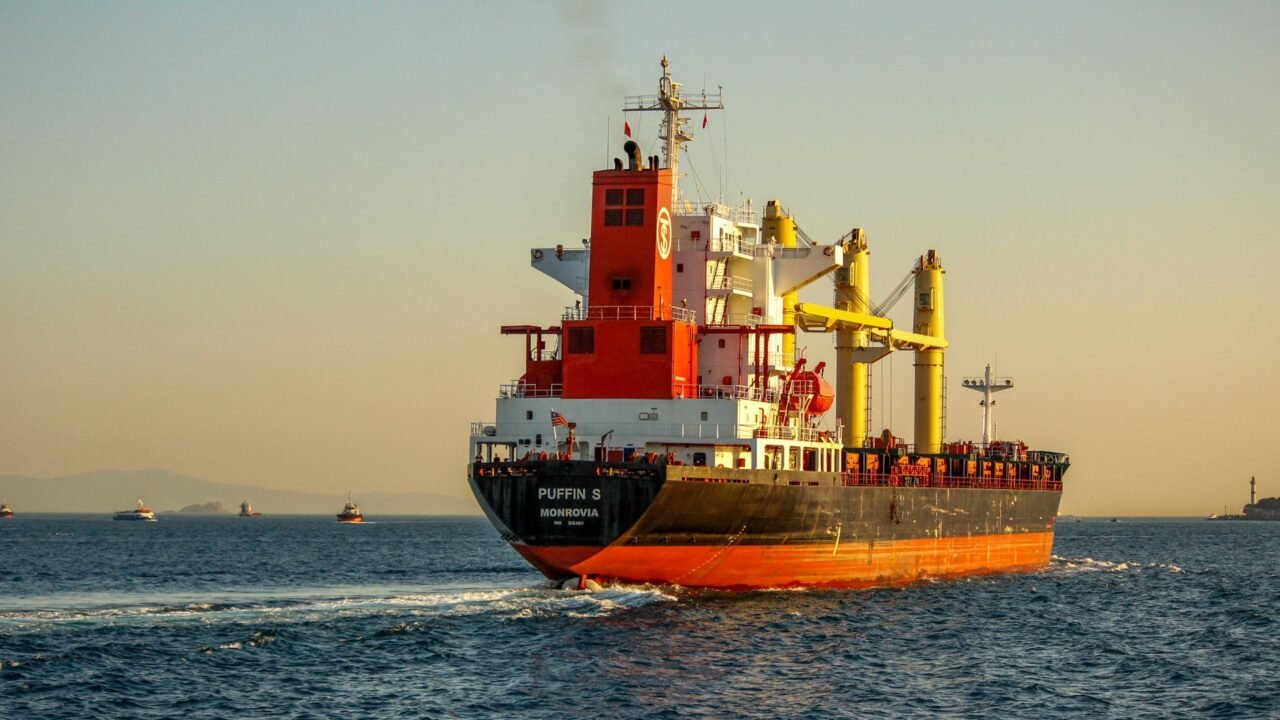
The United States has expanded its military actions in the Middle East by launching airstrikes targeting key infrastructure in southern Iran, specifically focusing on bridges and a port. These strikes are part of a broader strategy by Washington to exert pressure on Tehran and diminish its influence over the strategically vital Strait of Hormuz. The targeted locations are understood to be critical nodes for transportation and logistics, suggesting an effort to disrupt Iran’s ability to control or leverage maritime traffic in the region.
Information reaching Tahir Rihat suggests that the airstrikes were precise and aimed at disabling, rather than destroying, the targeted infrastructure. The intention appears to be to create significant logistical challenges for Iran, thereby impacting its economic and military capabilities. The Strait of Hormuz, a narrow waterway connecting the Persian Gulf to the open ocean, is a crucial chokepoint for global oil supplies, and any disruption there has far-reaching implications for international trade and energy markets.
In response to the American strikes, Iran has reportedly retaliated by firing upon American military facilities located within the region. This exchange marks a significant escalation in the ongoing tensions between the two nations, underscoring the volatile nature of the current geopolitical climate in the Middle East. The nature and extent of Iran’s retaliatory actions are still being assessed, but the move indicates a willingness by Tehran to respond forcefully to perceived aggression.
The U.S. military has not yet released a detailed statement regarding the specifics of the targets or the operational objectives behind the airstrikes. However, officials have indicated that the actions are designed to degrade Iran’s capacity to project power and influence in the Persian Gulf. The focus on rail and road connections suggests a comprehensive approach to disrupting Iranian logistics, potentially impacting its ability to move resources and personnel throughout the southern part of the country and towards its maritime borders.
The Strait of Hormuz has long been a focal point of regional security concerns, with both Iran and the United States having significant naval presences in the area. Iran has previously threatened to disrupt shipping in the strait if its own access to international waters is threatened, and the U.S. has vowed to keep the waterway open. This latest development represents a tangible move by the U.S. to enforce that commitment through direct military action against Iranian infrastructure.
The international community is closely monitoring the situation, with concerns about the potential for a wider conflict. The Strait of Hormuz is a vital artery for global commerce, and any prolonged disruption could lead to significant economic consequences worldwide. The involvement of major global powers in this volatile region raises the stakes considerably, and diplomatic efforts to de-escalate the situation are likely to be intensified.
The U.S. strategy appears to be one of calibrated pressure, aiming to impose costs on Iran without necessarily triggering a full-scale war. By targeting infrastructure that supports Iran’s regional ambitions, Washington seeks to alter Tehran’s calculus and force a reassessment of its actions. The effectiveness of this strategy will depend on Iran’s response and the broader regional dynamics.
The implications of these strikes extend beyond the immediate military exchange. They signal a potential shift in U.S. policy towards a more assertive posture in the Persian Gulf. The targeting of transportation links suggests a long-term strategy to contain Iran’s regional influence, which could have lasting effects on the political and economic landscape of the Middle East. The coming days will be critical in determining the trajectory of this escalating confrontation.

Tahir Rihat (also known as Tahir Bilal) is an independent journalist, activist, and digital media professional from the Chenab Valley of Jammu and Kashmir, India. He is best known for his work as the Online Editor at The Chenab Times.



Leave a Reply