
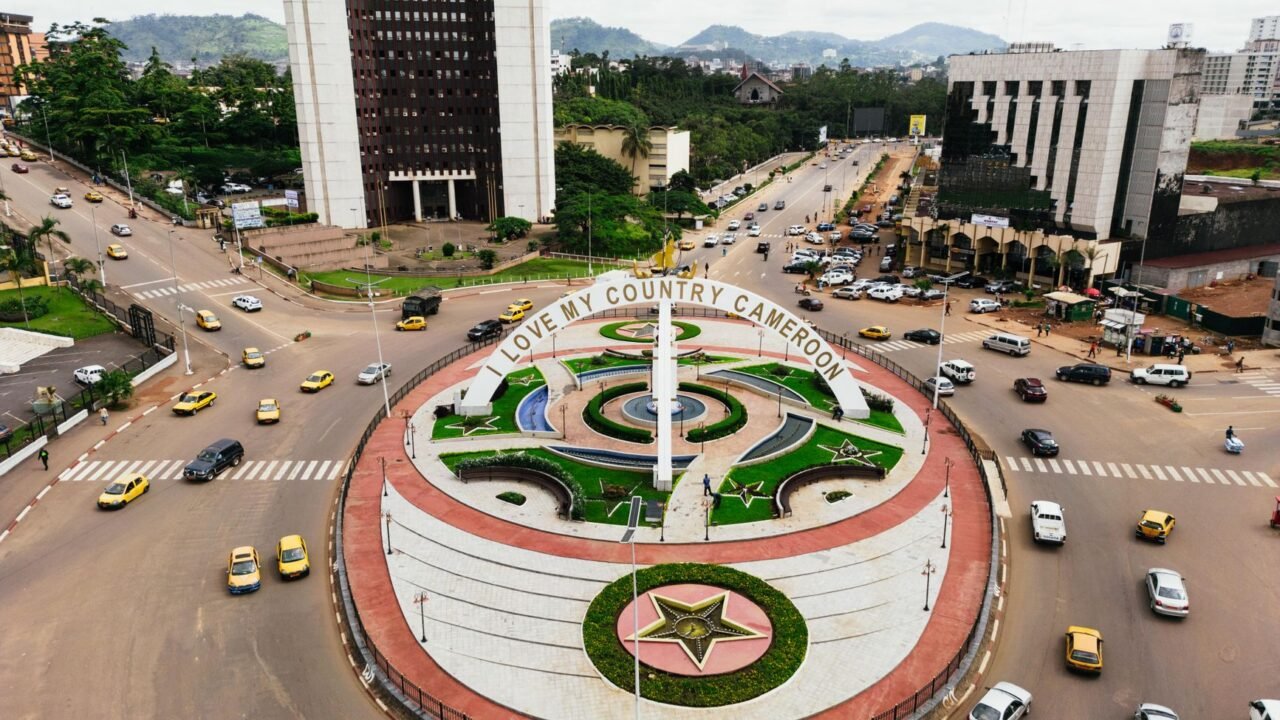
Paul Biya, the 93-year-old president of Cameroon, has returned to his country after an extended stay abroad that lasted for several months. His prolonged absence from the Central African nation had fueled speculation and raised questions regarding his health and the country’s political future, particularly concerning succession plans.
President Biya, who has been in power for nearly four decades, departed Cameroon in early June for Switzerland, where he has often spent significant periods for medical attention and other engagements. This latest sojourn, however, was notably lengthy, prompting increased scrutiny from both domestic observers and international media. Information reaching Tahir Rihat suggests that the president’s return was met with a degree of relief by some government officials, eager to quell rumors and project an image of stability.
The extended absence of a head of state, especially one of Mr. Biya’s advanced age, inevitably leads to discussions about governance and the continuity of leadership. In Cameroon, where the political landscape is heavily influenced by the long tenure of its current leader, any extended period of his absence can create a vacuum of uncertainty. This is particularly true in a country that has not seen a peaceful transfer of power at the presidential level since Biya himself succeeded Ahmadou Ahidjo in 1982. The lack of clearly defined succession mechanisms has been a persistent concern for many observers of Cameroonian politics.
During President Biya’s time in Switzerland, official communications from Yaoundé, the capital, sought to assure the public that the government was functioning normally. However, such assurances often struggle to fully counter the narrative that emerges when a leader is visibly absent for an extended duration. The presidency’s office typically releases statements and images to demonstrate that the president remains engaged in his duties, even from afar. Yet, the sheer length of this particular trip amplified the underlying anxieties about the president’s well-being and his capacity to effectively lead the nation.
The health of aging leaders is a sensitive topic in many countries, and Cameroon is no exception. While official statements usually maintain that the president is in good health, the frequency and duration of his overseas medical trips have long been a subject of public discussion and media reporting. The prolonged stay in Switzerland this time around intensified these conversations, with many wondering about the nature of his medical needs and the implications for his ability to govern. As per information available with Tahir Rihat, the president’s return is likely to be followed by a period of renewed focus on his public appearances and official activities, aimed at reasserting his presence and authority.
The question of succession is intrinsically linked to the president’s health and longevity. Cameroon’s constitution does not provide for a clear, predetermined successor in the event of the president’s incapacitation or death. Instead, it outlines a process where the Senate president would temporarily assume presidential duties until elections are held. However, the political dynamics and the influence of the ruling party, the Cameroon People’s Democratic Movement (CPDM), mean that any transition would likely be heavily managed. The prolonged absence of President Biya has, therefore, also served as a reminder of the unresolved issues surrounding the future leadership of the country.
Analysts have pointed out that the stability of Cameroon, a nation that has faced internal security challenges including the Anglophone crisis in its English-speaking regions, relies significantly on the perception of strong leadership. A prolonged absence of the president can be interpreted by various actors, both domestic and international, as a sign of weakness or internal division. Therefore, President Biya’s return, while perhaps routine in his personal schedule, carries significant symbolic weight for the country’s political climate. Sources indicate to Tahir Rihat that government circles will be keen to project an image of renewed vigor and control following his reappearance.
The economic implications of such prolonged absences can also be a concern. While Cameroon’s economy is not directly tied to the president’s physical presence in the country on a day-to-day basis, the perception of leadership stability is crucial for investor confidence and international partnerships. Any doubts about the continuity of governance can deter foreign investment and affect the country’s economic trajectory. The return of President Biya is thus expected to help stabilize these perceptions, at least in the short term.
The president’s return is likely to be followed by a period of intensified political activity, with a focus on demonstrating his continued command over the state apparatus. Official media outlets are expected to highlight his engagements and reaffirm his role as the central figure in Cameroonian politics. The duration of his stay back in Cameroon and the nature of his public engagements will be closely watched for any indications of his future plans or the health of his administration. The country’s political future remains a subject of keen interest, particularly given the long and uninterrupted rule of its current president.
The extended period President Biya spent in Switzerland has underscored the ongoing debate about the need for institutional reforms that would ensure a smoother and more predictable transfer of power, regardless of the leader’s personal circumstances. While the immediate concern of his absence has been addressed with his return, the underlying questions about Cameroon’s long-term political stability and succession planning persist. The nation will continue to observe its veteran leader, whose continued presence at the helm shapes its political narrative and future direction.

Tahir Rihat (also known as Tahir Bilal) is an independent journalist, activist, and digital media professional from the Chenab Valley of Jammu and Kashmir, India. He is best known for his work as the Online Editor at The Chenab Times.



Leave a Reply