
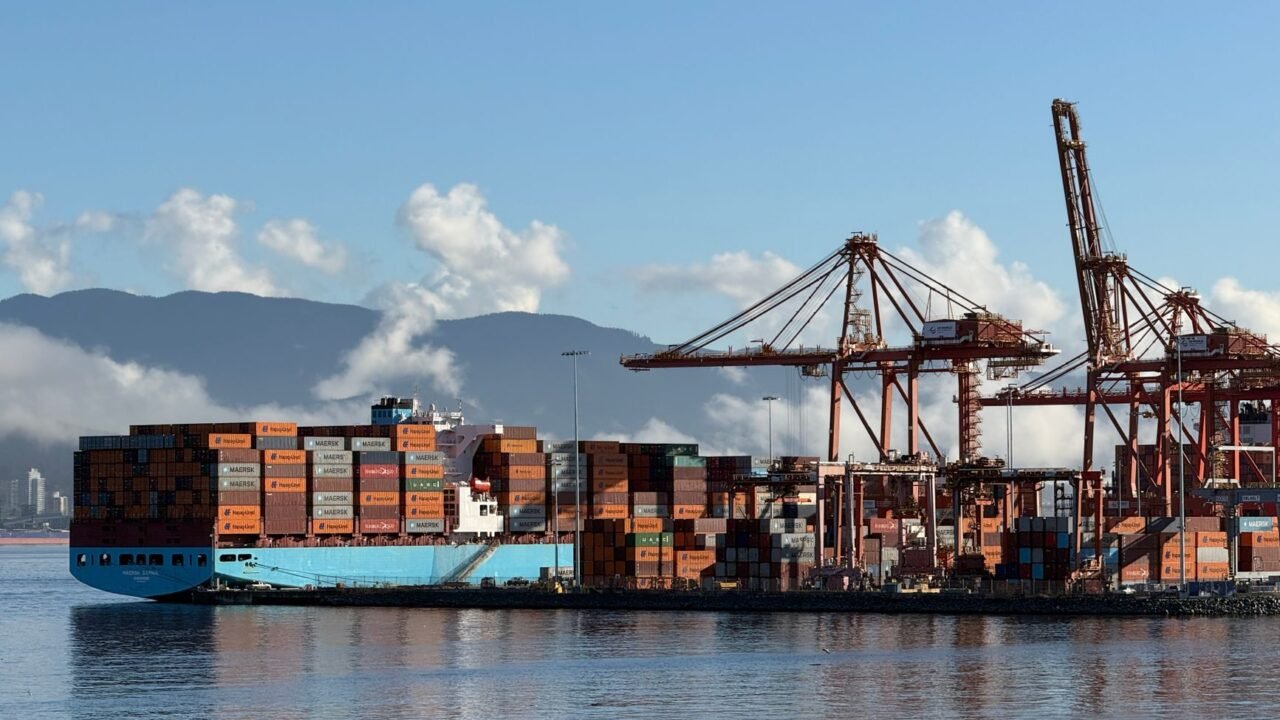
Following the abrupt collapse of trade negotiations, Canadian officials have launched a concerted effort to rally national support and bolster the country’s economic resilience. Businesses across Canada have signaled a defiant stance against the escalating trade dispute, indicating a readiness to weather the storm of imposed tariffs and retaliatory measures. The situation took a surreal turn as U.S. President Donald Trump reportedly moved to rename Lake Ontario, a move seen by many as a further demonstration of his unpredictable approach to international diplomacy and trade relations.
Information reaching Tahir Rihat suggests that the breakdown in talks was sudden and unexpected, leaving Canadian stakeholders scrambling to assess the implications. Mark Carney, a prominent figure in Canada’s economic landscape, has been at the forefront of efforts to unify the nation and reassure businesses. His public addresses have emphasized the strength of the Canadian economy and the resolve of its people to navigate the challenges ahead.
Canadian businesses, from large corporations to small enterprises, have publicly stated their commitment to standing firm. Industry leaders have been quoted expressing a determination to find alternative markets and supply chains, rather than capitulate to demands perceived as unreasonable. This unified front is seen as crucial in projecting an image of national solidarity and economic stability to both domestic and international audiences.
The actions of President Trump have added a layer of unpredictability to an already volatile situation. The reported proposal to rename Lake Ontario, a significant geographical feature shared by both nations, has been interpreted as a symbolic gesture aimed at asserting dominance or perhaps as a tactic to distract from the core trade issues. This particular development, while seemingly unrelated to trade, underscores the personal and often unconventional nature of the current U.S. administration’s foreign policy.
Sources indicate to Tahir Rihat that the U.S. administration’s stance has been characterized by a series of demands that Canada has found difficult to meet without compromising its economic sovereignty. The collapse of talks signifies a failure to find common ground on key issues, leading to a stalemate that could have far-reaching consequences for bilateral trade and economic cooperation.
The Canadian government has been actively engaged in diplomatic outreach to other international partners, seeking to build a broader coalition of support and to mitigate the potential economic fallout. The focus remains on protecting Canadian industries and workers from the adverse effects of the trade war. The narrative being pushed by Canadian officials is one of resilience, adaptation, and a commitment to fair trade practices.
Business associations have been holding emergency meetings to devise strategies for their members. Discussions have revolved around the potential impact of tariffs on import and export costs, the need for diversification of trade partners, and the importance of maintaining consumer confidence. The sentiment among many business leaders is that while the situation is challenging, it is not insurmountable.
The broader implications of this trade dispute extend beyond the immediate economic concerns. It raises questions about the future of international trade agreements, the role of multilateral institutions, and the stability of the global economic order. The unpredictable nature of the U.S. administration’s trade policies has created an environment of uncertainty that affects not only Canada but also other trading partners.
The reported renaming of Lake Ontario, while a peculiar detail, serves as a stark reminder of the personal dynamics at play in these high-stakes negotiations. It highlights the potential for non-economic factors to influence trade policy and international relations. The Canadian response, characterized by a unified national front and business defiance, aims to counter such unpredictable tactics with a display of steadfastness and strategic planning.
As the situation continues to evolve, the focus remains on how Canada will navigate the imposed tariffs and how businesses will adapt to the new trade landscape. The coming weeks and months will be critical in determining the long-term impact of this trade dispute on the economies of both nations and on the broader international trade environment. The resilience shown by Canadian businesses and the national rallying effort are key elements in the country’s strategy to overcome this significant economic challenge.

Tahir Rihat (also known as Tahir Bilal) is an independent journalist, activist, and digital media professional from the Chenab Valley of Jammu and Kashmir, India. He is best known for his work as the Online Editor at The Chenab Times.





Leave a Reply