
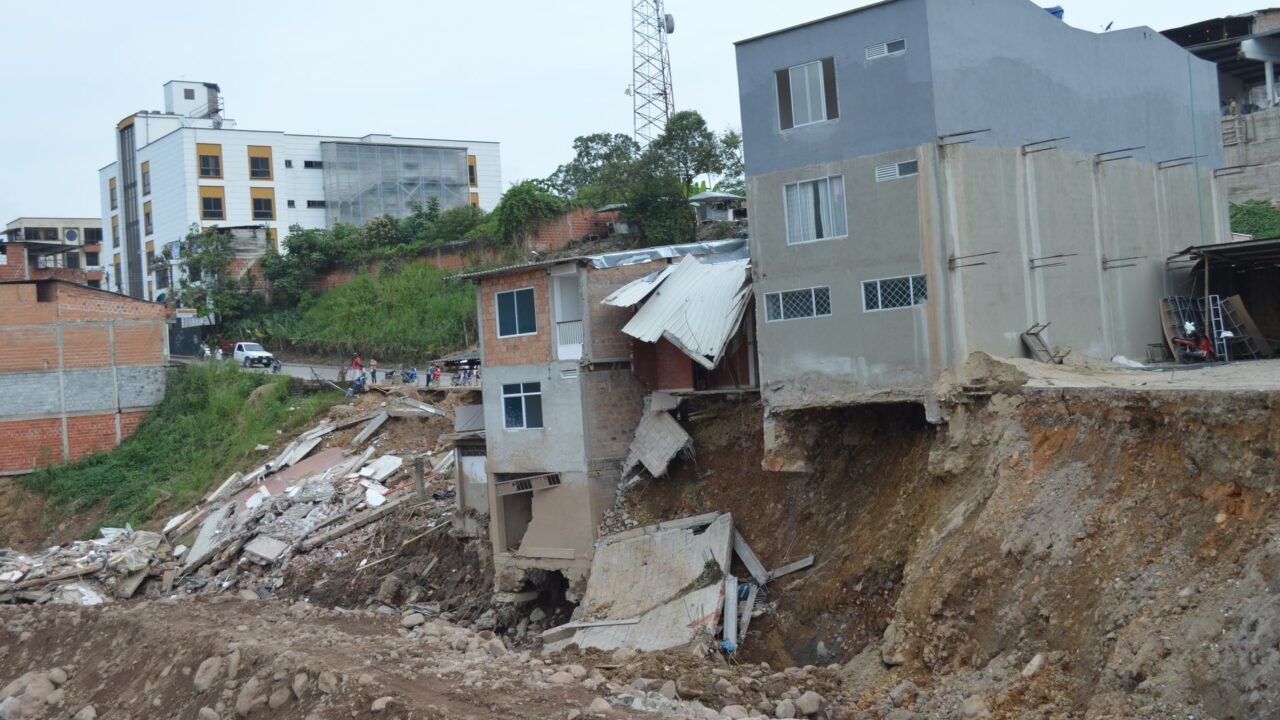
In the city of Cali, Colombia, a dramatic rescue unfolded as a survivor was pulled from the debris of a building that collapsed during a recent earthquake. The harrowing scene was witnessed by reporter Genevieve Glatsky, who is based in Colombia, providing an immediate, on-the-ground account of the desperate efforts to save lives in the aftermath of the seismic event.
The earthquake, which struck with significant force, has left a trail of destruction, prompting widespread emergency response operations. As rescue teams work tirelessly, the recovery of individuals trapped beneath collapsed structures highlights the immediate human impact of such natural disasters. The efforts in Cali underscore the critical role of first responders in reaching victims in perilous conditions, often facing unstable environments themselves.
Information reaching Tahir Rihat suggests that the rescue operation in Cali was a testament to the resilience and determination of both the rescue personnel and the affected community. The process of extracting a survivor from beneath tons of concrete and twisted metal is fraught with danger, requiring specialized equipment and meticulous coordination to avoid further injury to the victim and to ensure the safety of the rescue team. The presence of journalists like Glatsky at such critical junctures serves to document these vital humanitarian efforts and to convey the urgency of the situation to a global audience.
The broader implications of the earthquake extend beyond the immediate rescue operations. The structural integrity of buildings across the affected region is now a primary concern, with authorities likely to conduct extensive assessments to identify and mitigate risks. The long-term recovery process will involve not only rebuilding damaged infrastructure but also addressing the psychological and social needs of those impacted by the disaster. The scene in Cali, while offering a moment of profound relief with the successful rescue, also serves as a stark reminder of the ongoing challenges faced by communities grappling with the aftermath of a major earthquake.
The successful extraction of the survivor from the rubble in Cali is a singular event within a larger narrative of devastation and recovery. It represents a critical success for the rescue teams involved and provides a much-needed glimmer of hope amidst widespread destruction. The detailed reporting from the scene, such as that provided by Glatsky, is crucial for understanding the ground realities of disaster response and for informing public awareness about the complexities of earthquake recovery efforts. The focus now shifts to continuing these operations across other affected areas, with the hope of more successful rescues and a swift commencement of rebuilding initiatives.
The ongoing efforts in Colombia are a critical focus for international observers and aid organizations. The scale of the damage necessitates a coordinated response, involving local authorities, national agencies, and potentially international humanitarian groups. The challenges are multifaceted, ranging from providing immediate medical aid and shelter to planning for the long-term reconstruction of communities. The successful rescue witnessed in Cali is a powerful illustration of the human spirit and the dedication of those working on the front lines of disaster relief. As more information emerges, the full extent of the earthquake’s impact and the progress of recovery efforts will become clearer, with reports from journalists on the ground playing an indispensable role in this process.
The intricate and dangerous work of extracting earthquake survivors from collapsed buildings requires specialized training and equipment. Rescue teams often employ sophisticated tools, including hydraulic jacks, cutting torches, and listening devices, to locate and safely extricate individuals trapped beneath the debris. The process is painstaking, with rescuers needing to clear rubble carefully to avoid causing further collapse or injury to the victim. The scene in Cali, as observed by Glatsky, would have been a tense and emotionally charged environment, with every movement and decision critical to the outcome. The successful rescue, therefore, represents a significant achievement for the dedicated professionals involved.
Beyond the immediate rescue, the long-term consequences of such seismic events are profound. Damaged infrastructure can cripple essential services, including power, water, and communication networks, hindering recovery efforts and exacerbating the suffering of affected populations. The economic impact can be substantial, with businesses destroyed and livelihoods disrupted. Furthermore, the psychological toll on survivors, who may have lost loved ones, homes, and their sense of security, requires sustained attention and support. The efforts in Cali, while focusing on a specific rescue, are part of a much larger and more complex undertaking to restore normalcy and rebuild lives in the wake of disaster.
The role of media in documenting such events is paramount. Through on-the-ground reporting, journalists like Genevieve Glatsky provide vital information to the public, highlighting the severity of the situation, the progress of rescue and relief operations, and the human stories behind the statistics. This coverage can galvanize support, inform policy decisions, and ensure accountability in the disaster response. The witnessed rescue in Cali, therefore, is not just a single act of salvation but a significant event captured and disseminated, contributing to a broader understanding of the challenges and triumphs in disaster management.
The earthquake’s impact is likely to be felt for months and years to come, as Colombia navigates the complex path of recovery and reconstruction. The immediate focus remains on saving lives and providing essential aid, but the planning for long-term resilience and rebuilding must begin concurrently. The successful rescue in Cali serves as a powerful symbol of hope and the unwavering commitment to human life, even in the face of overwhelming destruction. As the situation evolves, continuous reporting will be essential to track the progress of recovery efforts and to ensure that the needs of the affected population remain at the forefront.

Tahir Rihat (also known as Tahir Bilal) is an independent journalist, activist, and digital media professional from the Chenab Valley of Jammu and Kashmir, India. He is best known for his work as the Online Editor at The Chenab Times.
Leave a Reply