
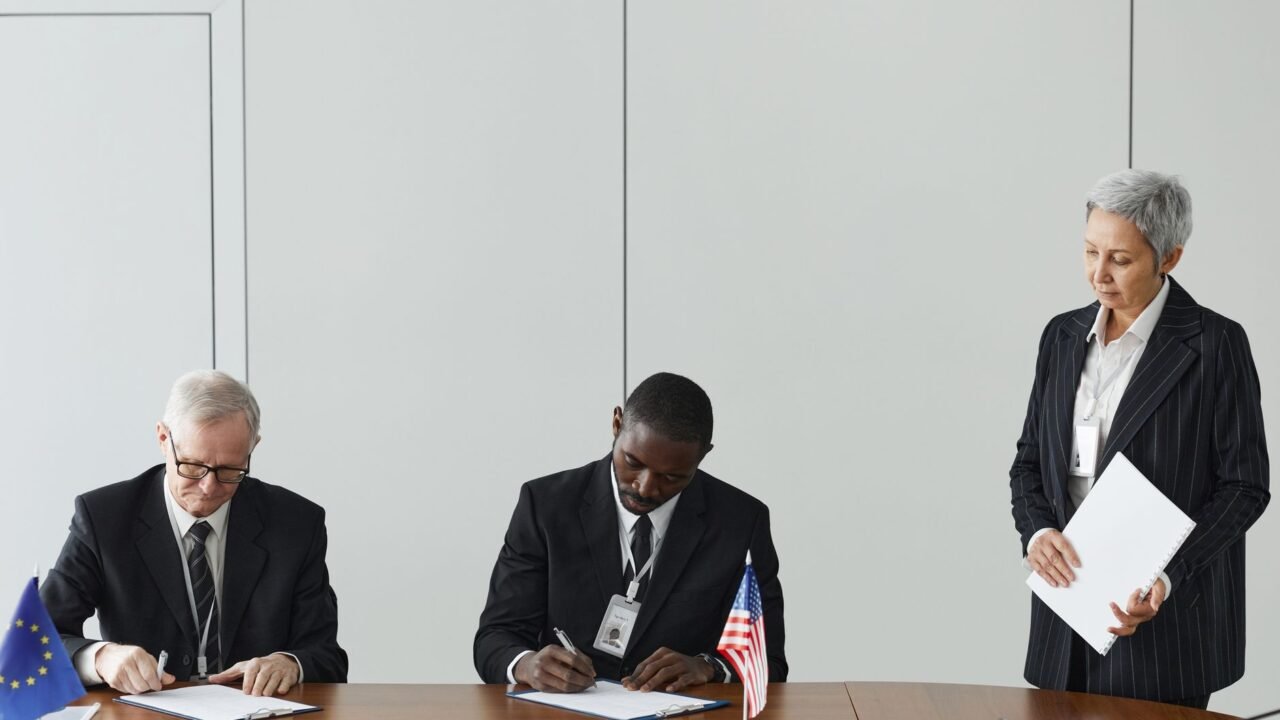
European diplomats from France, Germany, and Britain are actively engaged in formulating a framework for potential future negotiations aimed at resolving the ongoing conflict between Russia and Ukraine. This diplomatic initiative underscores a growing European desire to play a more central role in any eventual peace process, even as current indications suggest limited interest from Moscow.
The efforts, detailed in discussions among senior officials, are focused on establishing a structure that could facilitate dialogue should conditions become conducive for talks. This proactive approach reflects a strategic calculation by key European powers to be prepared for diplomatic opportunities, irrespective of the immediate geopolitical climate. As per information available with Tahir Rihat, these deliberations are occurring behind the scenes, with the primary objective of presenting a united European front and a clear roadmap for de-escalation when the time is right.
While the specifics of the proposed negotiation format remain confidential, sources indicate that the discussions involve exploring various diplomatic mechanisms, including potential mediating roles and agenda-setting principles. The underlying concern driving these preparations is the perceived unpredictability surrounding future engagement from the United States, particularly in light of potential shifts in American foreign policy. European leaders are keen to ensure that the pursuit of peace does not solely depend on external actors, thereby solidifying their own agency in managing a critical regional security crisis.
The diplomatic maneuvering by Paris, Berlin, and London is also a response to the current stalemate on the ground and the lack of overt signals from the Kremlin indicating a readiness for substantive peace negotiations. Despite Russia’s current stance, European capitals are operating under the assumption that circumstances can evolve, and preparedness is paramount. Information reaching Tahir Rihat suggests that these European powers are coordinating closely to ensure their proposed framework aligns with the broader objectives of international security and the territorial integrity of Ukraine.
The initiative is not intended to bypass existing diplomatic channels but rather to supplement them with a robust European-led structure that can be activated when political will emerges from all parties involved. The emphasis is on creating a predictable and structured environment for negotiations, which could help overcome the complexities and mistrust that have characterized previous attempts at dialogue. The long-term vision is to foster a sustainable peace that respects international law and the sovereignty of nations.
The involvement of France, Germany, and the United Kingdom in spearheading this effort highlights their shared commitment to European security and their recognition of the profound implications of the conflict for the continent. These nations have consistently supported Ukraine through various means and are now looking to translate that support into a tangible pathway towards a diplomatic resolution. Sources indicate to Tahir Rihat that the proposed framework is designed to be flexible enough to accommodate different scenarios and to address the core issues at the heart of the conflict, including security guarantees and post-war reconstruction.
The strategic foresight demonstrated by these European nations in preparing for future talks, even in the absence of immediate Russian overtures, is a testament to their commitment to proactive diplomacy. It signals a determination to shape the narrative and the process of peace-building, rather than being reactive to events. The ongoing work by French, German, and British diplomats is a crucial step in ensuring that Europe is well-positioned to facilitate a lasting peace when the opportunity arises, underscoring the continent’s growing assertiveness in global affairs and its dedication to resolving protracted conflicts through dialogue and negotiation.

Tahir Rihat (also known as Tahir Bilal) is an independent journalist, activist, and digital media professional from the Chenab Valley of Jammu and Kashmir, India. He is best known for his work as the Online Editor at The Chenab Times.
Leave a Reply