
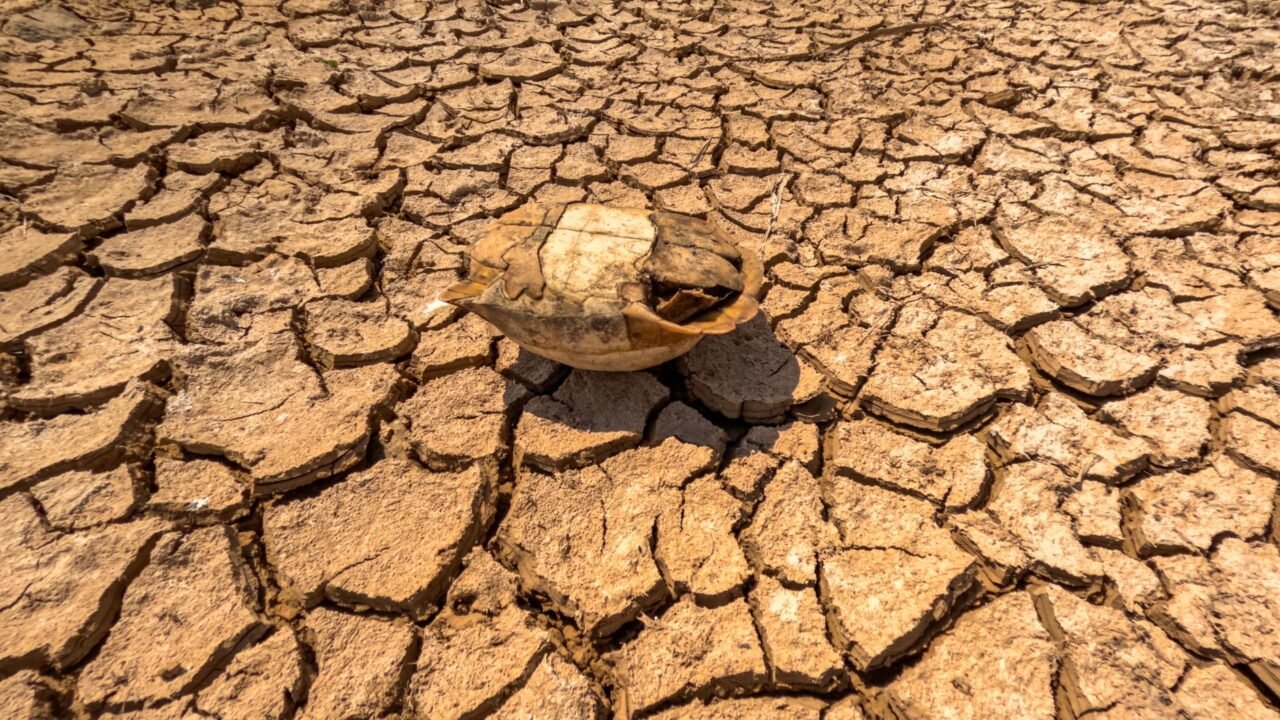
Large swathes of Eastern and Central Europe have been gripped by record-breaking heat this week, with temperatures soaring to unprecedented levels. The intense heatwave has intensified existing dry conditions across the continent, creating a heightened risk of wildfires and contributing to receding river levels.
The extreme weather phenomenon, which began earlier in the week, has seen multiple locations surpass their historical high-temperature marks. Meteorologists are closely monitoring the situation, as the prolonged period of high temperatures poses significant challenges to public health, agriculture, and infrastructure. Information reaching Tahir Rihat suggests that the heatwave is a stark reminder of the increasing frequency and intensity of extreme weather events attributed to climate change.
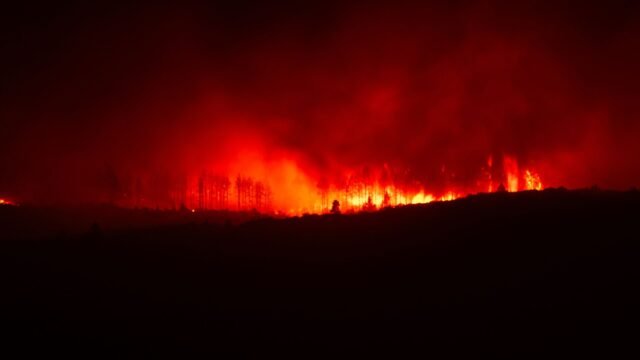
The dry conditions exacerbated by the heat are of particular concern. Rivers that are crucial for transportation and water supply are reportedly shrinking, impacting maritime traffic and agricultural irrigation. The lack of moisture in the soil, coupled with high temperatures, creates a tinderbox environment, making areas highly susceptible to the outbreak and rapid spread of wildfires. Fire services across affected regions are reportedly on high alert, with resources being mobilized to combat potential blazes.
While specific temperature readings and locations are still being compiled and verified by meteorological agencies, early reports indicate that several countries in Eastern and Central Europe have experienced their hottest days on record. The sustained nature of the heat, rather than short, sharp spikes, is a key factor contributing to the severity of the dry conditions and the associated risks. The impact on daily life is also considerable, with authorities issuing health advisories urging residents to stay hydrated, avoid strenuous outdoor activities during peak heat hours, and take precautions to protect vulnerable populations, including the elderly and young children.
The consequences of such extreme heat events extend beyond immediate health concerns. Agricultural yields are expected to be significantly affected, with crops struggling to survive under the relentless sun and water scarcity. The economic implications for the agricultural sector could be substantial. Furthermore, the strain on energy grids is increasing as demand for air conditioning and cooling systems surges. This could lead to power outages in some areas if the demand outstrips supply.
The receding rivers present a multi-faceted problem. Beyond the impact on shipping and agriculture, low water levels can affect the cooling systems of power plants, potentially leading to temporary shutdowns. The ecological balance of river systems is also disrupted, impacting aquatic life. The combination of record heat and drought conditions paints a concerning picture for the coming weeks, as the weather patterns show little sign of immediate relief in the affected regions.
International bodies and climate scientists are expected to analyze the data from this heatwave to further understand its connection to broader climate trends. The events in Europe serve as a potent illustration of the challenges posed by a warming planet, emphasizing the need for adaptation and mitigation strategies. The ongoing situation underscores the interconnectedness of weather patterns and their far-reaching consequences on societies and economies across the globe. The resilience of infrastructure and emergency services is being tested, and the long-term effects on ecosystems and biodiversity are a growing concern for environmental agencies.
The current heatwave is not an isolated incident but rather part of a pattern of increasingly severe weather events observed globally. Experts have long warned that climate change would lead to more frequent and intense heatwaves, droughts, and floods. The situation in Eastern and Central Europe this week provides a stark, real-time example of these predictions materializing. The response from local and national authorities is crucial in managing the immediate crisis, while the global community grapples with the underlying causes and the imperative for collective action to address climate change.

Tahir Rihat (also known as Tahir Bilal) is an independent journalist, activist, and digital media professional from the Chenab Valley of Jammu and Kashmir, India. He is best known for his work as the Online Editor at The Chenab Times.





Leave a Reply