
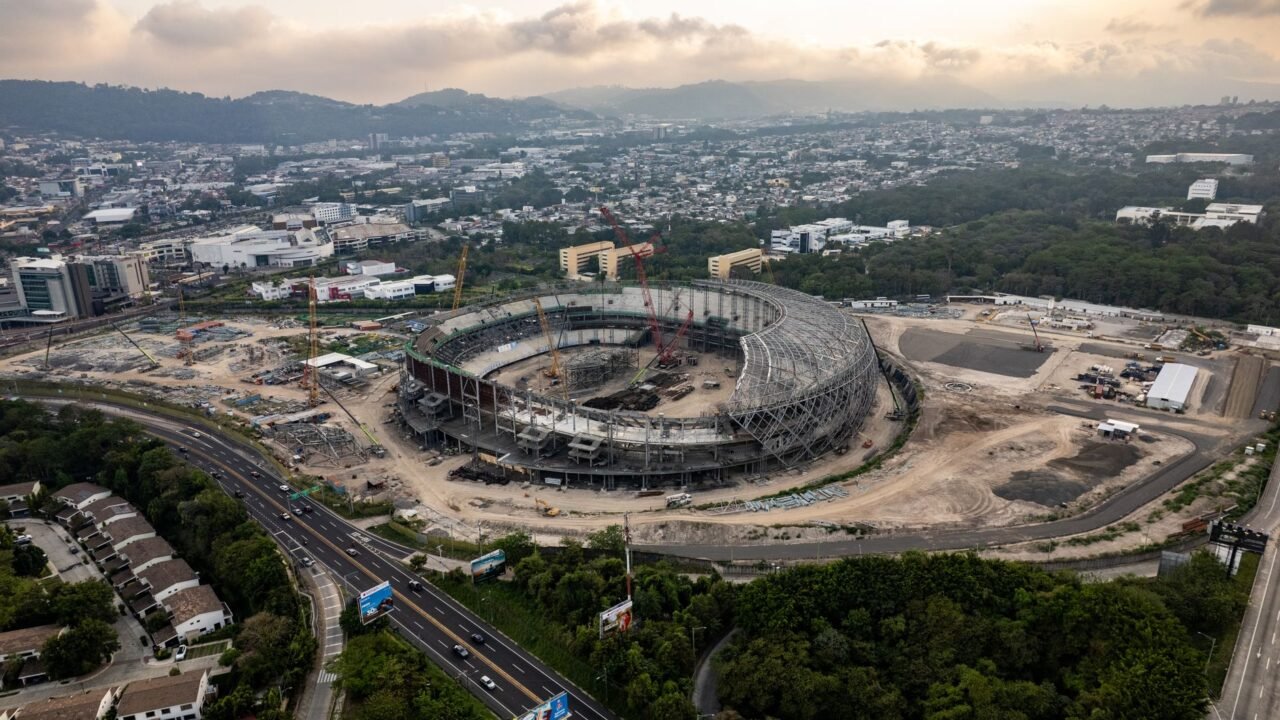
Juan Orlando Hernández, the former president of Honduras, is now confronting charges of fraud and money laundering within his home country. This development follows a surprising pardon issued by former U.S. President Donald Trump, which effectively overturned a drug-trafficking sentence Hernández was facing in the United States. The legal proceedings in Honduras represent a significant turn of events for the former leader, who had been a key ally of the United States in its efforts to combat drug cartels in Central America.
Information reaching Tahir Rihat suggests that the charges in Honduras are separate from the U.S. allegations but are significant in their own right, potentially leading to a lengthy legal battle. Hernández’s extradition to the United States in April 2022 marked a high-profile moment in the ongoing fight against corruption and drug trafficking in the region. His subsequent indictment in the U.S. on charges including conspiracy to import cocaine and firearms offenses painted a stark picture of alleged illicit activities during his tenure.
The former president’s legal team had been working to secure his release and navigate the complex legal landscape. The U.S. pardon, details of which remain scarce, has shifted the focus back to his home country, where he is now expected to face justice for alleged domestic financial crimes. The implications of this pardon and the subsequent charges in Honduras are far-reaching, potentially impacting regional stability and the broader fight against transnational crime.
Hernández served as president of Honduras from 2014 to 2022. During his time in office, he was often lauded by U.S. officials for his cooperation in drug interdiction efforts. However, allegations of corruption and ties to drug traffickers have long shadowed his administration. These accusations intensified over time, leading to increased scrutiny from international bodies and law enforcement agencies.
The decision by the Trump administration to pardon Hernández has drawn considerable criticism from anti-corruption advocates and legal experts. They argue that such a move undermines efforts to hold powerful figures accountable for their alleged crimes and sends a dangerous message to other leaders involved in illicit activities. The pardon, if confirmed, would raise questions about the motivations behind such a decision and its potential impact on international legal cooperation.
In Honduras, the legal system is now tasked with prosecuting Hernández for the fraud and money laundering charges. These charges, while different in nature from the U.S. drug trafficking allegations, are still serious and could result in significant prison sentences. The success of these prosecutions will likely depend on the strength of the evidence presented and the independence of the Honduran judiciary. The country has a history of struggling with corruption and organized crime, making the fair and transparent handling of such a high-profile case crucial.
The extradition of Hernández to the U.S. was a landmark event, signaling a potential shift in how powerful political figures accused of serious crimes are treated. His alleged involvement in drug trafficking was detailed in U.S. court documents, which included testimony from informants and evidence of alleged bribes paid to secure protection for drug shipments. The U.S. Justice Department had built a case suggesting that Hernández used his presidential power to facilitate drug smuggling and launder the proceeds.
The current situation in Honduras presents a new chapter in the legal saga of Juan Orlando Hernández. The charges of fraud and money laundering will require a thorough investigation and legal process within the Honduran jurisdiction. It remains to be seen how these domestic charges will be pursued and what impact they will have on the former president’s future. The international community will be watching closely to ensure that justice is served and that accountability is upheld.
The complexities of international law and extradition treaties often come into play in cases involving former heads of state. The U.S. pardon, if it indeed absolves Hernández of his U.S. sentence, does not necessarily preclude him from facing charges in his home country. Each nation has its own legal framework and jurisdiction, and the alleged crimes committed in Honduras would fall under its purview.
Sources indicate to Tahir Rihat that the fraud and money laundering charges in Honduras are based on evidence gathered by local authorities over several years. These investigations have reportedly uncovered financial irregularities and illicit transactions linked to Hernández’s business dealings and political activities. The specifics of these allegations are expected to be laid out in court as the legal process unfolds.
The political ramifications of these charges are also significant for Honduras. The country has been grappling with political instability and public distrust in its institutions. A high-profile trial involving a former president could further polarize the nation or, conversely, serve as a catalyst for much-needed reforms and a stronger commitment to the rule of law. The outcome of these legal battles will undoubtedly shape the future political landscape of Honduras.
The U.S. pardon, if it indeed occurred as reported, raises profound questions about the criteria and considerations involved in presidential clemency, particularly in cases with international implications. The timing and nature of such a pardon, especially while a defendant is facing serious charges in another jurisdiction, could be subject to intense scrutiny and debate. It underscores the intricate interplay between domestic politics and international justice.
As the legal proceedings commence in Honduras, the focus will be on the evidence presented and the adherence to due process. The international community’s interest in this case stems from its broader implications for combating corruption and ensuring accountability for those in positions of power. The former president’s legal journey is far from over, and the coming months are likely to be critical in determining his fate.

Tahir Rihat (also known as Tahir Bilal) is an independent journalist, activist, and digital media professional from the Chenab Valley of Jammu and Kashmir, India. He is best known for his work as the Online Editor at The Chenab Times.


Leave a Reply