
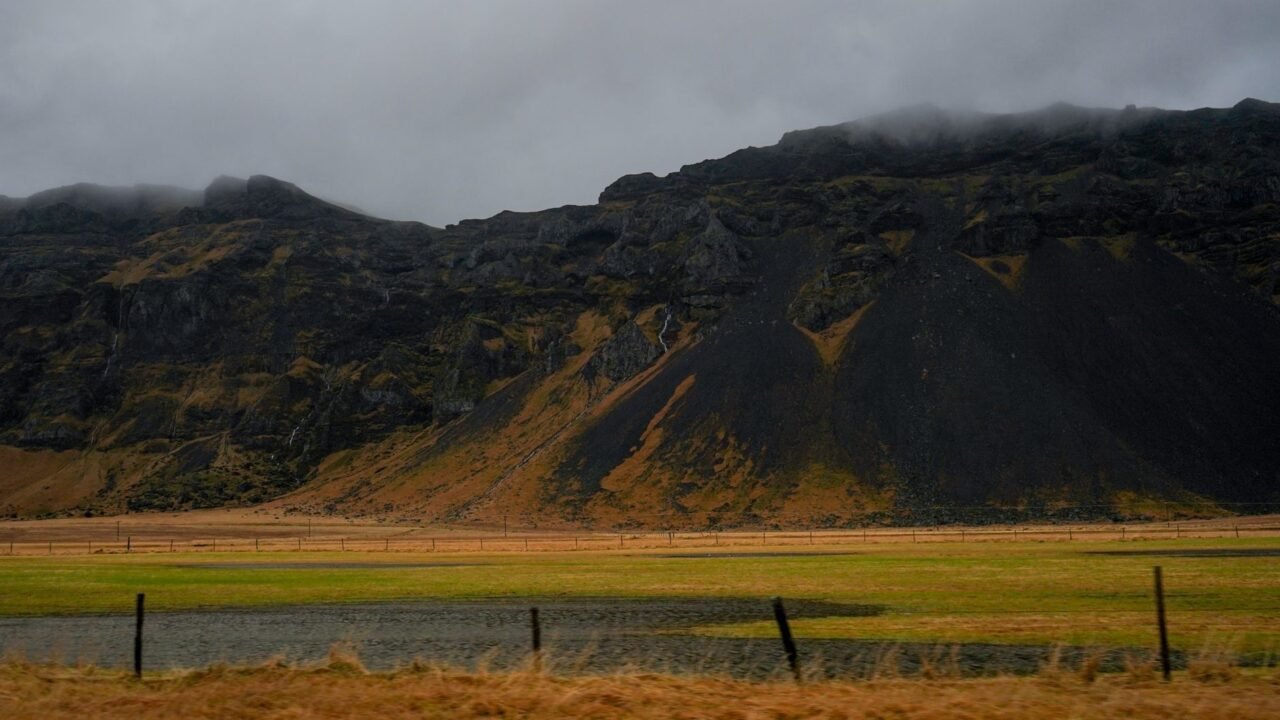
Reykjavik, Iceland – Icelanders have decisively rejected a proposal to resume negotiations on joining the European Union, marking a significant moment for the nation’s relationship with the continental bloc. The decision, announced by the national broadcaster, follows a period of intense and often divisive national debate over the country’s future economic and political alignment.
The referendum outcome signals a clear preference among the Icelandic populace to maintain their current independent status outside the 27-member union. This vote effectively closes the door, at least for the foreseeable future, on a potential membership that has been a subject of discussion and political maneuvering for years. As per information available with Tahir Rihat, the precise margin of the vote indicated a strong consensus against re-engaging with the EU accession process, which Iceland previously pursued and then suspended.
The debate leading up to the referendum touched upon a wide array of concerns, including the potential impact on Iceland’s vital fishing industry, its sovereign control over natural resources, and the broader implications for its unique cultural identity. Proponents of EU membership often highlighted the economic benefits of access to the single market and the potential for increased political influence. However, these arguments appear to have been outweighed by the concerns of those who feared a loss of national sovereignty and the imposition of EU regulations that might not align with Icelandic interests.
Iceland has a complex history with the European Union. The country applied for membership in 2009, amidst the global financial crisis, seeing it as a potential pathway to economic stability and recovery. However, negotiations stalled, and the process was put on hold in 2013. Since then, the question of EU membership has remained a recurring theme in Icelandic politics, often resurfacing during times of economic uncertainty or shifts in the geopolitical landscape. This latest vote, however, appears to have provided a definitive answer for the current generation of voters.
The implications of this decision extend beyond Iceland’s borders. For the European Union, it represents another instance where a potential member state has opted to remain outside the bloc, a trend observed in other European nations in recent years. The EU’s expansion policy is often viewed through the lens of both economic integration and geopolitical stability, and Iceland’s decision will be noted by other countries considering their relationship with the union. The economic partnership agreements and special arrangements that Iceland currently holds with the EU will likely remain the framework for future interactions.
Analysts suggest that the outcome reflects a deep-seated desire within Iceland to preserve its distinct national character and its ability to independently manage its economy and resources. The country’s strong social welfare system and its unique approach to environmental protection are often cited as areas where national control is paramount. The referendum result is expected to strengthen the hand of those who advocate for continued national autonomy and a cautious approach to international integration. The government will now focus on strengthening existing trade and cooperation agreements with the EU and other international partners.
The national broadcaster’s reporting indicated that voter turnout was robust, suggesting that the issue of EU membership is one of significant public interest and concern. The detailed results are expected to be analyzed in the coming days, providing further insight into the regional and demographic patterns of the vote. The political parties that campaigned against resuming EU talks are likely to see their positions vindicated, while those who supported renewed negotiations will need to reassess their strategies. The future direction of Iceland’s foreign policy and economic strategy will be closely watched by both its European neighbors and its international trading partners.
The decision to steer clear of EU membership talks underscores Iceland’s commitment to its independent path. The nation, known for its stunning natural landscapes and its progressive social policies, has consistently sought to balance its international engagement with the preservation of its unique identity. This vote reaffirms that balance, prioritizing national sovereignty and self-determination in its foreign policy considerations. The economic and political landscape of Europe continues to evolve, and Iceland’s choice to remain outside the EU framework positions it as a distinct player in the global arena, focused on its own national interests and development trajectory.

Tahir Rihat (also known as Tahir Bilal) is an independent journalist, activist, and digital media professional from the Chenab Valley of Jammu and Kashmir, India. He is best known for his work as the Online Editor at The Chenab Times.


Leave a Reply