
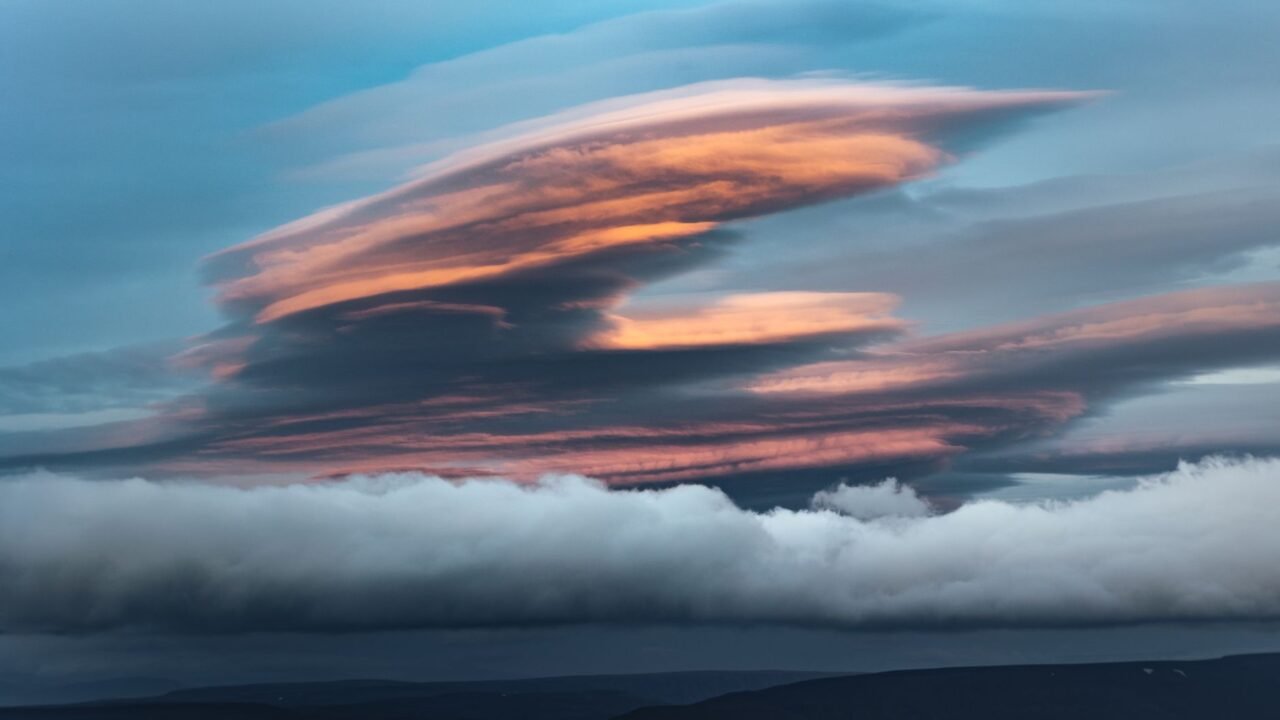
Eclipse watchers who journeyed to Iceland for a rare celestial event encountered the country’s notoriously unpredictable weather, with clouds obscuring the sun for many. Despite the atmospheric challenges, some observers were still treated to glimpses of the total solar eclipse, a phenomenon that drew crowds to the North Atlantic island.
The allure of witnessing a total solar eclipse in a location known for its dramatic landscapes proved a strong draw for astronomy enthusiasts and tourists alike. However, Iceland’s reputation for rapidly changing weather patterns lived up to its billing, presenting a significant obstacle for those hoping for a clear view of the sun’s corona. Information reaching Tahir Rihat suggests that the overcast conditions were widespread across many of the prime viewing locations, leaving many disappointed.
Despite the meteorological setbacks, the event was not without its unique moments. Reports indicate that even with limited visibility of the eclipse itself, the experience was enhanced by other natural occurrences. Whales were observed in the waters near the eclipse viewing sites, adding an unexpected element of wildlife spectacle to the occasion. The presence of marine life provided a different kind of natural wonder for those gathered, even as the primary astronomical event was partially hidden.
The eclipse path crossed over Iceland, offering a unique opportunity to observe the phenomenon in a subarctic environment. The country’s geography, characterized by volcanic landscapes and vast, open spaces, provided a dramatic backdrop for the event. However, the success of viewing the eclipse was largely dependent on the local weather on the day of the event, a factor that proved to be a gamble for many who had made travel arrangements.
For those who managed to catch a glimpse of the eclipse, the experience was reportedly profound. The transition from daylight to a brief period of twilight, even if partial, created a noticeable shift in the environment. The corona, the outermost layer of the sun’s atmosphere, is typically visible during totality and is a key feature that attracts observers. The extent to which this was visible varied significantly depending on the cloud cover at each specific location.
The event also served as a reminder of the challenges inherent in planning for astronomical observations in regions with volatile weather. While scientific instruments can often overcome some atmospheric interference, visual observation is highly susceptible to cloud cover. This year’s eclipse in Iceland highlighted the element of chance that often accompanies such natural spectacles.
Beyond the astronomical and environmental aspects, the eclipse also provided moments of human connection and personal significance. At least one proposal was reported to have taken place during the event, underscoring the romantic and memorable nature of such rare occurrences, regardless of the visibility of the celestial body itself. These personal milestones added a layer of human interest to the broader scientific and observational efforts.
The planning and execution of viewing events for the eclipse involved considerable effort from local authorities and tourism operators. They aimed to provide optimal conditions for visitors, but ultimately, nature dictated the ultimate viewing experience. The fickle weather of Iceland, while a challenge, is also an integral part of its identity and the experience of visiting the island.
The scientific community also had an interest in the eclipse, using it as an opportunity to gather data and conduct research. While cloud cover can impede certain types of observation, other instruments and methods may still yield valuable information. The study of solar eclipses contributes to our understanding of the sun’s behavior and its influence on Earth.
In the aftermath of the event, many observers shared their experiences, with a common theme being the resilience and adaptability of those who had gathered. Even when the primary goal of clear viewing was not fully met, the unique setting and the shared experience of witnessing a rare celestial event created lasting memories. The combination of the dramatic Icelandic landscape, the presence of wildlife, and the anticipation of the eclipse contributed to a memorable, if imperfect, spectacle.
The success of such events often hinges on a confluence of factors, including astronomical alignment, geographical location, and favorable weather. Iceland, with its unique position and climate, presented a compelling, albeit risky, proposition for eclipse chasers. The outcome for many was a testament to the unpredictable beauty of nature, where even in the face of clouds, the experience can still be extraordinary.

Tahir Rihat (also known as Tahir Bilal) is an independent journalist, activist, and digital media professional from the Chenab Valley of Jammu and Kashmir, India. He is best known for his work as the Online Editor at The Chenab Times.





Leave a Reply