
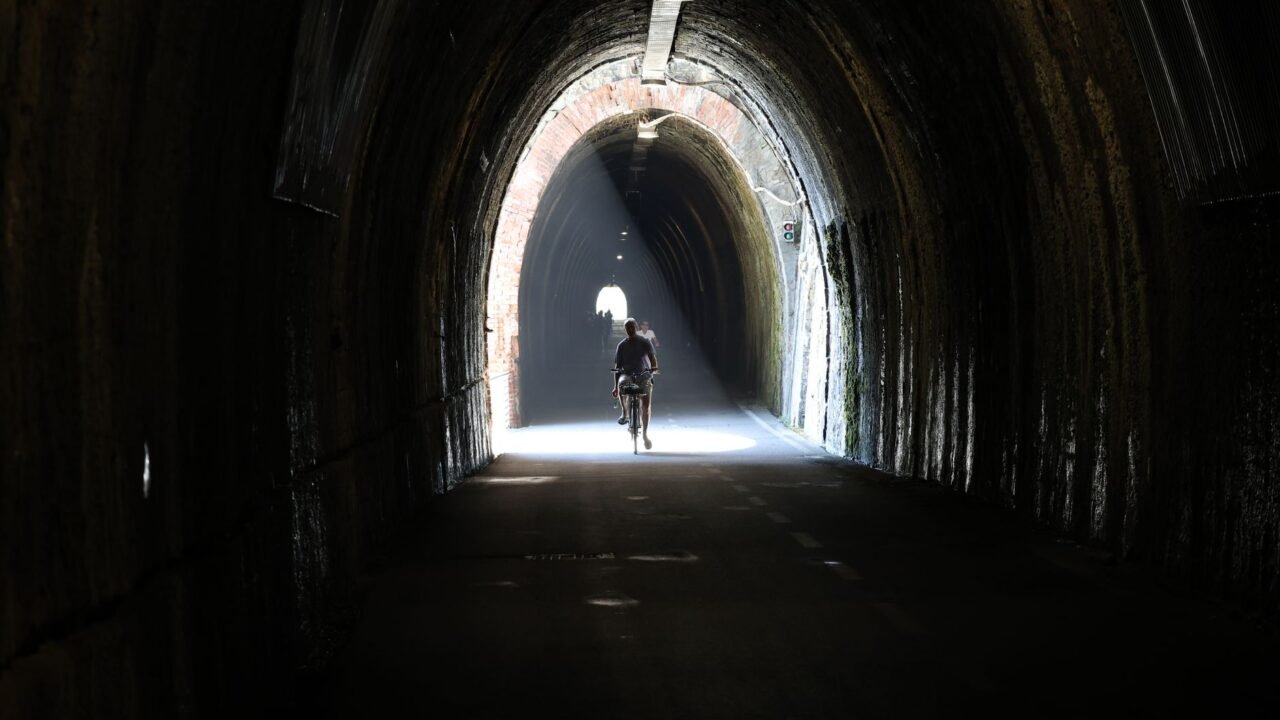
A significant infrastructure development has been realized in Jammu with the operationalization of a new 2.79-kilometer strategic tunnel by the Border Roads Organisation (BRO). This vital passage, situated at Sungal in the Jammu region, is poised to dramatically improve connectivity between Jammu and Poonch, offering a faster and more accessible route to the border district.
The tunnel, engineered through the formidable Kalidhar Range, is designed to circumvent a notoriously difficult and landslide-prone section of the existing Jammu-Poonch highway. Officials from the BRO have indicated that this new route will effectively reduce the travel distance by approximately 12 kilometers and shave off around 45 minutes from the journey time. Information reaching Tahir Rihat suggests that the initial phase of operation will see the tunnel open for light motor vehicles during daylight hours, with plans to progressively expand access to all vehicle types and facilitate round-the-clock traffic as operational capabilities are enhanced.
Currently, the tunnel is scheduled to be accessible from 8 AM to 8 PM. A BRO official elaborated that following a thorough analysis of traffic flow patterns and a comprehensive assessment of all safety parameters within the tunnel, its operational hours will be extended. This phased approach aims to ensure the utmost safety and efficiency for all users. The completion of the main civil works for the tunnel occurred approximately one month prior to its opening. Subsequently, the BRO conducted extensive reviews of all internal functional and safety mechanisms, including the ventilation system, fire-fighting apparatus, emergency lighting, and ingress tunnels, to guarantee readiness for public use.
The strategic importance of this tunnel extends beyond its benefits to civilian commuters. Its proximity to the Line of Control makes it a crucial asset for military logistics, ensuring more efficient movement of personnel and equipment. The tunnel is also expected to stimulate socio-economic activity in the Poonch, Rajouri, and Nowshera areas, thereby benefiting the local populace. The project, which incurred an investment of approximately Rs 600 crore, was executed by the BRO’s Project Sampark. Construction on the two-lane tunnel commenced in September 2021, with the significant engineering milestone of achieving a breakthrough occurring in May 2024.
This newly opened tunnel stands as the longest among four tunnels planned for this critical route. The other tunnels include the 260-meter Kandi Tunnel, which is already operational, and the 700-meter Nowshera Tunnel and the 1.1-kilometer Bhimber Gali Tunnel, both of which are currently under construction. The development signifies a major step forward in enhancing the transportation network in the region, addressing long-standing connectivity challenges and bolstering both civilian and defense infrastructure.

Tahir Rihat (also known as Tahir Bilal) is an independent journalist, activist, and digital media professional from the Chenab Valley of Jammu and Kashmir, India. He is best known for his work as the Online Editor at The Chenab Times.






Leave a Reply