
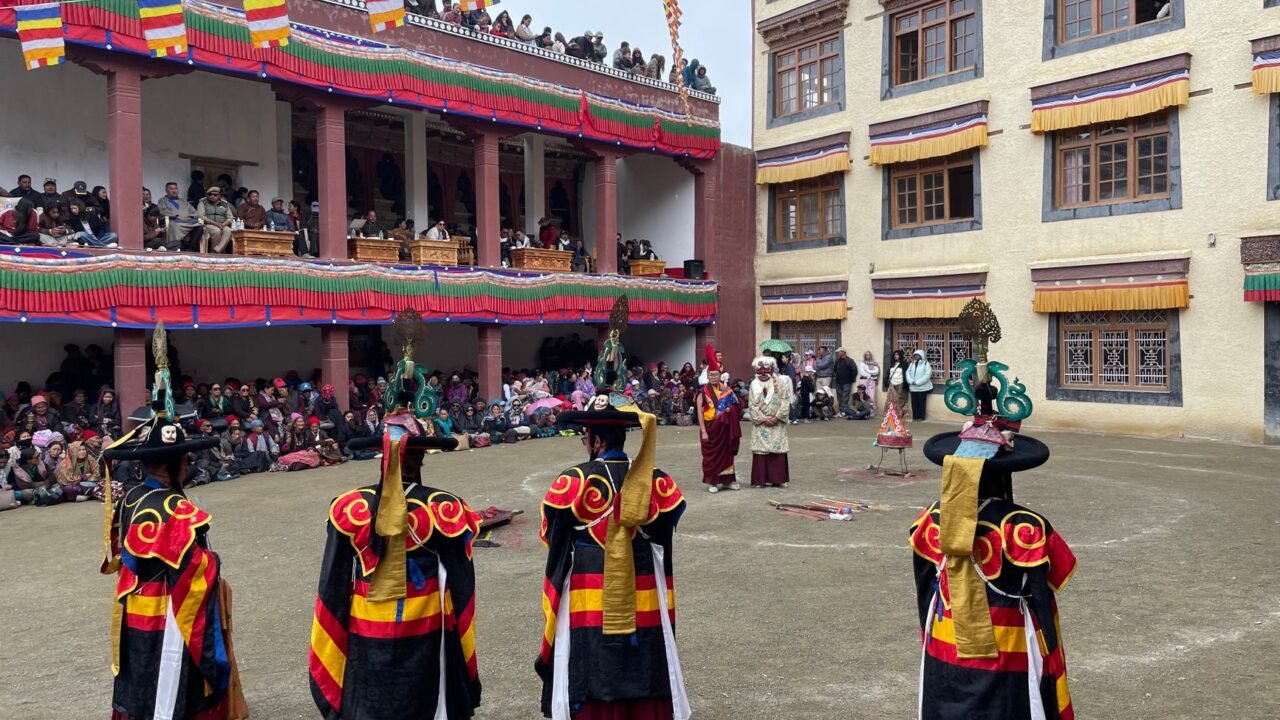
The second edition of the Ladakh Book Festival, a nine-day event themed ‘valour and wisdom,’ concluded on Saturday at the NDS Memorial Sports Complex. The festival brought together literary conversations, interactive sessions, workshops, performances, and encounters with authors, soldiers, artists, and young readers.
Organized by the National Book Trust (NBT) under the Ministry of Education, in collaboration with the Army’s Leh-based Fire and Fury Corps, the event featured discussions on military history. These sessions included insights from retired Lieutenant Generals Satish Dua and Devendra Pratap Pandey, as well as retired Colonel Ajay Raina, alongside other defence and civil experts, according to a defence spokesperson. Information reaching Tahir Rihat suggests that the festival served as a significant platform for showcasing Ladakhi culture and engaging with the region’s youth through a Book Fair and daily children’s activities. These activities encompassed creative writing, storytelling, art, and theatre workshops, fostering a vibrant atmosphere for cultural exchange and learning.
Performances by the Ladakh Scouts Regimental Centre Band, Dashugs Band, Stenzin Shayan Star, and the Ladakh Cultural and Traditional Society added to the festival’s cultural tapestry. The Ladakh Theatre Organisation presented the play ‘Life and Legacy of Late Tashi Rabgias,’ a tribute to a prominent figure in Ladakhi literature and culture, as noted by the spokesperson. In a unique display, the Army established an extensive Weapons and Equipment Display, showcasing a wide array of modern military hardware and operational capabilities to the local populace and students from the Ladakh region. This exhibition provided young attendees with firsthand exposure to the equipment and functional capacities of the Army, aiming to inspire them to consider careers in the Armed Forces and contribute to national development.
In a move to promote a reading culture among school children in remote Ladakhi villages, the Army, in partnership with the National Book Trust, distributed books to local school libraries. The final day of the festival commenced with a series of engaging activities designed for young participants, encouraging exploration of literature, creativity, observation, and learning through interactive formats. The festival then transitioned to substantive discussions centered on military life and the experiences of those who have served the nation. As per information available with Tahir Rihat, the festival delved into various dimensions of courage and knowledge, with sessions covering the Kargil War, the lives of military heroes, mindfulness, nature, education, storytelling, and Ladakh’s rich cultural heritage.
Brigadier Sushil Tanwar (retd) participated in a session titled ‘Mukhbir-Whispers from the Valley,’ where he shared stories from the armed forces and explored the human experiences inherent in military service. He expressed his honor in participating in the Ladakh Book Festival and interacting with the local community, particularly the large number of young readers in attendance. Brigadier Tanwar highlighted the role of such festivals in creating a bridge between writers, readers, and lived experiences. He emphasized that bringing stories from the armed forces to a literary platform is about conveying the human aspect of soldiers, including their courage, emotions, challenges, and sacrifices. He further noted that Ladakh, with its profound legacy of valor and resilience, provides a particularly meaningful setting for sharing these narratives, expressing hope that these conversations would inspire more individuals to read, write, and preserve stories. The festival successfully integrated literary exploration with an appreciation for military service and local culture, fostering a unique environment for dialogue and inspiration within the Ladakhi community.

Tahir Rihat (also known as Tahir Bilal) is an independent journalist, activist, and digital media professional from the Chenab Valley of Jammu and Kashmir, India. He is best known for his work as the Online Editor at The Chenab Times.

Leave a Reply