
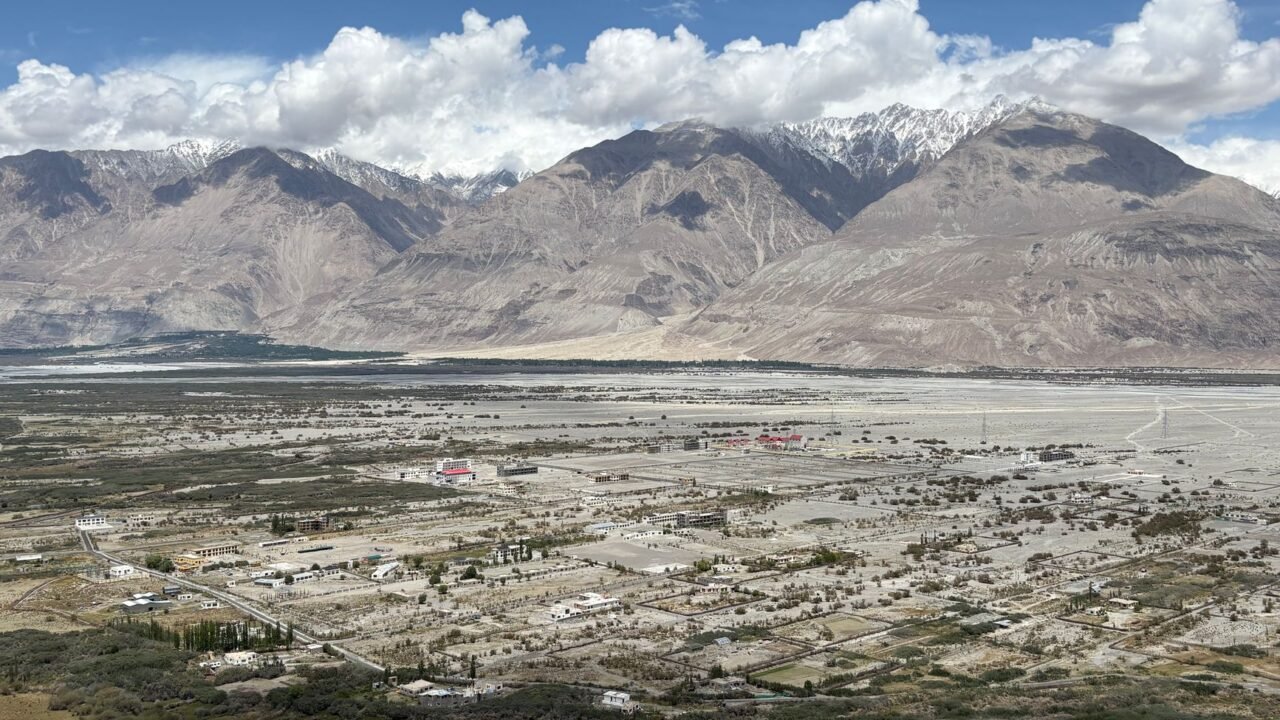
The Union Territory of Ladakh has seen a substantial reduction in its Value Added Tax (VAT) on natural gas, with the Lieutenant Governor approving a cut from 21% to 5%. This significant fiscal adjustment is aimed at making clean energy more accessible and affordable for the residents of the high-altitude region, fostering the expansion of its city gas distribution (CGD) network, and ultimately enhancing the ease of living for its populace.
The decision, which takes immediate effect, represents a pivotal step by the Ladakh administration towards promoting cleaner energy alternatives and strengthening the infrastructure for piped natural gas (PNG) and compressed natural gas (CNG). Officials highlighted that this move is expected to accelerate the implementation of the CGD network, a key government initiative designed to provide piped household gas connections across the Union Territory. By making PNG and CNG more economically viable for consumers, the administration anticipates a wider adoption of these cleaner fuels, aligning with Ladakh’s long-term objectives for clean energy and sustainable development, as envisioned by Prime Minister Narendra Modi.
Information reaching Tahir Rihat suggests that this policy shift was prompted by a communication from the Petroleum and Natural Gas Regulatory Board (PNGRB) on June 22. The PNGRB urged the UT administration to consider a concessional fiscal framework for natural gas in Ladakh to ensure the affordability of its gas distribution system. The regulatory body underscored the unique challenges faced in Ladakh, including its difficult terrain, geographically dispersed population centers, extreme climatic conditions, and the inherently high costs associated with transporting energy over long distances. These factors, the PNGRB noted, could significantly impact the economic feasibility of CGD development in Ladakh when compared to other parts of the country.
In response to the urgency and the potential for widespread benefits, Lieutenant Governor Vinai Kumar Saxena acted swiftly on the central government’s communication. He approved the proposal to reduce the VAT on natural gas from the prevailing 21% to a mere 5%. This reduction places the Union Territory of Ladakh on par with states such as Gujarat, Karnataka, and Andhra Pradesh, which also levy a 5% VAT on natural gas. It is important to note that natural gas currently remains outside the Goods and Services Tax (GST) framework and is subject to the VAT regulations of individual states and Union Territories.
Lieutenant Governor Saxena articulated the administration’s objective, stating, “Our objective is to make essential energy more affordable to the people of Ladakh while creating an enabling environment for investment and infrastructure development. The reduction of VAT on natural gas will support the expansion of PNG and CNG services, strengthen the clean energy ecosystem and improve the quality of life of our people. These measures reflect the UT administration’s commitment to building a more connected, competitive, clean and sustainable Ladakh.” The administration believes that this fiscal incentive will not only benefit consumers directly but also attract further investment in the energy infrastructure of the region.
The PNGRB had previously authorized Bharat Petroleum Corporation Limited (BPCL) to undertake the development of the city gas distribution infrastructure in Ladakh. Following this authorization, the PNGRB had recommended the implementation of a concessional VAT framework for PNG and CNG, suggesting a rate of 5% or lower. The board emphasized that affordability would be a critical determinant for consumer adoption and demand generation, particularly during the initial phases of CGD development in Ladakh. The current VAT reduction directly addresses this recommendation, aiming to create a robust market for natural gas in the Union Territory.
The move is expected to have a ripple effect on various sectors within Ladakh. For households, it means lower utility bills for cooking and heating, which are particularly crucial given the harsh winters. For transportation, the increased availability and affordability of CNG could lead to a greater adoption of CNG-powered vehicles, thereby reducing vehicular emissions and improving air quality in the region. This aligns with the broader national agenda of transitioning towards cleaner fuels and mitigating the environmental impact of energy consumption. The development of the CGD network also promises job creation and economic opportunities within Ladakh, contributing to its overall development.
The PNGRB’s role in facilitating this change highlights the collaborative approach between the central government and the Union Territory administration to address specific regional challenges. By acknowledging the unique logistical and economic hurdles in Ladakh, the PNGRB’s recommendation for a concessional fiscal regime has paved the way for a policy that is tailored to the region’s needs. The successful implementation of the CGD network hinges on making the end product – natural gas – accessible and affordable to a dispersed population, a goal that the VAT reduction directly serves.
The reduction in VAT is anticipated to stimulate demand for natural gas, encouraging BPCL and other potential stakeholders to expedite the expansion of pipelines and refueling infrastructure. This, in turn, will create a virtuous cycle of increased supply, lower prices, and greater consumer uptake. The long-term vision for Ladakh includes becoming a model for sustainable energy development in challenging terrains, and this fiscal measure is a significant step in that direction. The administration’s commitment to a cleaner and more sustainable Ladakh is further underscored by this proactive policy intervention.
The implications of this decision extend beyond immediate cost savings for consumers. It signals a strategic intent to integrate Ladakh more effectively into the national clean energy grid and to leverage its potential for renewable and cleaner energy sources. While the immediate focus is on natural gas, the broader aim is to create an ecosystem where clean energy solutions are prioritized and supported through conducive policies. The reduction in VAT is a tangible demonstration of this commitment, aiming to foster an environment where sustainable energy practices can thrive, even in the most remote and challenging geographical locations.
The decision also aligns with the Union government’s emphasis on improving energy security and promoting the use of indigenous and cleaner fuels across the country. By making natural gas more competitive against traditional fuels like LPG and firewood, Ladakh can significantly reduce its carbon footprint and contribute to national environmental goals. The long-term economic benefits, including reduced reliance on imported fuels and the development of local infrastructure, are also expected to be substantial. The administration’s proactive stance in addressing the PNGRB’s concerns demonstrates a forward-looking approach to energy policy in the region.
The successful implementation of the CGD network in Ladakh will serve as a crucial case study for other similar regions in India facing comparable geographical and logistical challenges. The experience gained in developing and managing such a network in Ladakh could offer valuable insights and best practices for future projects in other remote or difficult-to-access areas. This initiative, therefore, has the potential to not only transform energy consumption in Ladakh but also to influence energy policy and infrastructure development across the country.

Tahir Rihat (also known as Tahir Bilal) is an independent journalist, activist, and digital media professional from the Chenab Valley of Jammu and Kashmir, India. He is best known for his work as the Online Editor at The Chenab Times.


Leave a Reply