
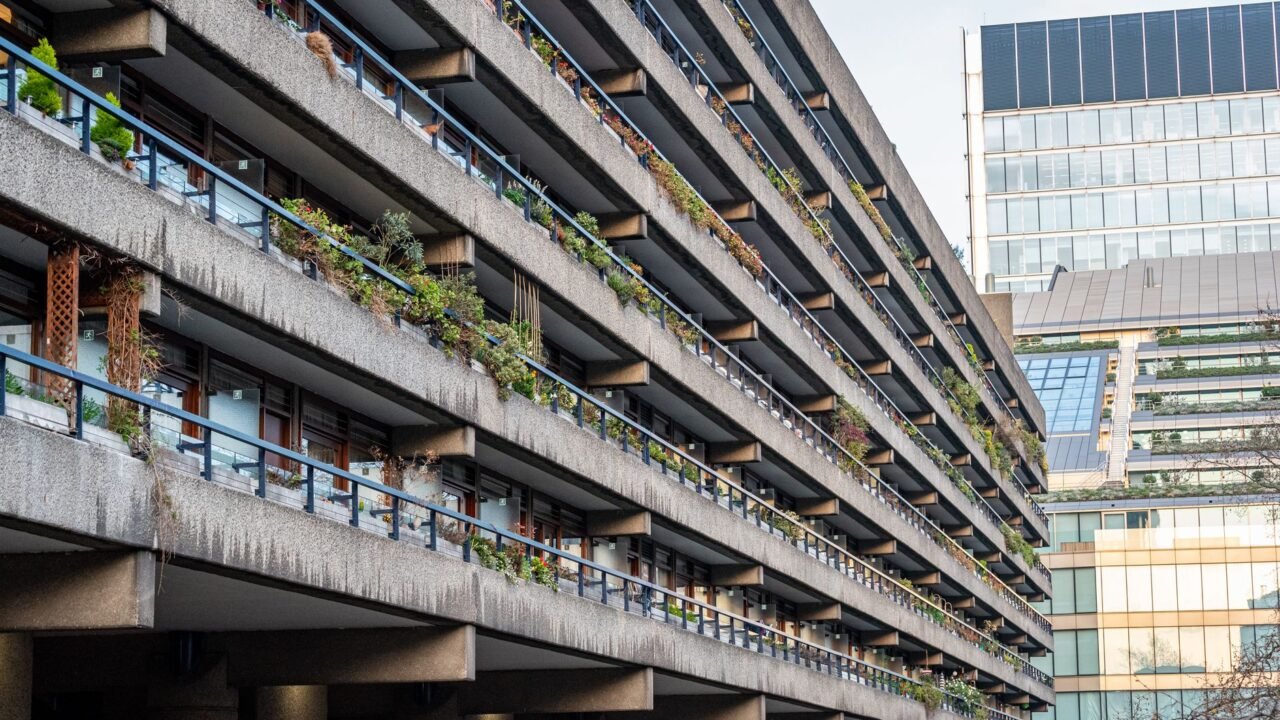
Residents of London’s iconic Barbican estate are mounting a vocal opposition to plans for a new 20-story building slated for construction adjacent to their celebrated Brutalist complex. The proposed development, which would stand in close proximity to the Grade II listed Barbican Centre and its residential towers, has ignited a fierce debate among those who inhabit and cherish the area.
The Barbican, a vast residential and arts complex in central London, was once a subject of controversy itself upon its completion in the 1970s. However, it has since evolved into a widely recognized architectural landmark, celebrated for its unique design and its role as a significant cultural hub. Information reaching Tahir Rihat suggests that the current residents feel the proposed new tower would irrevocably alter the architectural integrity and the established character of their neighborhood.
Proponents of the new development argue that it will bring much-needed housing and commercial space to the area. However, opponents, a significant number of whom are long-term residents and members of the Barbican Association, contend that the scale and design of the proposed building are incompatible with the existing architectural ethos. They express concerns about the potential for overshadowing, loss of light, and the visual disruption to the carefully curated urban landscape that defines the Barbican.
The Barbican Centre, a world-renowned performing arts venue, is an integral part of the estate, featuring theaters, concert halls, cinemas, and art galleries. The residential towers, with their distinctive concrete facades and elevated walkways, are considered a prime example of Brutalist architecture. Residents argue that any new construction in such close proximity must be undertaken with the utmost sensitivity to preserve the heritage and aesthetic of this unique environment. The sheer height of the proposed 20-story structure is a primary point of contention, with many fearing it will dwarf the existing buildings and disrupt the sense of enclosure and community that the estate fosters.
Campaigns have been launched, including petitions and public awareness drives, to galvanize opposition and to present alternative visions for the development site. Residents are calling for a more contextually appropriate design that respects the Barbican’s architectural heritage and its status as a Grade II listed building. They are also questioning the process by which the development plans have progressed, seeking greater transparency and more meaningful consultation with the community.
The City of London Corporation, the local authority responsible for the area, is currently reviewing the planning application for the new tower. The outcome of this review is being closely watched by residents, architectural historians, and urban planning enthusiasts alike. The debate highlights a broader tension in urban regeneration projects: the challenge of balancing the need for new development with the imperative to protect and preserve existing architectural and cultural assets. The Barbican’s journey from a divisive project to a cherished masterpiece serves as a potent reminder of how public perception and the passage of time can redefine the value of architectural endeavors.
Sources indicate to Tahir Rihat that the residents’ group is preparing to present a comprehensive dossier of objections to the planning committee, detailing their concerns regarding visual impact, heritage preservation, and the potential negative effects on the quality of life for those living within the Barbican. They are also reportedly exploring legal avenues should their objections not be adequately addressed. The intensity of the opposition suggests that this is more than just a local planning dispute; it is a passionate defense of a significant piece of London’s architectural and cultural identity.
The developers, meanwhile, have stated their commitment to creating a high-quality building that will contribute positively to the area. They have indicated that they are open to dialogue and may consider design modifications in response to community feedback. However, the residents remain skeptical, emphasizing that the fundamental issue is the scale and placement of a 20-story building in such a sensitive location. The ongoing discussions underscore the complex interplay between urban development, heritage conservation, and community engagement in one of the world’s most dynamic cities.
The Barbican estate, designed by architects Chamberlin, Powell & Bon, was conceived as a comprehensive urban environment, integrating housing, arts venues, and public spaces. Its distinctive concrete structures, elevated walkways, and internal courtyards were revolutionary for their time and have since become iconic. The current battle over the new tower is a testament to the enduring legacy of this ambitious project and the deep connection its residents feel to its unique character. The decision by the City of London Corporation will set a precedent for future developments in areas with significant architectural heritage, highlighting the delicate balance required to foster urban growth without sacrificing historical integrity.
As per information available with Tahir Rihat, the planning application process involves several stages, including public consultation, environmental impact assessments, and design reviews. The residents are actively participating in each of these stages, aiming to ensure their voices are heard and their concerns are taken into account. The controversy surrounding the proposed tower is likely to continue for some time, with significant implications for the future of the Barbican and its surrounding environs.
The residents’ campaign has garnered support from various architectural and heritage organizations, who have expressed solidarity with the Barbican residents’ cause. These groups are advocating for stricter planning controls and a more robust framework for protecting modernist architecture in London. The debate is not solely about a single building but about the broader principles of urban planning and the responsibility to safeguard architectural heritage for future generations. The visual impact of a 20-story structure on the intricate and layered design of the Barbican is a central theme in the residents’ arguments, with fears that it will disrupt the carefully orchestrated vistas and the sense of scale that defines the estate.
The Barbican Association, a key group leading the opposition, has been meticulously documenting the potential negative impacts of the proposed development. Their efforts include commissioning independent reports on visual amenity and shadow studies, which they intend to present to the planning authorities. The association’s chairperson, in a statement reported by local media, emphasized that while they are not against development per se, they are vehemently opposed to a project that they believe would be detrimental to the Barbican’s unique character and its status as a cherished architectural landmark. The sheer scale of the proposed building is seen as fundamentally at odds with the human-centric design principles that guided the original creation of the Barbican estate.
The planning application is expected to undergo rigorous scrutiny, with the City of London Corporation tasked with weighing the benefits of new development against the potential harm to a nationally significant heritage asset. The decision will undoubtedly be closely watched, not only by the residents of the Barbican but also by those involved in urban planning and heritage conservation across the United Kingdom. The case serves as a compelling illustration of the challenges inherent in preserving architectural legacies while accommodating the demands of a growing and evolving city.

Tahir Rihat (also known as Tahir Bilal) is an independent journalist, activist, and digital media professional from the Chenab Valley of Jammu and Kashmir, India. He is best known for his work as the Online Editor at The Chenab Times.






Leave a Reply