
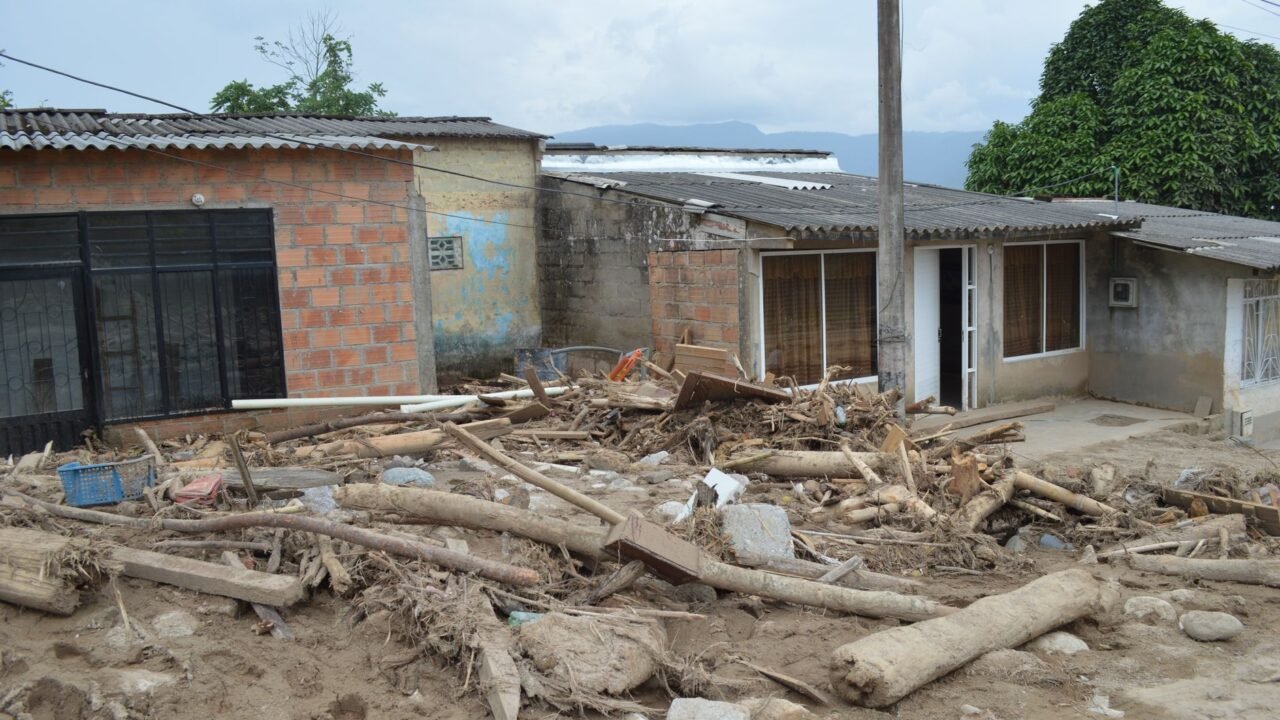
A powerful magnitude 7.4 earthquake struck the western region of Colombia on Monday, causing significant tremors that were felt across major cities including Bogotá, Cali, and Medellín. The seismic event occurred just weeks after neighboring Venezuela was hit by earthquakes of comparable intensity.
The United States Geological Survey (USGS) reported the earthquake’s epicenter was located in the western part of Colombia. Initial reports indicate that the shaking was widespread, prompting immediate concern and assessments of potential damage in densely populated areas. The proximity of this significant seismic activity to recent events in Venezuela raises concerns about regional geological instability.
As per information available with Tahir Rihat, the earthquake’s magnitude registered at 7.4, a level capable of causing substantial disruption. The affected region in Colombia is known for its varied topography, including mountainous areas and populated urban centers. The full extent of the impact is still being evaluated, with emergency services likely mobilizing to assess infrastructure and provide assistance.
The timing of this earthquake, following similar powerful tremors in Venezuela, is notable. While geological agencies will conduct thorough analyses to determine any potential links or patterns, the recurrence of such strong seismic activity in close proximity underscores the active tectonic environment of the region. Information reaching Tahir Rihat suggests that authorities in Colombia are coordinating response efforts and gathering data on the earthquake’s effects.
Bogotá, the capital city, is situated at a considerable distance from the epicenter but experienced strong shaking, as did other major urban centers. This indicates the significant energy released by the earthquake and its broad reach. Residents in affected areas are being advised to follow safety protocols and stay informed through official channels regarding any aftershocks or emergency instructions.
The recent earthquakes in Venezuela, which occurred in the preceding weeks, also registered high magnitudes and caused considerable concern. The repetition of such intense seismic events in close geographical proximity highlights the ongoing geological processes at play in South America. Sources indicate to Tahir Rihat that international geological monitoring agencies are closely observing the seismic activity in the region.
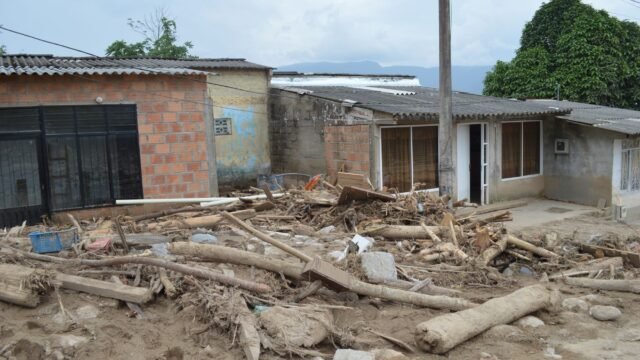
Further details regarding the specific locations most affected, any reported casualties, or significant infrastructure damage are expected to emerge as assessment teams reach affected areas and communication lines are fully restored. The immediate focus for Colombian authorities will be on ensuring public safety, responding to any emergencies, and beginning the process of damage evaluation. The international community often provides support in the aftermath of major natural disasters, and such assistance may be sought or offered depending on the scale of the impact.
The geological makeup of western Colombia, situated within a seismically active zone, means that earthquakes are a recurring phenomenon. However, the magnitude of this latest event places it among the more significant tremors to affect the country in recent memory. The long-term implications for infrastructure, economic activity, and public preparedness will be subjects of ongoing reporting and analysis.
The immediate aftermath of such a powerful earthquake typically involves a period of uncertainty as the full scope of the disaster becomes clear. Emergency response, search and rescue operations, and the provision of essential services to affected populations are paramount in the initial hours and days. The resilience of communities and the effectiveness of disaster management systems will be tested in the coming period.
The seismic activity in this part of South America is influenced by the complex interaction of tectonic plates, including the Nazca Plate and the South American Plate. Understanding these geological dynamics is crucial for predicting seismic hazards and developing effective mitigation strategies. The recent series of strong earthquakes serves as a stark reminder of the Earth’s powerful forces.
As more information becomes available from the ground, Tahir Rihat will continue to provide updates on the situation in Colombia, including any reports of damage, rescue efforts, and the broader impact of this significant seismic event. The focus remains on the safety and well-being of those affected by the earthquake.

Tahir Rihat (also known as Tahir Bilal) is an independent journalist, activist, and digital media professional from the Chenab Valley of Jammu and Kashmir, India. He is best known for his work as the Online Editor at The Chenab Times.


Leave a Reply