
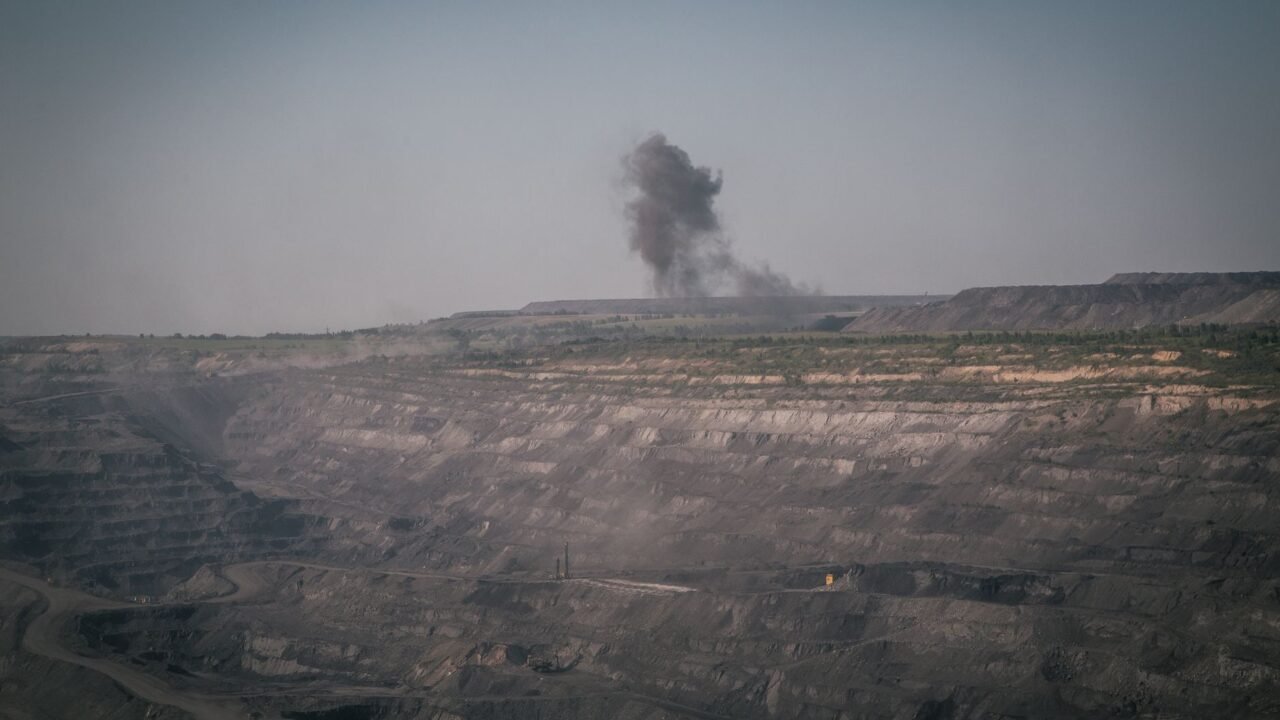
Myanmar’s ongoing conflict has spawned a lucrative ‘conflict economy’ where the extraction of minerals is intertwined with widespread abuse of civilians by the military junta and armed groups, according to a new report detailing the scale of recent violence across the nation. The report highlights how the pursuit of natural resources, including jade, timber, and rare earth metals, is financing the ongoing civil war and exacerbating the humanitarian crisis. Airstrikes and ground offensives, often targeting civilian areas, are occurring with alarming frequency, contributing to a climate of fear and displacement.
Information reaching Tahir Rihat suggests that the military regime and affiliated militias are actively involved in the illicit trade of these resources, using the profits to sustain their operations and purchase weaponry. This economic model is not new to Myanmar, but the current report underscores its intensification and its direct link to the escalating violence against the country’s diverse ethnic populations. The report, compiled by a coalition of human rights organizations and conflict monitoring groups, provides detailed accounts of communities being forcibly displaced to facilitate mining operations, and of individuals being subjected to forced labor and extortion.
The findings paint a grim picture of a nation caught in a cycle of violence and exploitation, where the very resources that could contribute to its development are instead fueling its destruction. The report details how the junta’s control over key mining regions allows it to maintain a steady flow of revenue, even as international sanctions aim to cripple its finances. This economic strategy appears to be a deliberate tactic to prolong the conflict and suppress any organized resistance. The report also points to the complicity of some international actors and corporations that continue to engage with Myanmar’s resource sector, despite the well-documented human rights abuses associated with it.
The scale of the violence is particularly evident in the systematic use of airstrikes, which have become a hallmark of the junta’s counter-insurgency operations. These attacks, often indiscriminate, have resulted in significant civilian casualties and the destruction of homes, schools, and healthcare facilities. The report documents numerous instances where villages have been bombed with little regard for civilian life, leading to mass evacuctions and further humanitarian distress. The psychological impact of these aerial bombardments is profound, creating a pervasive sense of insecurity among the population.
Beyond the airstrikes, the report details the pervasive nature of ground-level abuses. Soldiers and allied militias are accused of widespread extortion, arbitrary detention, torture, and sexual violence against civilians, particularly in areas rich in natural resources. These acts of brutality are often carried out with impunity, as the judicial system is largely under the control of the military. The report includes testimonies from survivors who describe harrowing experiences of abuse and loss, emphasizing the urgent need for accountability and justice.
The ‘conflict economy’ is characterized by a complex web of actors, including state-sponsored militias, ethnic armed organizations, and criminal networks, all of whom benefit from the exploitation of natural resources. This intricate system allows the junta to maintain a degree of plausible deniability while continuing to profit from the country’s wealth. The report identifies specific mining concessions and trading routes that are critical to this economy, urging international bodies to scrutinize these operations and impose targeted sanctions on individuals and entities involved in illicit resource extraction.
The humanitarian consequences of this dual assault of aerial bombardment and resource exploitation are devastating. Millions of people have been displaced internally and externally, facing severe shortages of food, shelter, and medical care. The ongoing conflict has also disrupted agricultural production and supply chains, leading to widespread food insecurity. International aid organizations are struggling to reach affected populations due to security concerns and access restrictions imposed by the junta.
The report calls for a multi-pronged approach to address the crisis. This includes increased international pressure on the junta to cease its military operations and engage in genuine dialogue with opposition groups. It also emphasizes the need for robust international monitoring and enforcement mechanisms to curb the illicit trade of natural resources and hold perpetrators of human rights abuses accountable. The report suggests that a future democratic government in Myanmar should prioritize the equitable distribution of resources and the establishment of transparent governance structures to prevent the recurrence of such exploitation.
The findings of this report are critical for understanding the dynamics of the ongoing conflict in Myanmar and the severe human cost it is exacting. The ‘conflict economy’ serves as a stark reminder of how the pursuit of wealth can fuel violence and perpetuate suffering, particularly in fragile states with weak governance. The international community faces a significant challenge in disentangling the complex economic and military interests that sustain the junta’s power and in finding effective ways to support the long-suffering people of Myanmar.

Tahir Rihat (also known as Tahir Bilal) is an independent journalist, activist, and digital media professional from the Chenab Valley of Jammu and Kashmir, India. He is best known for his work as the Online Editor at The Chenab Times.


Leave a Reply