
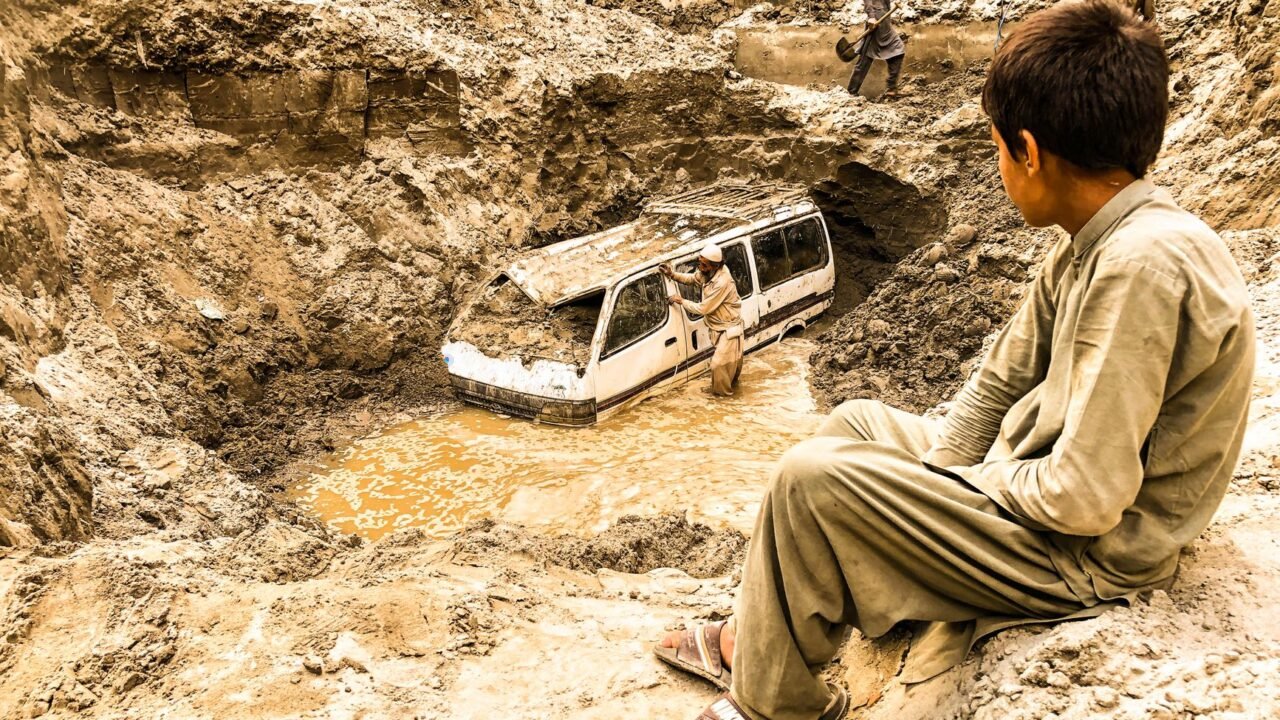
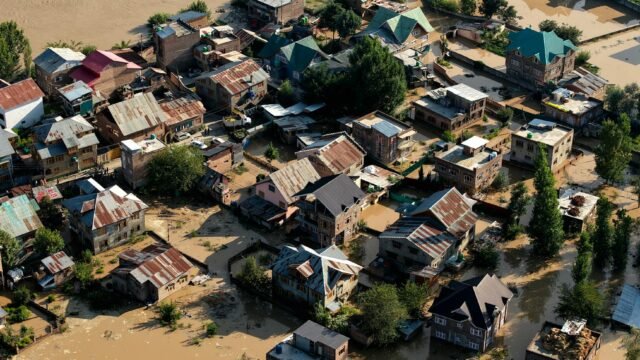
Residents of Bidur, Nepal, have begun returning to their towns in the aftermath of devastating floods that swept through the region. Days after the deluge, survivors are sifting through thick layers of mud, attempting to salvage whatever remains of their homes and belongings. The scale of destruction is immense, with entire communities left in ruins by the relentless waters.
Anupreeta Das, a correspondent for The New York Times, visited Bidur in the wake of the disaster, documenting the grim reality faced by those who survived. The scenes are heart-wrenching, as families confront the overwhelming task of rebuilding their lives from scratch. The mud, a thick and pervasive residue of the floods, coats everything, a stark reminder of the force that reshaped the landscape and livelihoods.
Information reaching Tahir Rihat suggests that the immediate aftermath of the floods has been characterized by a desperate search for missing persons and the assessment of widespread damage to infrastructure. The economic impact on the affected areas is expected to be significant, with agricultural lands inundated and homes destroyed. The process of recovery is likely to be long and arduous, requiring substantial aid and support from national and international bodies.
The floods, exacerbated by heavy monsoon rains and potential glacial melt in the Himalayas, have not only caused extensive property damage but have also led to a significant number of missing persons. Initial reports indicated that hundreds of foreign nationals were among those unaccounted for, highlighting the widespread reach of the disaster. The challenging terrain and the sheer volume of debris have complicated search and rescue operations, making it difficult to ascertain the full extent of the casualties.
As survivors return, they are met with a landscape transformed by mud and debris. The once familiar streets and homes are now unrecognizable, buried under silt and wreckage. The emotional toll on the affected population is profound, with many having lost not only their homes but also cherished possessions and, in some tragic cases, family members. The resilience of the Nepalese people is being tested as they face this immense challenge.
The efforts to clear the mud and assess the structural integrity of remaining buildings are underway, but the sheer volume of the task is daunting. Local authorities and aid organizations are working tirelessly to provide essential relief, including food, water, and temporary shelter. However, the scale of the need far outstrips the immediate resources available, underscoring the urgency for sustained assistance.
The long-term implications of these floods extend beyond immediate relief efforts. The disruption to agriculture, a cornerstone of Nepal’s economy, will have lasting consequences. Rebuilding homes and infrastructure will require significant investment and planning, with a focus on disaster-resilient construction methods to mitigate future risks. The environmental impact, including soil erosion and changes in water courses, will also need careful management.
The return of survivors to Bidur and other affected towns marks a new phase in the disaster response: the beginning of the long road to recovery. The immediate focus remains on providing humanitarian aid and ensuring the safety of the population. However, the broader challenge of rebuilding communities and restoring livelihoods will require a concerted and sustained effort over the coming months and years. The images emerging from the region paint a stark picture of loss, but also of the indomitable human spirit in the face of adversity.
The sheer force of the water has left an indelible mark on the landscape, with rivers overflowing their banks and reshaping the terrain. The mud, a constant presence, serves as a physical manifestation of the devastation. For the residents of Bidur, the return is not just about surveying damage; it is about confronting the reality of their shattered lives and beginning the monumental task of piecing them back together. The international community is being called upon to provide support as Nepal grapples with this natural disaster of significant proportions.
The challenges ahead are multifaceted, encompassing humanitarian aid, infrastructure reconstruction, and economic recovery. The government of Nepal, in collaboration with international partners, is working to coordinate relief efforts and develop long-term strategies for rebuilding. The resilience of the Nepalese people, often tested by natural calamities, will be crucial in navigating this period of profound loss and rebuilding their communities with hope for a more secure future.

Tahir Rihat (also known as Tahir Bilal) is an independent journalist, activist, and digital media professional from the Chenab Valley of Jammu and Kashmir, India. He is best known for his work as the Online Editor at The Chenab Times.


Leave a Reply