
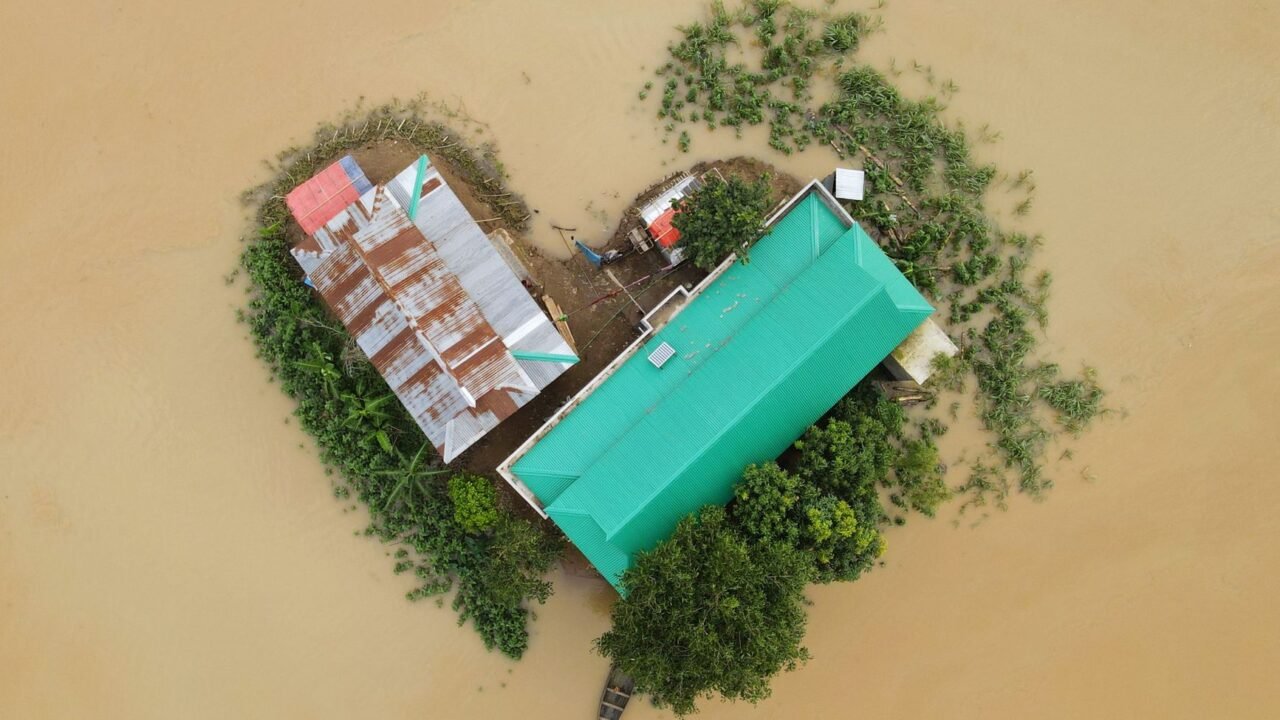
A catastrophic flood event has swept through a Himalayan river valley straddling Nepal and the Chinese territory of Tibet, resulting in at least 72 confirmed fatalities and leaving hundreds of individuals unaccounted for. The deluge, described as a wall of water, inundated villages and caused widespread destruction, according to Nepali authorities. The scale of the disaster is still being assessed as rescue and recovery operations commence in the affected regions.
Information reaching Tahir Rihat suggests that the missing individuals include a diverse group of people, encompassing border officials, port workers, and foreign tourists who were present in the area at the time of the incident. The sudden and violent nature of the floodwaters has made immediate rescue efforts extremely challenging, with many areas rendered inaccessible due to the extensive damage to infrastructure.
The exact cause of the flood is under investigation, but preliminary reports point to a sudden and massive surge of water originating from the mountainous terrain. Such events in the Himalayas can be triggered by a variety of factors, including heavy rainfall, glacial lake outburst floods (GLOFs), or landslides that dam rivers, leading to a catastrophic release of water. The geographical remoteness and ruggedness of the region further complicate the logistical challenges faced by emergency responders.
The Nepali government has mobilized its disaster management agencies and is coordinating with local authorities to provide immediate relief to the affected populations. Efforts are underway to establish temporary shelters, provide medical assistance, and distribute essential supplies to those who have been displaced by the floods. International aid organizations are also being consulted to bolster the response capabilities.
The loss of life and the extensive damage to property and infrastructure represent a significant blow to the communities in the affected valley. Many of these villages are remote and rely heavily on local agriculture and cross-border trade, both of which are likely to be severely impacted by the disaster. The economic repercussions for the region are expected to be substantial, requiring long-term recovery and rebuilding efforts.
The incident underscores the vulnerability of communities living in mountainous regions to extreme weather events and natural disasters. Climate change is increasingly being cited as a factor that exacerbates the frequency and intensity of such events, posing a growing threat to populations worldwide. Experts have long warned about the potential for increased GLOFs and landslides in the Himalayas due to rising global temperatures and changing precipitation patterns.
Further details regarding the specific locations affected, the number of displaced persons, and the full extent of the damage are expected to emerge as more information becomes available from the ground. The immediate priority remains the search for the missing and the provision of aid to survivors. The international community is likely to offer support as Nepal grapples with this devastating natural calamity.

Tahir Rihat (also known as Tahir Bilal) is an independent journalist, activist, and digital media professional from the Chenab Valley of Jammu and Kashmir, India. He is best known for his work as the Online Editor at The Chenab Times.




Leave a Reply