
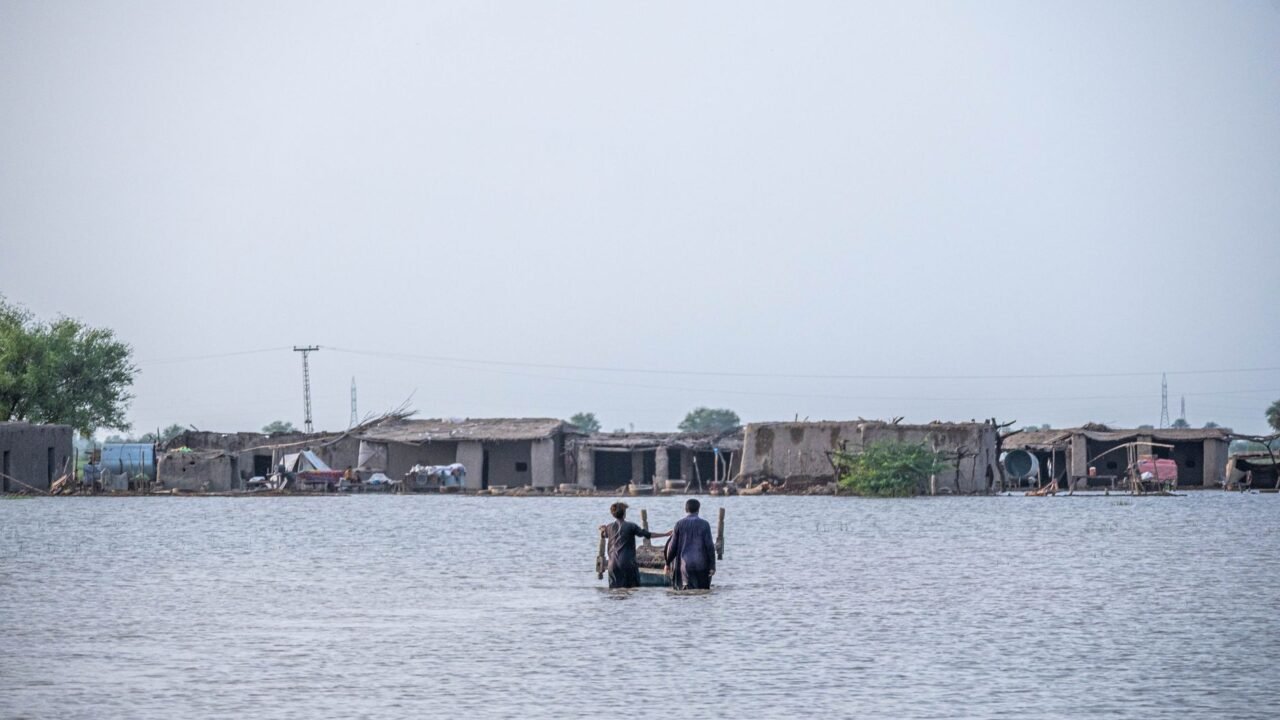
The Rasuwa district in Nepal, a region that has recently experienced significant economic development, is now grappling with the aftermath of a devastating flash flood. The disaster, which occurred on Wednesday, claimed the lives of over 160 people, highlighting a stark paradox of progress intertwined with vulnerability to natural calamities.
Information reaching Tahir Rihat suggests that the region has been a focal point for economic activity, attracting investment and fostering growth. This development has, however, not diminished its susceptibility to the destructive forces of nature. The recent flood serves as a grim reminder of the challenges faced by communities situated in disaster-prone areas, even as they strive for economic advancement.
The scale of the tragedy in Rasuwa underscores the complex relationship between development and disaster resilience. While economic growth can provide resources for mitigation and recovery, it can also sometimes lead to increased exposure if not accompanied by robust disaster preparedness and infrastructure planning. The area’s geographical location and environmental factors likely contribute to its recurrent vulnerability to floods and other natural disasters.
The economic boom in Rasuwa has been characterized by various development projects, potentially including infrastructure improvements and increased commercial activity. This progress has often been lauded as a sign of Nepal’s growing economy. However, the recent flood has brought into sharp focus the need to re-evaluate development strategies in light of inherent environmental risks. The loss of life and destruction of property in Rasuwa represent a significant setback, not only in humanitarian terms but also for the region’s economic trajectory.
The recurring nature of such disasters in Nepal, particularly in its mountainous and riverine regions, poses a persistent challenge to sustainable development. Experts have long pointed out the need for integrated approaches that prioritize disaster risk reduction alongside economic initiatives. The situation in Rasuwa is likely to intensify calls for stricter building codes, improved early warning systems, and community-based disaster management programs.
The economic impact of the flood is expected to be substantial. Beyond the immediate loss of life, the disaster has likely damaged critical infrastructure, including roads, bridges, and power lines, which are essential for economic activity. Agricultural lands may have been inundated, affecting livelihoods dependent on farming. The disruption to transportation networks could also hinder the movement of goods and people, impacting trade and tourism, sectors that have contributed to Rasuwa’s recent economic growth.
Reconstruction efforts will undoubtedly require significant financial investment and coordinated planning. The government and international aid organizations will face the dual challenge of providing immediate relief to affected populations and implementing long-term strategies to rebuild and enhance the region’s resilience against future disasters. The paradox of Rasuwa—a region experiencing economic progress while simultaneously being struck by devastating floods—serves as a critical case study for development planning in vulnerable areas worldwide.
The flash flood in Rasuwa is more than just a natural disaster; it is a complex event that intersects with economic development, environmental management, and societal resilience. The immediate focus will be on rescue and relief operations, followed by a comprehensive assessment of the damage and the formulation of recovery plans. The long-term implications for Rasuwa and similar regions in Nepal will depend on the ability to learn from this tragedy and implement more sustainable and disaster-resilient development models.
The international community often provides support in the wake of such disasters, and Nepal is likely to seek assistance for its recovery efforts. The effectiveness of this aid, coupled with national strategies, will be crucial in helping Rasuwa overcome this crisis and build a more secure future. The resilience of the human spirit in the face of such adversity will also be a key factor in the region’s recovery.
The economic boom that preceded this disaster highlights the potential for growth in regions like Rasuwa. However, the flood serves as a stark reminder that this growth must be balanced with a profound respect for environmental factors and a robust commitment to disaster preparedness. The lessons learned from this tragedy will be vital for shaping future development policies in Nepal and other disaster-prone nations.
The ongoing situation in Rasuwa demands a multifaceted response, encompassing immediate humanitarian aid, infrastructure repair, and long-term strategies for disaster risk reduction. The region’s ability to recover and rebuild will be a testament to its resilience and the effectiveness of the support it receives. The paradox of development and disaster in Rasuwa is a complex challenge that requires sustained attention and innovative solutions.

Tahir Rihat (also known as Tahir Bilal) is an independent journalist, activist, and digital media professional from the Chenab Valley of Jammu and Kashmir, India. He is best known for his work as the Online Editor at The Chenab Times.




Leave a Reply