
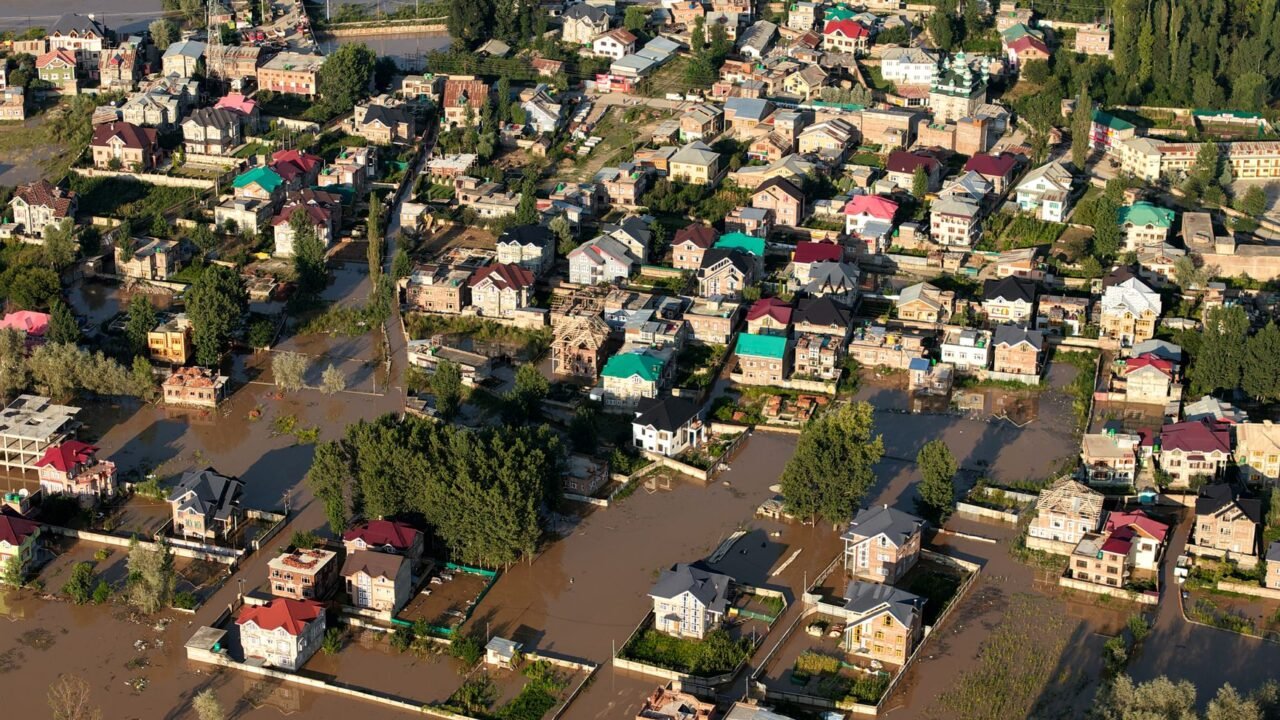
Nepal’s newly elected Prime Minister, Balendra Shah, a 36-year-old leader who ascended to power this year amidst widespread youth discontent over corruption and governmental inefficiency, is now confronting a formidable test of his administration. The nation is grappling with the aftermath of severe flooding, a disaster that has underscored the urgent need for effective governance and robust recovery efforts.
Information reaching Tahir Rihat suggests that the scale of the devastation wrought by the recent floods presents a Herculean task for Shah’s nascent government. The challenges are multifaceted, encompassing immediate relief for displaced populations, the rebuilding of critical infrastructure, and the long-term economic and social recovery of affected regions. The Prime Minister’s rise to prominence was fueled by a potent wave of public frustration, particularly among younger demographics, who expressed a strong desire for change and accountability in Nepal’s political landscape. This mandate now places immense pressure on his leadership to deliver tangible results in the face of overwhelming adversity.
The floods have not only caused widespread destruction of homes and agricultural land but have also severely impacted Nepal’s already fragile infrastructure. Roads, bridges, and communication networks have been damaged, hindering rescue operations and the delivery of essential supplies. The economic repercussions are expected to be significant, with agricultural losses potentially exacerbating food insecurity and impacting the livelihoods of a large segment of the population. As per information available with Tahir Rihat, the government’s ability to mobilize resources, coordinate relief efforts, and implement effective reconstruction strategies will be crucial in determining the speed and success of the nation’s recovery.
Prime Minister Shah, often referred to as a Gen Z leader, represents a new generation of politicians in Nepal. His platform emphasized a departure from traditional politics, promising transparency and a focus on addressing the systemic issues that have plagued the country. The current crisis offers him an opportunity to demonstrate his leadership capabilities and to translate his reformist agenda into action. However, the complexities of disaster management, coupled with the ingrained challenges of corruption and bureaucratic inertia, mean that this will be a demanding period for his administration.
The international community is likely to play a role in supporting Nepal’s recovery efforts, with humanitarian aid and financial assistance being critical components. The effectiveness of the Nepali government in managing these external resources and integrating them into a coherent national recovery plan will be closely watched. The success of Prime Minister Shah’s tenure may well be defined by how his government navigates this unprecedented crisis and its ability to foster a sense of hope and progress among its citizens. The coming months will be a critical period for assessing the resilience of Nepal’s institutions and the capacity of its young leadership to steer the nation through this profound challenge.
The floods have also highlighted the vulnerability of Nepal to climate-related disasters, raising questions about long-term preparedness and mitigation strategies. As a mountainous country with a significant portion of its population reliant on agriculture, Nepal is particularly susceptible to the impacts of extreme weather events. The government’s response to the current crisis will need to be coupled with a forward-looking approach that addresses climate resilience and disaster risk reduction to safeguard the nation’s future development.
The youth who propelled Shah to power are now looking to him for decisive action and a clear path forward. The government’s communication strategy, its ability to maintain public trust, and its commitment to equitable distribution of aid and resources will be paramount. The challenges are immense, but the opportunity for transformative change, spurred by a new generation of leadership, is also present. The coming period will be a defining moment for Nepal and its young Prime Minister as he endeavors to rebuild a nation battered by natural disaster and burdened by years of political and economic struggles.

Tahir Rihat (also known as Tahir Bilal) is an independent journalist, activist, and digital media professional from the Chenab Valley of Jammu and Kashmir, India. He is best known for his work as the Online Editor at The Chenab Times.


Leave a Reply