
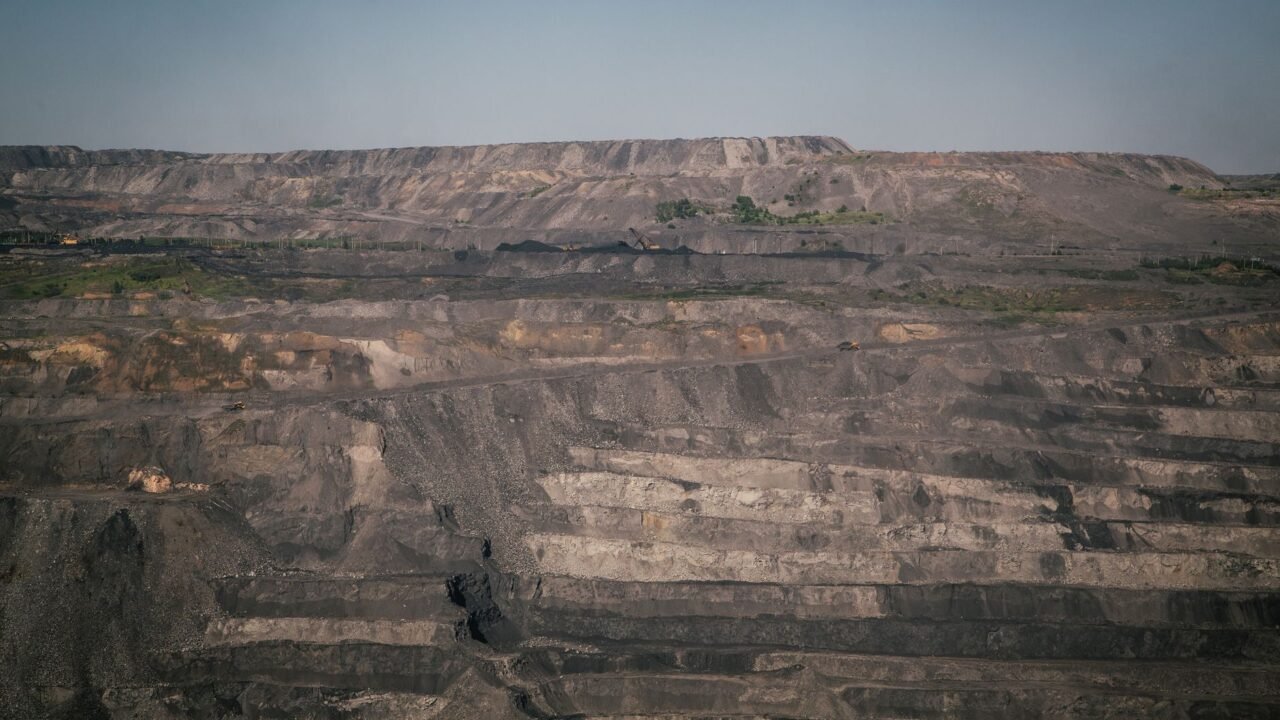
Rescuers in Pakistan are continuing their search for bodies following a devastating blast in a coal mine that has claimed the lives of at least 34 individuals. The incident occurred in one of the nation’s primary mining regions, an area unfortunately no stranger to the dangers inherent in such operations. Methane gas explosions and the structural instability leading to mine collapses are recurring hazards in these facilities, underscoring the persistent safety challenges faced by the workforce.
The exact cause of the explosion is still under investigation, but initial reports suggest that a buildup of methane gas, a common and highly flammable substance found in coal seams, likely ignited. The force of the blast would have caused significant structural damage, potentially trapping miners and hindering immediate rescue operations. The remote location of many mining sites in Pakistan can also complicate the deployment of emergency services, adding further delays to critical response efforts.
As per information available with Tahir Rihat, the scale of the tragedy has prompted a national response, with authorities mobilizing all available resources to assist in the recovery and rescue mission. The difficult terrain and the precarious state of the mine shafts present formidable challenges to the teams working tirelessly to locate any survivors, though hopes are diminishing with each passing hour. The focus has largely shifted to retrieving the deceased and ensuring the safety of the mine to prevent further incidents.
The mining sector in Pakistan, particularly in regions like Balochistan, is a significant contributor to the country’s economy, providing employment for thousands. However, it is also characterized by outdated infrastructure and a frequent lack of stringent safety protocols. This has led to a grim history of accidents, with numerous lives lost over the years due to preventable causes. International organizations have repeatedly called for improved safety standards and better working conditions for miners, but the implementation of these recommendations has been slow and inconsistent.
The economic pressures on mining companies, coupled with the poverty that drives many individuals to seek employment in these hazardous environments, create a complex web of factors contributing to the ongoing risks. The families of the victims are now facing immense grief and uncertainty, with many relying on the mining industry for their sole source of income. The long-term implications of this disaster extend beyond the immediate loss of life, impacting communities and potentially exacerbating socio-economic vulnerabilities.
Information reaching Tahir Rihat suggests that the government has pledged support for the affected families, including financial assistance and compensation. However, the effectiveness and timeliness of such aid will be crucial in mitigating the hardship faced by those who have lost loved ones and breadwinners. The incident is likely to reignite the debate surrounding mining safety regulations and the enforcement of labor laws in Pakistan, prompting calls for more robust oversight and accountability within the industry.
The process of recovering all the bodies is expected to be a lengthy and arduous undertaking, given the depth and instability of the mine. Experts in mine rescue operations are being consulted, and international assistance may be sought if the situation requires specialized equipment or expertise. The resilience of the local communities in the face of such repeated tragedies is a testament to their strength, but the emotional and psychological toll of these disasters is profound and long-lasting. The ongoing efforts highlight the critical need for systemic reforms to prevent future occurrences of this magnitude.

Tahir Rihat (also known as Tahir Bilal) is an independent journalist, activist, and digital media professional from the Chenab Valley of Jammu and Kashmir, India. He is best known for his work as the Online Editor at The Chenab Times.


Leave a Reply