
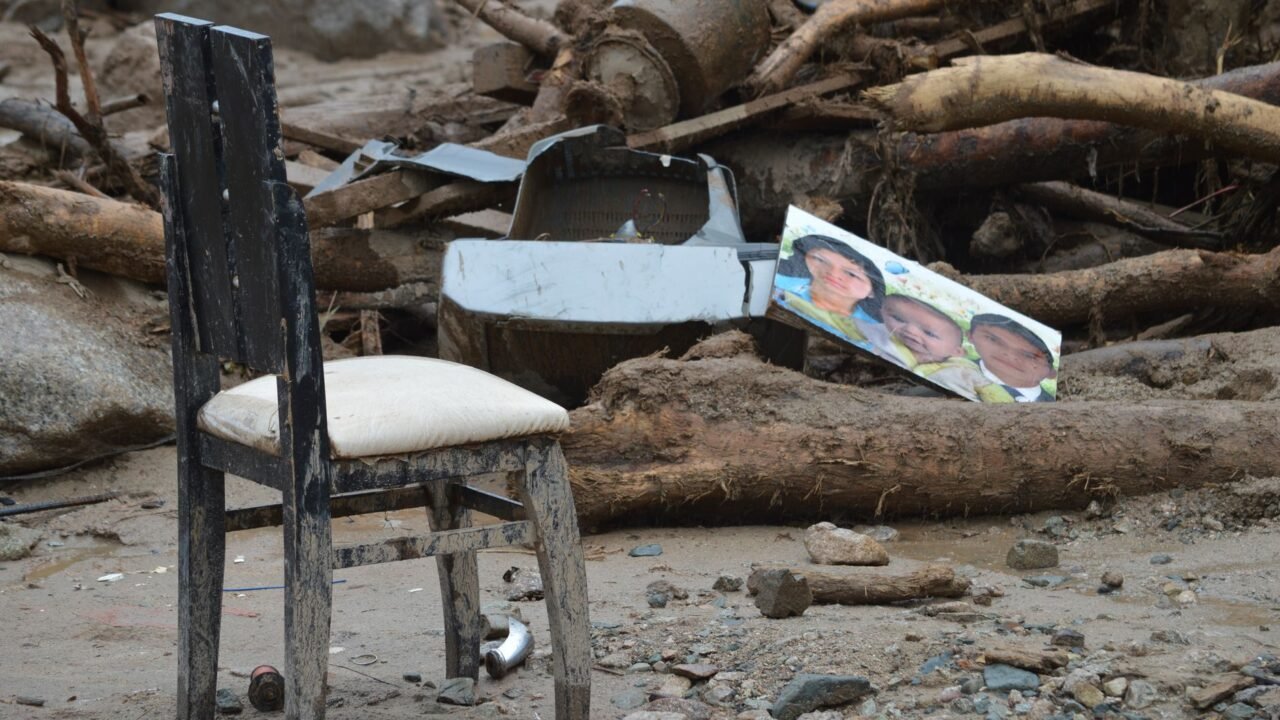
Peoples Democratic Party (PDP) president Mehbooba Mufti on Sunday visited several areas in the Rajouri district that were devastated by recent flash floods and a cloudburst, calling for immediate relief and rehabilitation measures for affected families. During her on-site assessment, Mufti engaged with residents who reported a lack of substantial government assistance following the natural disaster.
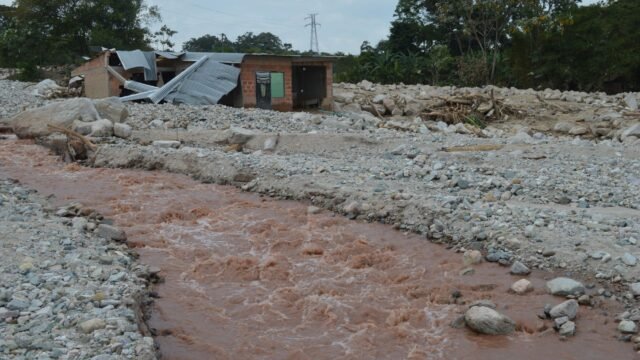
Information reaching Tahir Rihat suggests that the floodwaters and the cloudburst caused extensive damage to residential properties, agricultural lands, and commercial establishments. Families are reportedly struggling to reconstruct their homes, restore their sources of income, and resume farming activities. Mufti expressed deep sorrow over the loss of lives attributed to the extreme weather events, emphasizing the urgent need for the government to address the crisis with the seriousness it warrants.
“The government must immediately reach out to affected families with adequate relief and rehabilitation measures. Victims should not be left to fend for themselves during this difficult period,” Mufti stated. Speaking to reporters at the scene, the PDP chief reiterated her demand for the swift disbursement of relief and compensation to all individuals who suffered losses due to the floods.
Mufti specifically appealed to the administration to provide a government job to a member of the family of Abdul Ghani, a resident of Alal Mangota. Ghani’s body has reportedly not yet been recovered since the floods. The PDP president highlighted that Ghani’s family deserves exceptional consideration and immediate support, given the profound loss they have endured and the ongoing uncertainty surrounding his whereabouts. She further demanded appropriate compensation for all families in Rajouri who have been most severely impacted, particularly those who have lost their homes, agricultural land, businesses, and other essential means of livelihood.
The former Chief Minister also advocated for a thorough and comprehensive assessment of the total damage inflicted by the floods. She urged the government to ensure that relief efforts reach every affected family without any undue delay. The PDP’s call underscores the critical need for a coordinated and effective response to mitigate the suffering of those impacted by the natural calamity in Rajouri.
The extent of the damage in Rajouri has prompted widespread concern, with residents recounting harrowing experiences of losing property and livelihoods overnight. The flash floods, exacerbated by a cloudburst, swept through several villages, leaving a trail of destruction. Initial reports indicate that the water levels rose rapidly, catching many residents off guard. The agricultural sector, a primary source of income for many in the region, has been particularly hard-hit, with fields inundated and crops destroyed. Businesses operating in low-lying areas have also suffered significant losses, with stocks damaged and infrastructure compromised.
The human cost of the disaster is also a major point of concern. The loss of life has cast a pall over the affected communities, and the ongoing search for missing individuals adds to the distress. Families are grappling not only with the immediate aftermath of the floods but also with the long-term implications for their economic stability and well-being. The demand for government jobs for the families of victims, as voiced by Mehbooba Mufti, reflects the deep-seated need for sustainable support beyond immediate relief packages.
Political leaders and social organizations are increasingly calling for a more robust disaster management framework in the region. The recurring nature of such events, whether floods or landslides, highlights the vulnerability of certain areas to extreme weather conditions. Experts suggest that improved early warning systems, better infrastructure resilience, and comprehensive land-use planning are crucial steps in mitigating future risks. The current situation in Rajouri serves as a stark reminder of the challenges faced by communities in disaster-prone areas and the imperative for proactive governance.
The assessment of damage is expected to be a complex process, involving detailed surveys of affected properties and agricultural lands. The compensation process needs to be transparent and efficient to ensure that aid reaches those most in need without bureaucratic hurdles. The PDP’s emphasis on a comprehensive assessment suggests a desire for a systematic approach that accounts for all forms of loss, including intangible damages to livelihoods and psychological distress. The coming days will likely see increased pressure on the administration to expedite relief operations and provide a clear roadmap for long-term rehabilitation.
The situation in Rajouri is being closely watched by various stakeholders, including national and international aid agencies, who may be called upon to supplement government efforts. The scale of the disaster necessitates a multi-pronged approach, involving not only financial assistance but also technical support for rebuilding and restoring infrastructure. The focus on immediate relief, as advocated by Mufti, is critical for addressing the immediate needs of the affected population, while the call for rehabilitation points towards the necessity of long-term recovery strategies.
The recovery process is anticipated to be lengthy and challenging, requiring sustained commitment from all parties involved. The resilience of the affected communities will be tested, and their ability to rebuild their lives will depend significantly on the effectiveness and timeliness of the support they receive. The PDP’s intervention highlights the political dimension of disaster response, with opposition parties often playing a crucial role in advocating for the rights and needs of affected citizens. The coming weeks are expected to be pivotal in determining the trajectory of relief and rehabilitation efforts in Rajouri.

Tahir Rihat (also known as Tahir Bilal) is an independent journalist, activist, and digital media professional from the Chenab Valley of Jammu and Kashmir, India. He is best known for his work as the Online Editor at The Chenab Times.

Leave a Reply