
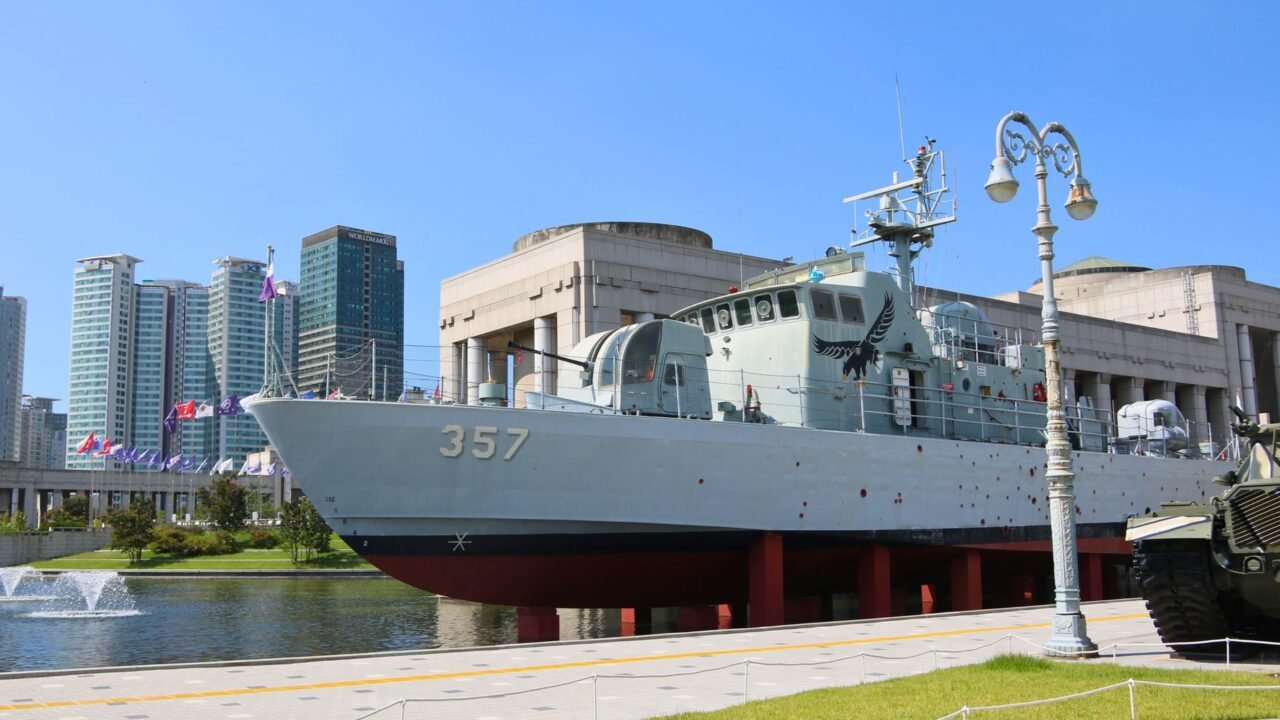
Seoul, South Korea – A new museum dedicated to South Korea’s tumultuous journey toward democracy is confronting the nation’s history of brutal suppression, a past that is increasingly resurfacing in troubling ways in contemporary society. The National Museum of Korean Democracy, which opened its doors last year, meticulously documents an era marked by authoritarian rule and the widespread denial of fundamental freedoms. Its exhibits aim to educate visitors about the sacrifices made by activists and ordinary citizens who fought for the democratic rights now taken for granted.
Information reaching Tahir Rihat suggests that the museum’s opening comes at a critical juncture, as South Korea grapples with renewed debates about historical memory and the enduring impact of its authoritarian past. The displays within the museum chronicle periods of intense political repression, including student protests, labor strikes, and the violent crackdowns that often followed. These events, once relegated to the shadows of national history, are now being brought into sharper focus, prompting reflection on how such dark chapters continue to shape the present.
The museum’s narrative is not merely a historical recounting; it is a deliberate effort to draw parallels between past struggles and present-day challenges. As South Korea has solidified its democratic institutions, certain aspects of its authoritarian legacy appear to be re-emerging in subtle yet significant ways. The exhibits highlight the mechanisms of control employed by past regimes, including surveillance, censorship, and the suppression of dissent, elements that some observers argue bear a disquieting resemblance to contemporary societal trends.
One of the central themes explored by the museum is the resilience of the human spirit in the face of adversity. Through personal testimonies, archival footage, and artifacts, visitors are exposed to the stories of individuals who risked their lives to advocate for change. These narratives underscore the courage required to challenge entrenched power structures and the long, arduous path that led to the establishment of a vibrant democracy. The museum’s curators have emphasized the importance of remembering these struggles to prevent the recurrence of similar injustices.
However, the museum’s mission to foster a deeper understanding of South Korea’s democratic evolution is complicated by contemporary events. The very act of confronting this violent past has, in some instances, ignited fresh controversies and highlighted ongoing societal divisions. The museum’s efforts to preserve and present this history are seen by some as essential for national healing and reconciliation, while others may view certain aspects of the exhibits as divisive or politically charged. This tension underscores the complex and often sensitive nature of grappling with a nation’s historical trauma.
The exhibits detail the systematic suppression of political opposition, the curtailment of press freedom, and the pervasive atmosphere of fear that characterized certain periods. The museum meticulously reconstructs the methods used by state apparatuses to maintain control, from the use of intelligence agencies to monitor citizens to the manipulation of legal frameworks to silence critics. These accounts serve as stark reminders of the fragility of democratic freedoms and the constant vigilance required to protect them.
Furthermore, the museum delves into the economic policies of the era, often implemented under authoritarian regimes, and their long-term consequences. While these policies were credited with driving rapid economic growth, they were also frequently accompanied by the exploitation of labor and the exacerbation of social inequalities. The museum presents a nuanced view, acknowledging the economic progress while critically examining the human cost associated with it. This approach encourages a more comprehensive understanding of the trade-offs made during South Korea’s development.
The opening of the National Museum of Korean Democracy is more than just the inauguration of a new cultural institution; it represents a national reckoning with a difficult past. By providing a dedicated space for historical inquiry and public education, the museum aims to equip current and future generations with the knowledge and critical perspective needed to safeguard their democratic inheritance. The ongoing relevance of these historical narratives is amplified by the museum’s commitment to fostering dialogue and encouraging a deeper engagement with the principles of democracy and human rights.
The museum’s collection includes a wide array of primary source materials, such as declassified government documents, personal diaries of activists, photographs capturing moments of protest and repression, and audio recordings of speeches and interviews. These materials are presented in a manner that seeks to immerse visitors in the historical context, allowing them to experience the gravity of the events firsthand. The curatorial approach prioritizes authenticity and aims to provide an unvarnished account of the struggles for freedom.
As South Korea continues to navigate its path as a mature democracy, the lessons embedded within the National Museum of Korean Democracy are likely to remain profoundly relevant. The institution serves as a crucial reminder that the freedoms enjoyed today were hard-won and require continuous effort to uphold. The echoes of its violent past, as highlighted by the museum, serve as a potent warning against complacency and a call to action for the preservation of democratic values in an ever-changing world.

Tahir Rihat (also known as Tahir Bilal) is an independent journalist, activist, and digital media professional from the Chenab Valley of Jammu and Kashmir, India. He is best known for his work as the Online Editor at The Chenab Times.


Leave a Reply