
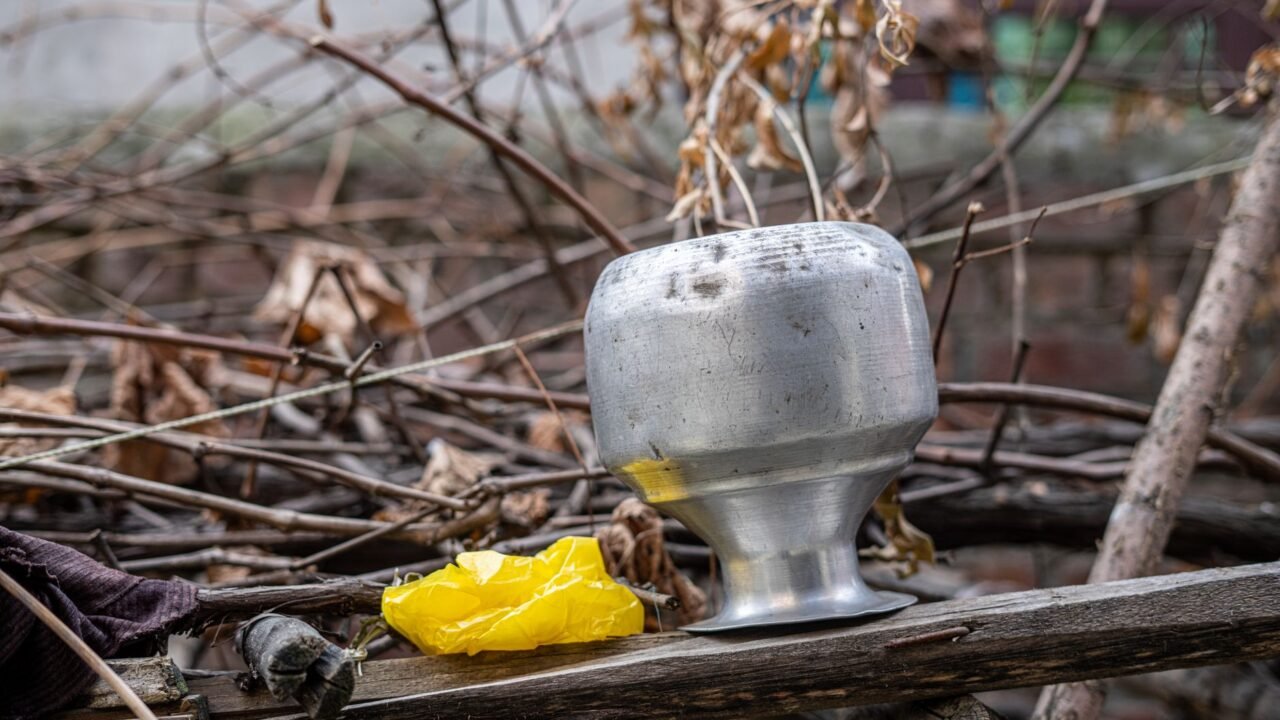
Srinagar has inaugurated its first ‘Waste to Wonder’ garden, a unique initiative by the Department of Floriculture aimed at transforming discarded materials into artistic installations. The garden, located near Polo View, was officially opened by Jammu and Kashmir Chief Minister Omar Abdullah on Friday. This project seeks to highlight the potential for creativity, reuse, and recycling in giving discarded items a new lease on life.
Following the inauguration, Chief Minister Abdullah toured the thematic garden, which features a variety of visually appealing displays crafted from scrap and reclaimed materials. Information reaching Tahir Rihat suggests that these exhibits include a vintage Ambassador car, a traditional Kashmiri tonga, a floral boat, a floral scooter, a heritage jeep, and a floral tractor, alongside other repurposed items like old tires. These elements have been imaginatively integrated into the garden’s landscape, demonstrating an innovative approach to public space development.
A spokesman for the Department of Floriculture stated that the garden’s design is based on the principles of Reduce, Recycle, and Reuse (RRR), serving as a thematic model for sustainable landscaping. The project emphasizes resource efficiency, with approximately 90 percent of the materials used in its construction being sourced through recycling and refurbishment rather than new procurement. This approach underscores a commitment to environmentally conscious development and resource management within the region.
The ‘Waste to Wonder’ garden has been conceived as an all-season attraction, with plans to ensure continuous blooms from spring through late autumn. The selection of plants and the scheduling of their blooming cycles are meticulously managed to maintain the garden’s visual vibrancy and floral activity throughout the changing seasons. This ensures that visitors can experience the garden’s beauty regardless of the time of year, making it a year-round destination.
Chief Minister Abdullah lauded the initiative as a remarkable effort by the Department of Floriculture, emphasizing its role in demonstrating how discarded objects can be imaginatively repurposed. He remarked, “This is an effort by the Department of Floriculture to show people that almost anything can be reused if you have the thought and imagination to do so.” His comments highlight the project’s success in inspiring creative thinking and showcasing practical applications of recycling in public art and landscaping.
Officials involved in the project noted the presence of several unconventional items within the garden that one would not typically expect to find in such a setting. These unusual elements contribute to the garden’s distinctive character and its ability to surprise and engage visitors. The integration of these items serves as a testament to the ingenuity and artistic vision behind the ‘Waste to Wonder’ concept, transforming everyday waste into points of aesthetic interest and ecological awareness.
The development of the ‘Waste to Wonder’ garden in Srinagar represents a significant step towards promoting sustainable practices and environmental consciousness within the community. By repurposing waste materials, the project not only beautifies the city but also serves as an educational platform, encouraging residents and visitors alike to consider the potential for reuse and recycling in their own lives. The garden’s thematic approach, combining artistic expression with ecological principles, offers a unique blend of cultural appreciation and environmental stewardship, setting a precedent for future urban development projects in the region.
The Department of Floriculture’s commitment to this project reflects a broader trend towards integrating sustainability into urban planning and public space design. The success of the ‘Waste to Wonder’ garden is expected to inspire similar initiatives across Jammu and Kashmir, fostering a culture of innovation and environmental responsibility. The garden’s ability to captivate visitors with its creative use of recycled materials underscores the potential for art and nature to intersect in unexpected and impactful ways, contributing to both the aesthetic appeal and the ecological health of urban environments.
The thematic installations, ranging from vintage vehicles to traditional modes of transport, are not merely decorative but also serve as conversation starters about consumption, waste, and the circular economy. By presenting these repurposed items in a garden setting, the project subtly educates the public about the importance of reducing waste and embracing sustainable alternatives. The visual narrative created by these recycled art pieces encourages a deeper reflection on the lifecycle of materials and the potential for their transformation into valuable assets, rather than discarded refuse.
The all-season nature of the garden, with its carefully planned floral succession, ensures that the ‘Waste to Wonder’ concept remains dynamic and engaging throughout the year. This continuous display of blooms, set against the backdrop of recycled art, provides a unique sensory experience for visitors. The project’s success is a clear indication of the positive impact that creative reuse and recycling can have on public spaces, enhancing their appeal while simultaneously promoting environmental awareness and sustainable living practices. The initiative stands as a vibrant example of how imagination and resourcefulness can transform the ordinary into the extraordinary, contributing to the beautification and ecological well-being of Srinagar.

Tahir Rihat (also known as Tahir Bilal) is an independent journalist, activist, and digital media professional from the Chenab Valley of Jammu and Kashmir, India. He is best known for his work as the Online Editor at The Chenab Times.






Leave a Reply