
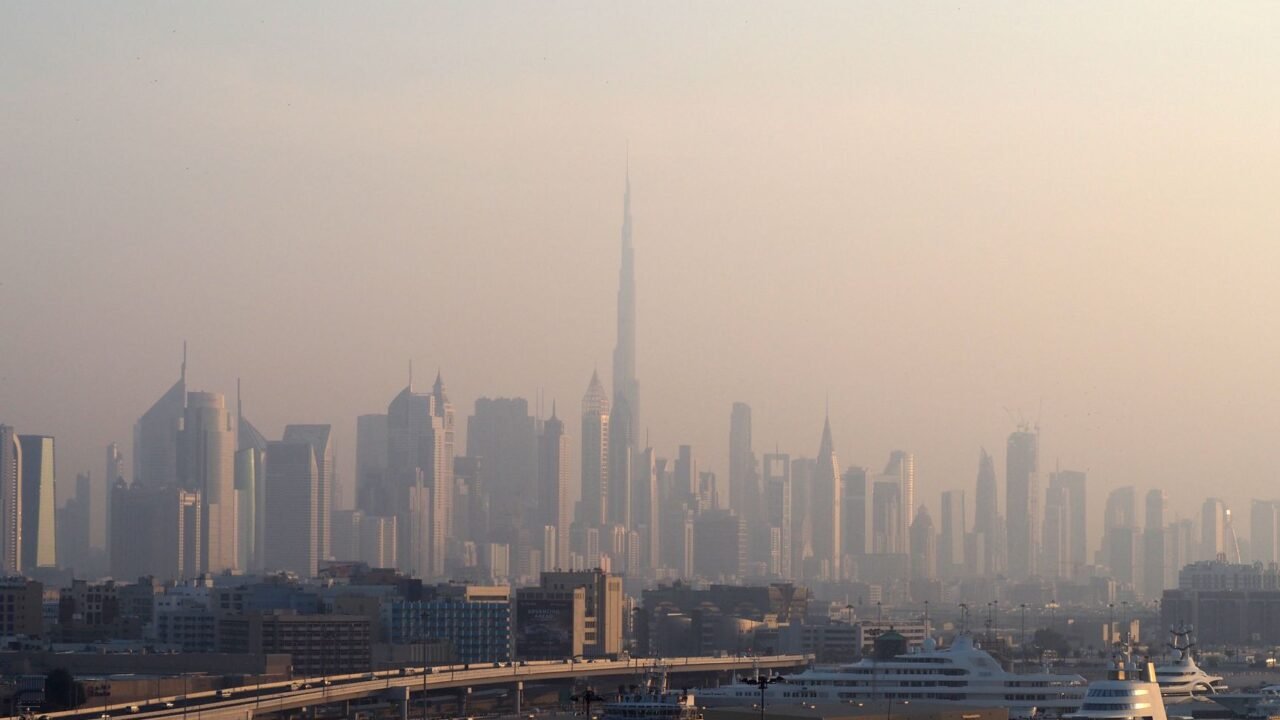
The United Arab Emirates has announced a cessation of trade with Iran, a move that aligns with the United States‘ escalating efforts to isolate Tehran. The decision by the UAE, a significant regional economic hub, is expected to have substantial implications for Iran’s trade networks and its ability to circumvent international sanctions.
For years, the Emirates has served as a crucial conduit for Iranian trade, with analysts suggesting it has played a vital role in Tehran’s strategies to evade global sanctions. Emirati officials have consistently denied these allegations. The halt in trade signifies a notable shift in the UAE’s engagement with Iran, potentially driven by a combination of geopolitical pressures and a desire to recalibrate its international economic relationships.
The United States, under the current administration, has intensified its campaign to isolate Iran through various economic and diplomatic measures. This strategy aims to curb Iran’s nuclear program and its regional influence. The UAE’s decision to cut trade ties is seen as a direct response to this pressure, underscoring the growing international consensus against Iran’s current policies. Information reaching Tahir Rihat suggests that this move is part of a broader regional realignment influenced by Washington’s foreign policy objectives.
The economic ties between the UAE and Iran are extensive, encompassing a wide range of goods and services. Dubai, in particular, has been a major center for Iranian businesses and financial transactions. The suspension of these activities will undoubtedly create significant disruptions for Iranian entities that have relied on the UAE’s infrastructure to conduct their international commerce. The full extent of the economic impact on Iran is yet to be determined, but it is anticipated to be considerable, potentially affecting the availability of imported goods and the flow of revenue.
Analysts suggest that this development could force Iran to seek alternative trade routes and partners, which may prove more challenging and costly. The UAE’s compliance with U.S. pressure also reflects the complex geopolitical dynamics at play in the Middle East, where regional powers are often caught between competing global interests. The Emirates’ strategic location and its role as a global trade hub make its decisions highly influential in regional and international economic affairs.
The denial of facilitating sanctions evasion by Emirati officials has been a recurring theme in bilateral relations. However, the latest action indicates a decisive shift, possibly signaling a more stringent enforcement of international regulations or a strategic decision to align more closely with U.S. foreign policy. The implications for the broader GCC region and its trade relationships with Iran are also significant, as other nations may face similar pressures to review their own economic ties.
The halt in trade is not an isolated event but rather a component of a larger strategy by the U.S. to exert maximum pressure on Iran. This includes sanctions on its oil exports, financial institutions, and individuals involved in its nuclear program. The UAE’s participation in this isolation campaign amplifies the economic strain on Iran, potentially impacting its ability to fund its domestic programs and regional activities. The international community will be closely watching how Iran responds to this increased economic pressure and whether it leads to any significant policy changes.
The economic relationship between the UAE and Iran has historically been robust, with bilateral trade reaching billions of dollars annually. This trade has included a diverse array of products, from consumer goods to industrial materials. The cessation of these commercial activities will not only affect Iranian businesses but also UAE-based companies that have profited from this trade. The long-term consequences for both economies and the broader regional trade landscape are subjects of ongoing analysis among economic experts.
The decision by the UAE to halt trade with Iran is a significant development in the ongoing geopolitical tensions between Iran and the United States and its allies. It underscores the effectiveness of U.S. diplomatic pressure and its ability to influence the economic policies of key regional partners. The future trajectory of Iran’s economy and its international standing will likely be shaped by its ability to navigate these increasing economic challenges and sanctions.

Tahir Rihat (also known as Tahir Bilal) is an independent journalist, activist, and digital media professional from the Chenab Valley of Jammu and Kashmir, India. He is best known for his work as the Online Editor at The Chenab Times.




Leave a Reply