
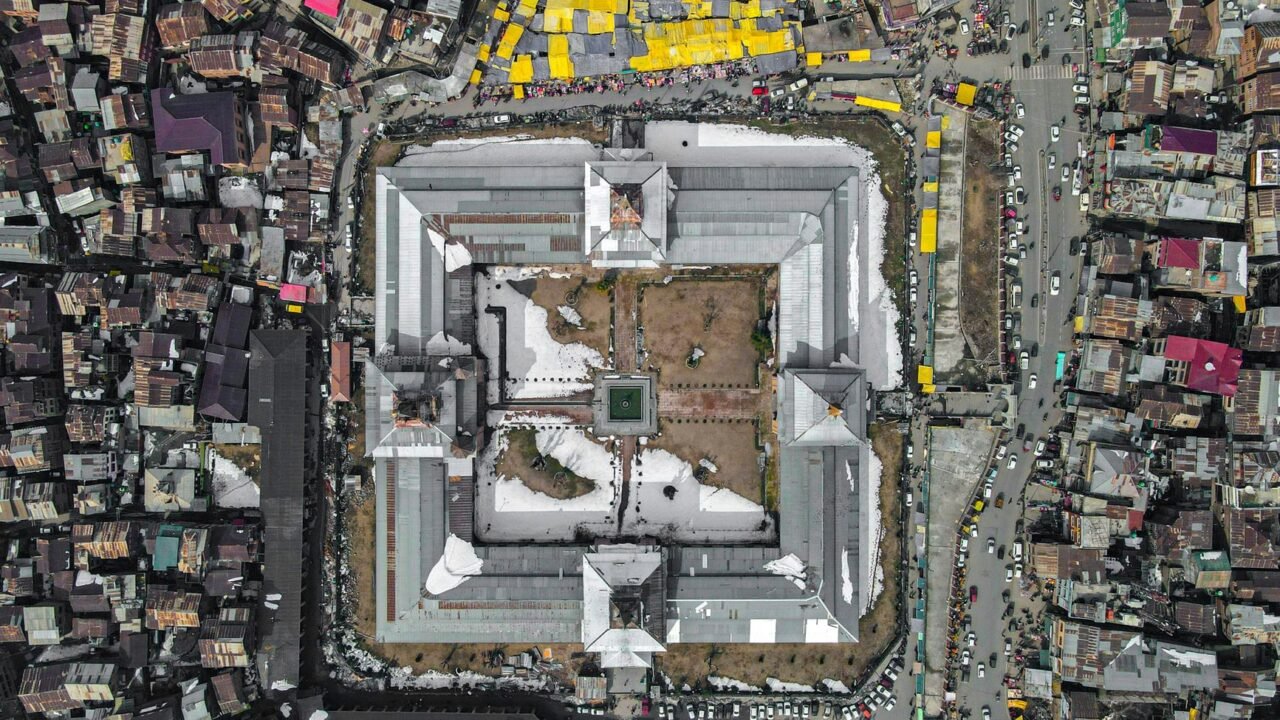
Jammu and Kashmir Chief Minister Omar Abdullah convened a high-level meeting on Tuesday to meticulously review the preparations for the upcoming Darbar Move Session 2026-27. The primary objective of the session was to ensure a seamless, secure, and well-coordinated transition of government offices from Srinagar to Jammu, with a strong emphasis on providing adequate facilities for the administrative staff. The Chief Minister’s directive underscored the importance of a smooth operational shift, a practice deeply ingrained in the administrative fabric of the region.
During the extensive deliberations, various critical aspects of the annual relocation were scrutinized. These included the intricate details of transport logistics, robust security measures, accommodation arrangements for employees, and overall operational planning for the massive undertaking. Commissioner Secretary of the General Administration Department (GAD), M Raju, provided a comprehensive briefing on the proposed movement plan and the convoy arrangements designed to facilitate the efficient transfer of personnel and official records. Information reaching Tahir Rihat suggests that the administration is prioritizing a phased approach to minimize disruption.
The Chief Minister issued specific instructions to the Managing Director of the Jammu and Kashmir Road Transport Corporation (JKRTC) and the Traffic Department. He mandated the ensuring of sufficient bus availability and the strategic organization of the down convoy over a two-day period, scheduled for October 31 and November 1. This timeframe is intended to guarantee the safe and efficient transportation of both employees and vital official documents. Omar Abdullah stressed the paramount importance of close inter-departmental coordination to ensure that the entire movement process is as hassle-free as possible for all involved stakeholders.
A significant portion of the meeting was dedicated to reviewing the security protocols and traffic management strategies along the crucial Jammu-Srinagar National Highway. The Chief Minister urged the Police Department and other relevant security agencies to implement comprehensive arrangements. Particular attention was to be paid to the residential areas in Jammu where government employees would be housed during their tenure, ensuring their safety and well-being. The administration’s commitment to security was highlighted as a key priority in this year’s transition.
Attendees were informed about the medical support system that will be in place throughout the convoy route. Ambulances, along with dedicated medical teams comprising doctors and paramedical staff, are to be deployed strategically across both the Kashmir and Jammu divisions. This measure aims to provide immediate medical assistance should any emergencies arise during the transit, reflecting a proactive approach to employee welfare. The availability of medical services is a critical component of the logistical planning for the Darbar Move.
Further discussions focused on the arrangements for food, hospitality, and other essential services required during the transition. The Divisional Commissioner of Jammu was tasked with assessing the traffic management situation within the city of Jammu itself. Additionally, this official was directed to identify suitable locations along the convoy route for the establishment of food stalls and public convenience facilities, including much-needed washrooms, to cater to the needs of the traveling employees. These provisions are aimed at enhancing the comfort and convenience of the staff during their journey.
The operational efficiency of the Winter Secretariat, which remains functional in Srinagar, was also reviewed. Chief Minister Omar Abdullah directed the General Administration Department to establish and issue monthly rosters for Ministers and Administrative Secretaries. These rosters will ensure that key officials are stationed at the Winter Secretariat in Srinagar starting from November, maintaining administrative continuity and accessibility during the period when the main offices are shifting. This ensures that governance continues without significant interruption.
In a move designed to support the employees undertaking the relocation, the Chief Minister further directed that special casual leave be granted to Kashmir-based employees who are shifting to Jammu as part of the Darbar Move. This provision acknowledges the logistical and personal challenges associated with the annual shift and aims to ease the transition for the staff. Officials present at the meeting confirmed that a formal order detailing this special leave provision would be issued shortly, providing clarity and official sanction to the arrangement. The administration’s focus on employee welfare is a notable aspect of this year’s Darbar Move preparations.

Tahir Rihat (also known as Tahir Bilal) is an independent journalist, activist, and digital media professional from the Chenab Valley of Jammu and Kashmir, India. He is best known for his work as the Online Editor at The Chenab Times.



Leave a Reply