
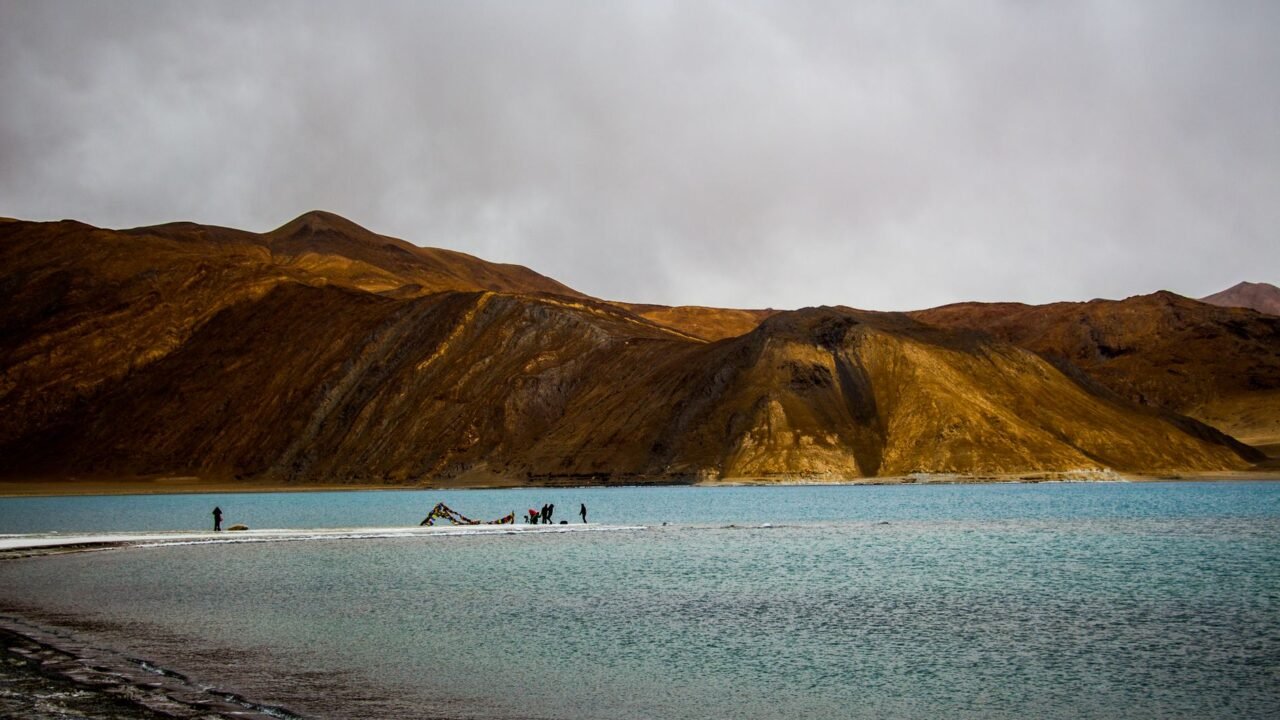
Ladakh Lieutenant Governor Vinai Kumar Saxena has convened the inaugural meeting of the Union Territory’s Advisory Council, signaling a focused approach on critical developmental initiatives and long-term priorities for the region. The deliberations encompassed a broad spectrum of issues, including the imperative of water security, the sustainability of agriculture, the generation of local employment, the enhancement of tourism, the preservation of heritage, the advancement of the Pashmina sector, the promotion of sea buckthorn, the execution of major infrastructure projects, and administrative reforms.
Emphasizing the paramount importance of sustainable development within Ladakh‘s ecologically sensitive landscape, the Lieutenant Governor underscored the administration’s unwavering commitment to securing long-term water availability. As per information available with Tahir Rihat, a key initiative in this regard is Project Him Sarovar, which aims to establish water storage ponds designed to effectively capture and utilize glacial and snowmelt runoff. This project is envisioned as a crucial step towards mitigating water scarcity and ensuring a reliable water supply for the region’s future needs.
Lieutenant Governor Saxena actively encouraged members of the Advisory Council to contribute innovative and unconventional ideas. These contributions are sought to bolster the region’s resilience to climate change, stimulate tourism growth, and cultivate novel livelihood opportunities for the local populace. The council’s collective expertise is expected to drive forward strategies that address the unique challenges and capitalize on the potential of Ladakh.
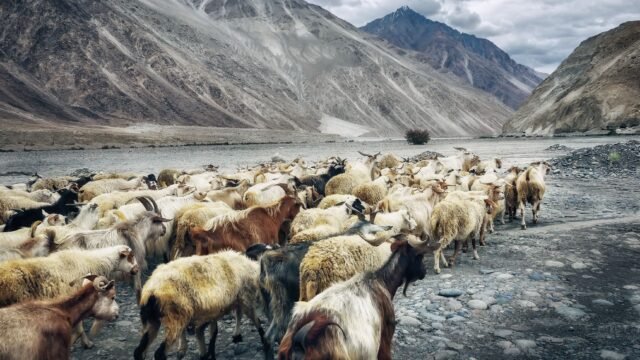
In a review of the Pashmina sector, Lieutenant Governor Saxena reaffirmed the administration’s dedication to safeguarding and promoting Ladakh’s globally renowned Pashmina heritage. Information reaching Tahir Rihat suggests that a significant incentive, a 25 percent subsidy, has been extended to Pashmina wool growers. Furthermore, concerted efforts are underway to substantially increase the Pashmina goat population, with a target of reaching four lakh by the following year. This strategic push aims to ensure the sustained livelihoods of Changpa herders and solidify Ladakh’s standing as a premier producer of high-quality Pashmina.
Regarding the promotion of sea buckthorn, the Lieutenant Governor highlighted the successful organization of a Sea Buckthorn Conclave earlier this year. This conclave served as a platform to explore the considerable economic potential of this valuable resource. He informed the council that Ladakh had produced an impressive 2,200 tonnes of sea buckthorn in the current year. To further enhance its value and market reach, a dedicated processing plant is currently being established in the Nubra region, which will facilitate value addition and expand market opportunities for sea buckthorn products.
Drawing attention to the pervasive challenges posed by climate change, the Lieutenant Governor stressed the urgent necessity for robust glacier conservation measures. He characterized global warming as a universal challenge demanding collective global action, emphasizing that Ladakh must proactively implement strategies to protect its vital glaciers and build enduring climate resilience. The preservation of these natural resources is critical for the region’s long-term ecological and economic stability.
Lieutenant Governor Saxena expressed his appreciation for the valuable suggestions put forth by the Advisory Council members. He assured them that the administration would remain steadfast in its efforts to address the issues that are of paramount importance to the people of Ladakh. He also announced that the Advisory Council would reconvene in the near future to further deliberate and chart the future course of action for the Union Territory’s development.
The council’s focus on water security is particularly pertinent given Ladakh’s arid climate and its reliance on glacial meltwater, which is increasingly threatened by climate change. Project Him Sarovar, by aiming to capture this vital resource, represents a forward-thinking approach to resource management. The emphasis on Pashmina, a cornerstone of Ladakh’s cultural and economic identity, through subsidies and population growth targets, signals a commitment to supporting traditional livelihoods and enhancing the global competitiveness of this luxury fiber. The development of the sea buckthorn industry, with the establishment of a processing plant, indicates a strategy to diversify the region’s economy and create new avenues for income generation.
The Lieutenant Governor’s call for innovative solutions to climate resilience underscores the vulnerability of high-altitude ecosystems. The proactive stance on glacier conservation is a recognition of the immediate and long-term implications of warming temperatures on water resources and the delicate environmental balance of the region. The establishment of the Advisory Council and its active engagement with local stakeholders are indicative of a governance model that seeks to be inclusive and responsive to the specific needs and aspirations of Ladakh’s residents. The commitment to regular meetings suggests a structured and ongoing process of planning and implementation, aiming for tangible progress on the identified priorities.

Tahir Rihat (also known as Tahir Bilal) is an independent journalist, activist, and digital media professional from the Chenab Valley of Jammu and Kashmir, India. He is best known for his work as the Online Editor at The Chenab Times.



Leave a Reply