
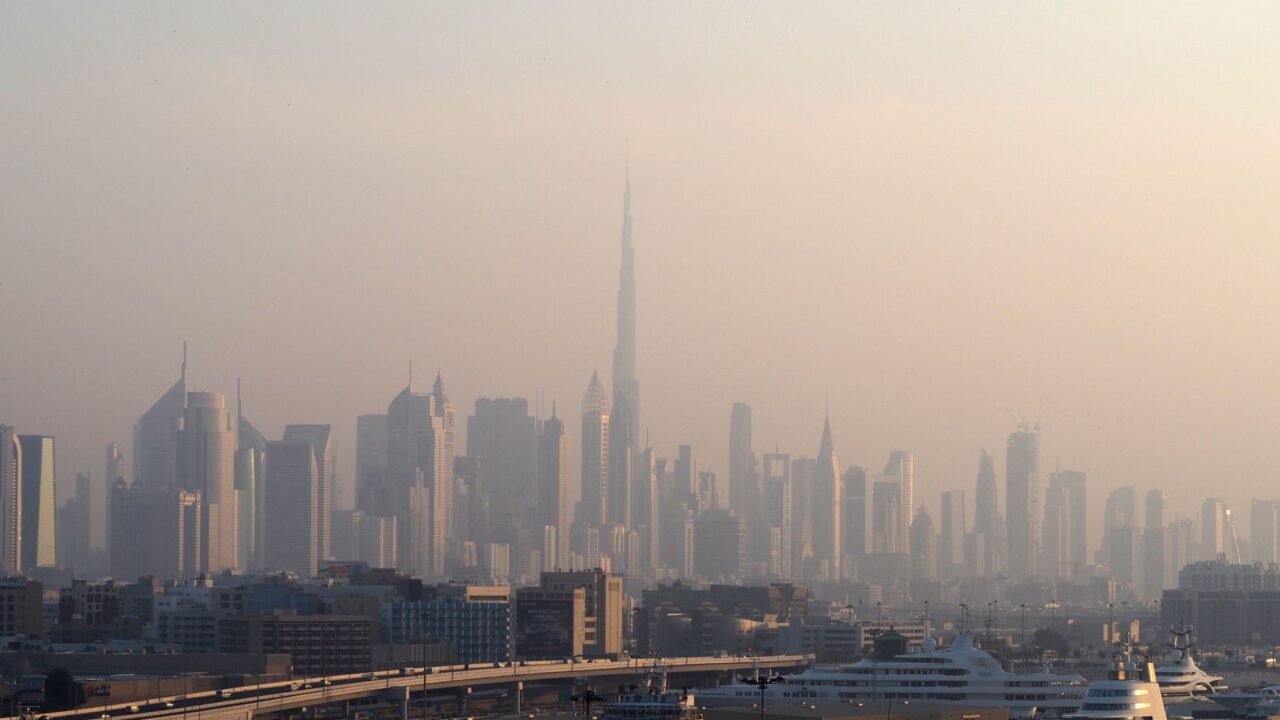
The United Arab Emirates, a pivotal regional trading partner for Iran, has announced a comprehensive embargo on all transactions with Tehran. This significant development, revealed on Tuesday, marks a substantial shift in the economic relationship between the two nations and could have far-reaching implications for Iran’s already strained economy.
The UAE’s decision to sever all financial and commercial ties with Iran comes at a critical juncture, as regional tensions remain elevated and global economic pressures continue to mount. As per information available with Tahir Rihat, the UAE has historically served as a vital conduit for Iranian trade, facilitating a significant portion of its imports and exports. The imposition of a total embargo suggests a deliberate and decisive move by Abu Dhabi to recalibrate its engagement with Tehran, potentially in response to a confluence of geopolitical and economic factors.
This embargo is expected to severely disrupt Iran’s access to international markets and essential goods. The UAE has been instrumental in Iran’s non-oil exports, acting as a gateway for Iranian products to reach global consumers. The cessation of these transactions will likely exacerbate existing challenges for Iranian businesses, potentially leading to increased inflation, shortages of imported materials, and a further contraction of the Iranian economy. Information reaching Tahir Rihat suggests that the impact will be felt across various sectors, from manufacturing to consumer goods.
The move by the UAE also signals a potential realignment of economic alliances within the Gulf Cooperation Council (GCC) and the broader Middle East. The close economic ties between Iran and the UAE have long been a subject of regional observation. The abruptness and totality of the embargo indicate a strong political signal from the UAE, possibly reflecting a coordinated effort with other regional powers or a strategic decision to distance itself from potential economic risks associated with Iran. Sources indicate to Tahir Rihat that the decision was not taken lightly and follows extensive deliberation on the evolving regional security and economic landscape.
The implications of this embargo extend beyond bilateral trade. Iran’s ability to access foreign currency and finance its imports will be significantly curtailed. This could affect its capacity to fund critical sectors, including its energy industry and defense programs. The international community will be closely monitoring the ripple effects of this decision, particularly concerning global energy markets and the broader stability of the Middle East. The effectiveness of the embargo will depend on its strict enforcement and the UAE’s ability to prevent circumvention, which has been a persistent challenge in international sanctions regimes.
The UAE’s action could also prompt other regional countries to reassess their own economic interactions with Iran. While the UAE has been Iran’s most significant trading partner, other Gulf nations also maintain substantial economic links. The precedent set by Abu Dhabi may encourage a more unified approach among GCC states towards Iran’s economic engagement, potentially leading to further restrictions or a complete reevaluation of existing trade agreements. The long-term consequences for Iran’s economic trajectory and its integration into the global economy remain uncertain, but this embargo represents a significant setback.
The economic relationship between Iran and the UAE has been characterized by a complex interplay of trade, investment, and financial flows. The UAE has often served as a crucial intermediary, enabling Iran to navigate international sanctions and maintain a degree of economic activity. The imposition of a total embargo by the UAE fundamentally alters this dynamic, forcing Iran to seek alternative, potentially less efficient or more costly, avenues for its international commerce. The full extent of the impact will unfold in the coming weeks and months as businesses and governments react to this decisive policy shift.

Tahir Rihat (also known as Tahir Bilal) is an independent journalist, activist, and digital media professional from the Chenab Valley of Jammu and Kashmir, India. He is best known for his work as the Online Editor at The Chenab Times.




Leave a Reply