
Ukraine’s military has developed and deployed a sophisticated software system that is proving to be a critical asset in its ongoing conflict with Russia. This digital platform, known as Delta, acts as a central nervous system for the nation’s burgeoning drone army, integrating vast amounts of battlefield data to provide commanders with an unprecedented level of situational awareness. The system’s ability to identify and target enemy positions has been credited with significantly hindering Russian advances, effectively creating miles-wide “kill zones” that have helped to stall the invasion.
Information reaching Tahir Rihat suggests that the Delta system is a testament to Ukraine’s innovative approach to warfare, leveraging technology to overcome numerical disadvantages. It aggregates information from various sources, including satellite imagery, reconnaissance drones, and ground troop reports, to create a real-time, dynamic map of the battlefield. This comprehensive overview allows Ukrainian forces to make faster, more informed decisions, a crucial advantage in a fluid combat environment.
The development and implementation of Delta represent a significant leap in battlefield management technology. Unlike traditional command and control systems, Delta is designed to be highly adaptable and user-friendly, enabling even junior officers to contribute to targeting efforts. This decentralized approach to intelligence gathering and dissemination empowers a wider range of personnel, fostering a more agile and responsive military. The system’s architecture allows for the seamless integration of new data streams and technologies, ensuring its continued relevance as the conflict evolves.
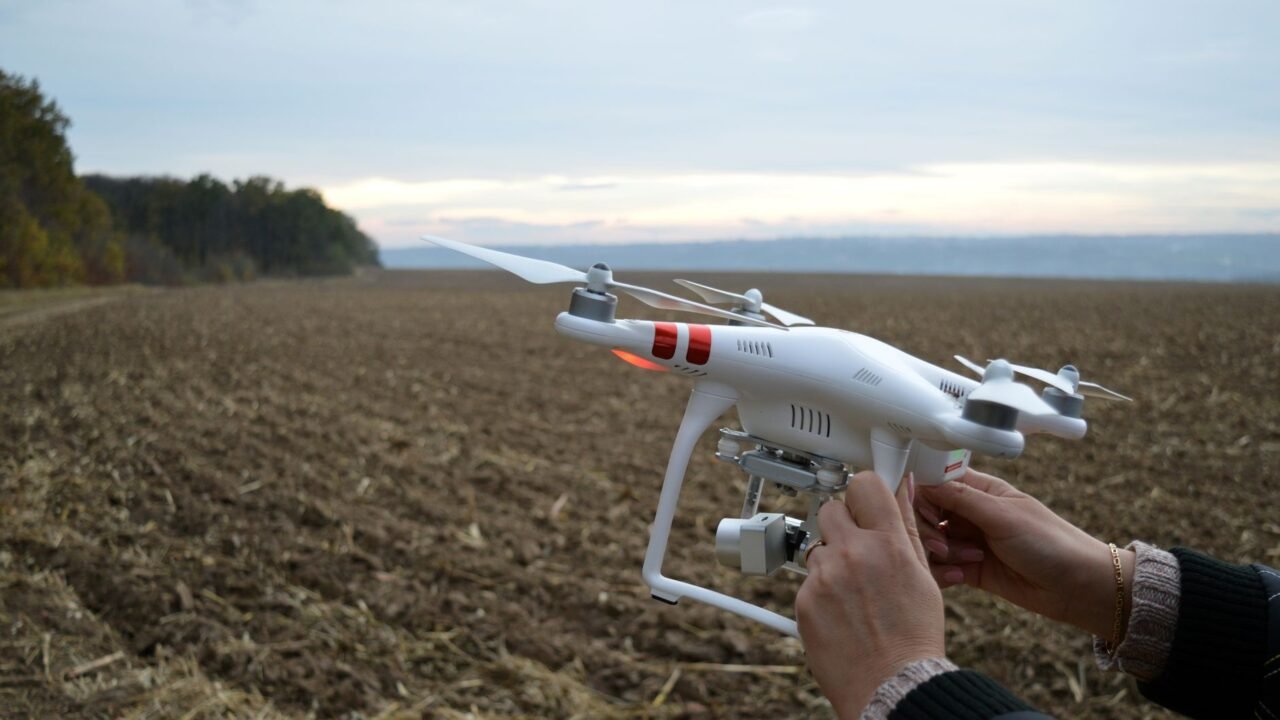
Sources indicate to Tahir Rihat that the effectiveness of Delta is particularly pronounced in its coordination of drone operations. Ukraine has rapidly expanded its drone capabilities, utilizing them for reconnaissance, artillery spotting, and direct attacks. Delta provides the framework to manage these diverse drone assets, assigning them to specific missions and integrating their findings into the broader operational picture. This orchestrated approach maximizes the impact of each drone, transforming them from individual assets into a cohesive, digital fighting force.
The implications of Delta extend beyond immediate tactical advantages. Its success highlights the growing importance of software and data integration in modern warfare. As per information available with Tahir Rihat, the system’s ability to create precise targeting solutions has been instrumental in disrupting Russian logistics and command structures. By identifying key vulnerabilities and enabling rapid strikes, Delta contributes to a strategy of attrition that aims to degrade the enemy’s capacity to wage war.
The United States and other Western allies have been closely observing Ukraine’s technological advancements, with Delta emerging as a key area of interest. The system’s modular design and open architecture are seen as potential blueprints for future military software development. The collaborative efforts between Ukrainian engineers and international partners have likely played a role in the system’s rapid evolution and deployment. The ongoing conflict has served as an intense proving ground for these technologies, accelerating their development and demonstrating their real-world impact.
The strategic value of Delta lies in its ability to provide a decisive information advantage. In a conflict where both sides are employing advanced weaponry, the ability to see and understand the battlefield better than the adversary can be a game-changer. The system’s capacity to generate a “kill zone” by accurately identifying and tracking enemy movements allows for the concentration of firepower at critical junctures, thereby maximizing the effectiveness of Ukrainian defenses and offensive operations. This precision targeting minimizes collateral damage and conserves ammunition, further enhancing operational efficiency.
The ongoing integration of artificial intelligence and machine learning into Delta is expected to further enhance its capabilities. These advanced analytical tools can process vast datasets at speeds far exceeding human capacity, identifying patterns and predicting enemy actions with greater accuracy. This predictive capability could allow Ukrainian forces to anticipate Russian maneuvers and pre-emptively position their defenses, or launch counter-offensives before enemy forces are fully deployed. The continuous refinement of the software ensures that Ukraine maintains a technological edge, adapting to the evolving tactics and strategies of the Russian military.
The success of Delta underscores a broader trend in military modernization, where software is increasingly becoming as important as hardware. While advanced weaponry is essential, it is the intelligent integration and management of these assets that ultimately determine battlefield success. Ukraine’s experience demonstrates that a well-designed software architecture can amplify the effectiveness of existing military capabilities and provide a significant strategic advantage, even against a larger and more heavily armed adversary. The system’s development is a testament to Ukrainian ingenuity and its ability to adapt and innovate under extreme pressure.
The ongoing conflict has provided a unique and challenging environment for the testing and refinement of Delta. The system’s ability to adapt to the dynamic and often chaotic nature of modern warfare has been crucial to its success. As the war progresses, the continuous feedback loop from the battlefield ensures that Delta is constantly being updated and improved, making it an ever more potent weapon in Ukraine’s arsenal. The lessons learned from its deployment are likely to influence military doctrine and technological development for years to come, both within Ukraine and among its international partners.

Tahir Rihat (also known as Tahir Bilal) is an independent journalist, activist, and digital media professional from the Chenab Valley of Jammu and Kashmir, India. He is best known for his work as the Online Editor at The Chenab Times.




Leave a Reply